Does Insulation Improve Indoor Air Quality? Here’s What You Should Know

February 3, 2026

Does Insulation Improve Indoor Air Quality? Here’s What You Should Know

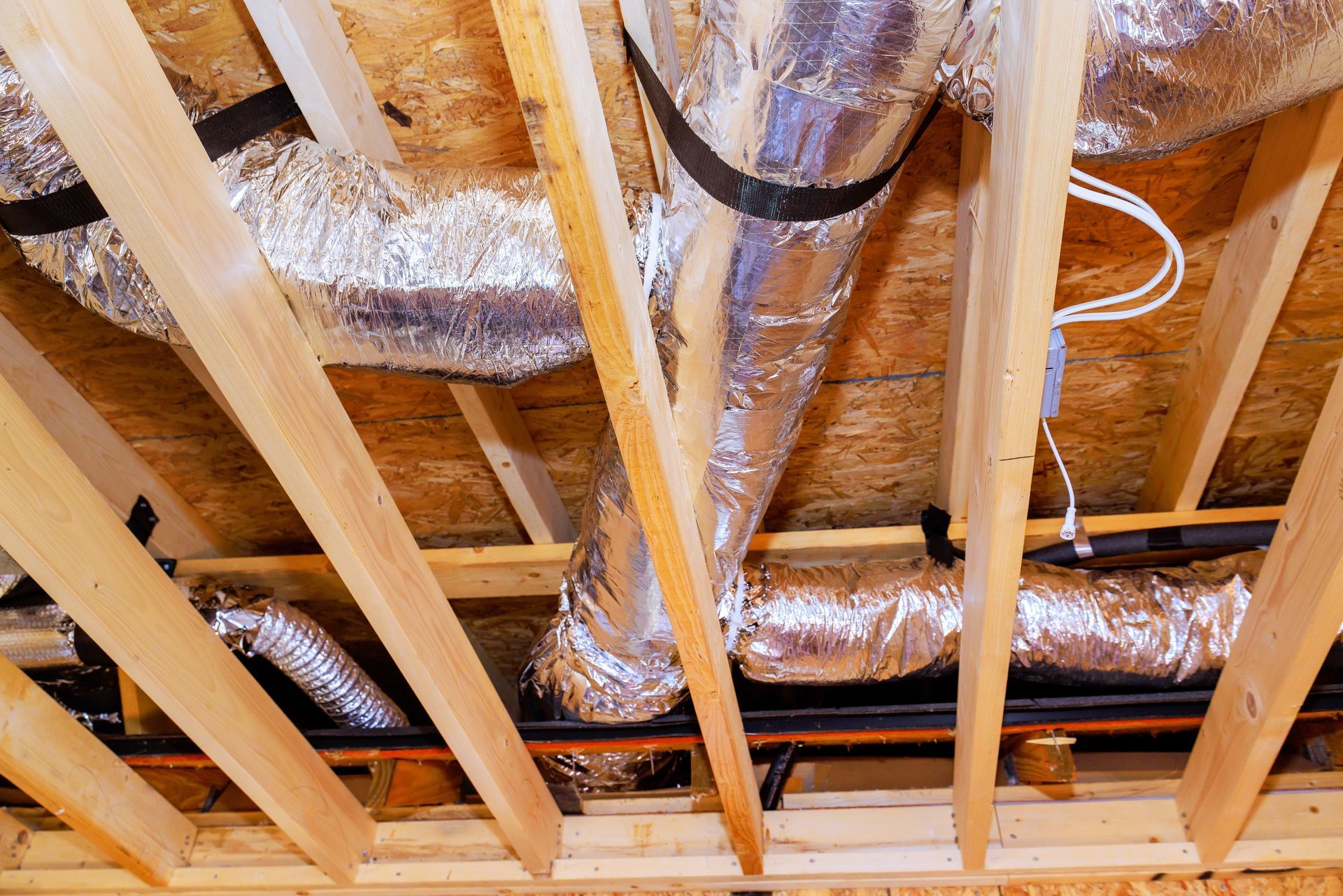
View of HVAC ductwork and electrical wiring in an unfinished attic space, showing wooden beams and silver ducting.

Introduction

Indoor air quality is one of the most overlooked aspects of a healthy home. Many Colorado homeowners focus on HVAC systems or air purifiers but forget a crucial element — insulation. The type and condition of your insulation play a major role in the amount of air, dust, moisture, and pollutants circulating indoors.


When installed properly, insulation does more than keep your home warm in winter and cool in summer. It helps create a cleaner, healthier indoor environment by sealing out pollutants, stabilizing humidity, and reducing the spread of airborne particles. Let’s explore how the right insulation can improve air quality and comfort in your home.


Why Indoor Air Quality Matters

According to the U.S. Environmental Protection Agency (EPA), Americans spend about 90% of their time indoors, where pollutant levels can be two to five times higher than outdoors. Poor indoor air quality can lead to respiratory irritation, allergies, and other long-term health concerns.


In Colorado’s dry, high-altitude climate, controlling air movement and moisture is essential. Air leaks and poor insulation allow outdoor air — along with dust, pollen, and exhaust pollutants — to infiltrate living spaces. Proper insulation, especially spray foam, helps stop that infiltration and supports better indoor air quality year-round.


How Insulation Affects Indoor Air Quality

Insulation influences air quality in several key ways:

1. Reduces Air Leaks and Outdoor Pollutants

Every tiny gap or crack in a home’s structure allows outdoor air to enter. Along with that air comes dust, pollen, and vehicle exhaust from outside. Traditional insulation materials like fiberglass or cellulose can slow heat transfer but don’t stop airflow.


Spray foam insulation, on the other hand, acts as both an insulator and an air barrier. It seals leaks around walls, attics, and crawl spaces, preventing contaminated outdoor air from entering and ensuring your HVAC system circulates only clean, filtered air.


2. Controls Moisture and Mold Growth

Moisture is one of the biggest threats to air quality. When humid air seeps into walls or attics and condenses, it can promote mold and mildew growth. Spores from these microorganisms can circulate through ductwork and aggravate allergies or asthma.


Closed-cell spray foam insulation prevents moisture intrusion by forming a vapor-resistant seal. Fiberglass and cellulose can absorb moisture and lose effectiveness, while spray foam maintains its insulating and protective properties over time.


3. Prevents Dust and Insulation Fiber Contamination

Older fiberglass insulation can break down and release fine fibers into the air, particularly if disturbed by pests or air movement. These particles can irritate lungs and skin. Newer insulation materials like spray foam remain stable and inert, keeping particulates out of your air.


Additionally, by sealing gaps in attics and crawl spaces, spray foam prevents dust, dirt, and pest debris from entering living areas.


4. Improves HVAC Efficiency

Leaky homes force HVAC systems to pull in unfiltered air to replace what’s escaping, increasing dust and humidity inside. A properly insulated and air-sealed home allows your HVAC to operate more efficiently, maintaining balanced airflow and reducing contaminant circulation.


Comparing Insulation Materials for Air Quality

Material Air Sealing Moisture Control Mold Resistance Dust Prevention Overall Impact on Air Quality
Spray Foam (Closed-Cell) Excellent Excellent Excellent Excellent Outstanding
Spray Foam (Open-Cell) Excellent Good Good Excellent Very Good
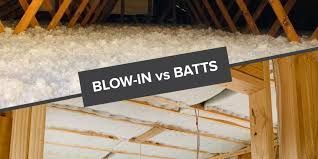
Fiberglass Batts Poor Fair Fair Moderate Average
Blown-In Cellulose Fair Moderate Moderate Moderate Good

Spray foam’s ability to act as both insulation and an air barrier makes it particularly beneficial for Colorado’s dry, windy environment. It reduces infiltration, stabilizes humidity, and helps maintain clean indoor air.


Areas Where Insulation Has the Greatest Impact

1. Attics

Uninsulated or poorly insulated attics allow airborne dust and attic air to circulate into your home. Spray foam applied to the roof deck seals this space completely, keeping pollutants out.


2. Crawl Spaces and Basements

These areas often harbor moisture and mold. Closed-cell spray foam prevents air and moisture movement, eliminating musty odors and spores.


3. Exterior Walls

Upgrading wall insulation reduces the flow of unfiltered outdoor air and helps maintain consistent indoor humidity levels.


4. Ductwork and Mechanical Areas

Insulating around ducts helps minimize condensation and keeps contaminants from entering the ventilation system.


The Role of Ventilation

While insulation reduces unwanted air infiltration, proper ventilation ensures your home still receives adequate fresh air. Modern homes combine airtight insulation with controlled ventilation systems, such as heat recovery ventilators (HRVs) or energy recovery ventilators (ERVs).


When air sealing and ventilation are balanced correctly, you achieve maximum comfort, lower energy bills, and superior air quality.


Common Sources of Poor Indoor Air in Colorado Homes

Even in relatively new homes, several factors can degrade air quality:

  • Gaps and leaks in attics, crawl spaces, or around recessed lighting

  • Moisture from basements or unsealed rim joists

  • Dust and debris in wall cavities

  • Off-gassing from old insulation or building materials

  • Outdoor pollen and wildfire smoke infiltration

Proper insulation minimizes the pathways through which these pollutants enter and stabilizes the home’s microclimate for cleaner, healthier air.


Frequently Asked Questions

1. Does spray foam insulation emit odors or chemicals after installation?
Once fully cured, spray foam is inert and odor-free. Professional installation ensures proper curing and ventilation during the process.


2. Can insulation help reduce allergy symptoms?
Yes. Air sealing and insulation reduce pollen, dust, and other airborne allergens entering from outdoors.


3. What if my existing insulation is old or moldy?
It’s best to remove degraded or contaminated insulation before installing new material. Mold remediation may be necessary to restore air quality.


4. Will adding insulation eliminate drafts?
In most cases, yes. Spray foam insulation creates a continuous seal that stops air movement through walls and ceilings.


5. Does insulation replacement improve HVAC performance?
Absolutely. By reducing air leaks, your HVAC system maintains temperature more efficiently and distributes clean air more evenly.


Professional Insulation Services in Northern Colorado

Improving indoor air quality starts with sealing your home’s envelope. Sprayfoam Solutions LLC provides professional insulation installation for homes across Fort Collins, Greeley, Loveland, Windsor, and surrounding Colorado communities.

Whether you need spray foam, blow-in, or fiberglass insulation, our team ensures your home is properly sealed and insulated for maximum comfort, efficiency, and air quality.

To schedule an on-site consultation or learn more about improving air quality through insulation upgrades, visit https://sprayfoamsolutionsllc.com/ or call (970) 740-7780.


Recent Posts

Person sprays green foam insulation in a wood-framed ceiling.
February 18, 2026
Learn why now is the best time to insulate your home before winter. Reduce drafts, lower energy bills, and stay warm with Sprayfoam Solutions LLC.
Person spraying green insulation foam into a wooden ceiling.
January 19, 2026
Discover how spray foam insulation seals air leaks better than traditional insulation, improving comfort, energy efficiency, and savings with Sprayfoam Solutions LLC
Man installing insulation in a sloped attic, near a skylight.
January 2, 2026
Learn about Colorado energy rebates and federal tax credits for insulation upgrades. Maximize savings with Sprayfoam Solutions LLC.
Person spraying insulation into a wooden frame. Light green foam fills the space.
December 17, 2025
Learn how blow-in insulation works and when to use it. Improve comfort and efficiency in Colorado homes with Sprayfoam Solutions LLC.
Person in protective suit spraying insulation in an attic.
December 2, 2025
Learn how proper attic insulation helps Fort Collins homeowners reduce energy bills and improve comfort. Trusted insulation experts in Northern Colorado.
Person in protective suit spraying insulation in attic.
November 17, 2025
Compare spray foam vs fiberglass insulation for Colorado homes. Learn which offers better comfort, efficiency, and savings from Sprayfoam Solutions LLC.