
Filling Irregular Cavities and Obstructed Spaces
Blow-In Insulation in Toponas for Attic Retrofits and Dense-Pack Wall Applications With Settling Resistance
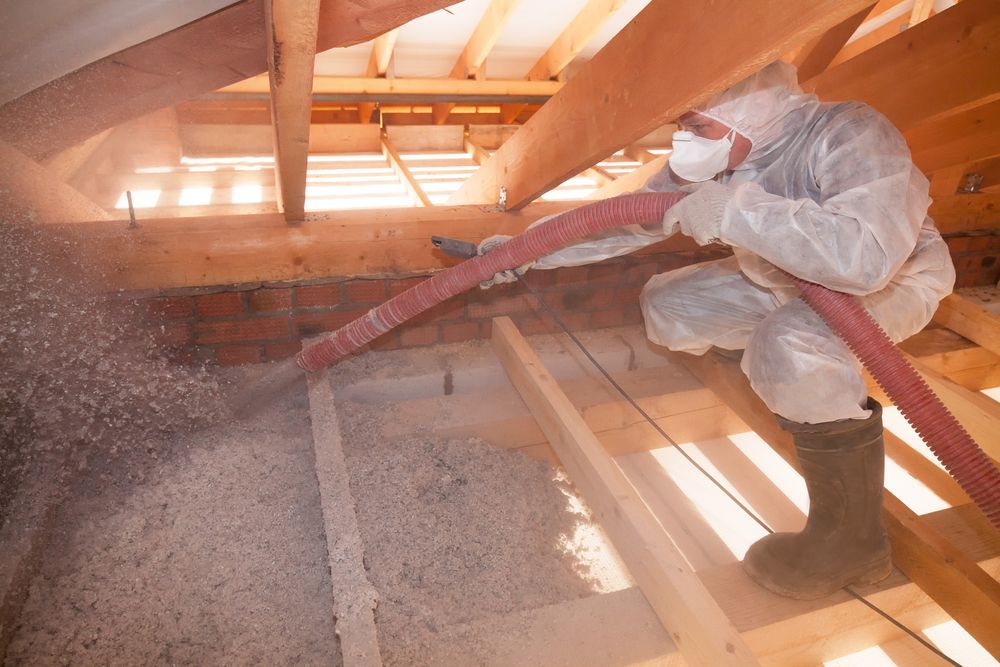
Attic floors with irregular joist spacing, roof penetrations, and obstructed corners prevent fiberglass batts from achieving continuous coverage, leaving gaps where heat escapes into unconditioned spaces. Blow-in insulation—either cellulose or fiberglass—fills these irregular cavities by pneumatic application, settling around wiring, plumbing, and roof trusses to create uniform coverage across attic surfaces. Sprayfoam Solutions LLC provides blow-in insulation for attic retrofits and dense-pack wall cavity applications in Steamboat Springs, Vail Valley, and Routt National Forest adjacent properties, targeting homes where existing insulation has settled or was never installed to adequate depths.
The application process begins with attic floor preparation—covering recessed lighting fixtures with fire-rated barriers, installing attic rulers to mark target depths, and verifying ventilation pathways remain clear at eaves and ridge vents. Equipment setup includes calibrating blower pressure to achieve specified density, with cellulose applications targeting 1.5 to 2.5 pounds per cubic foot in attics and higher densities for dense-pack wall installations. Material selection follows R-value targets and moisture exposure, with cellulose offering superior settling resistance in freeze-thaw cycles common to high-altitude locations.
Arrange an attic inspection to measure existing insulation depth and calculate additional material needed to reach target R-values for heating season efficiency.
How Blow-In Material Achieves Uniform Coverage
Blown insulation flows around obstructions and fills gaps that batt materials cannot reach, creating continuous coverage across attic floors without compression or voids. Cellulose fibers interlock as they settle, resisting movement caused by air currents or seasonal temperature changes. Application technique controls material distribution—overlapping spray patterns ensure even depth across joist bays, and settling-rate monitoring confirms final installed density meets specifications before equipment is removed.
After installation, you see uniform insulation coverage across the entire attic floor, with no visible gaps at eaves, around chimneys, or near roof penetrations where heat previously escaped. Heating systems run fewer cycles to maintain set temperatures because thermal bridging through exposed joists is eliminated. Blow-in insulation retains R-value through seasonal temperature extremes typical of mountain climates, maintaining performance without the compression or sagging that reduces fiberglass batt effectiveness over time.
The installation does not address air leakage from living spaces into attics—gaps around plumbing stacks, recessed lights, and attic access hatches require separate sealing to prevent convective heat loss. Dense-pack wall applications add insulation to existing cavities but do not provide vapor barriers, so moisture control strategies remain necessary in wall assemblies exposed to cold exterior temperatures.
Common Questions About This Service
Homeowners evaluating blow-in insulation for attic upgrades or wall retrofits often ask about material options and performance in mountain conditions.
What depth of blown insulation is needed in Toponas attics?
Most mountain homes benefit from 12 to 16 inches of cellulose or fiberglass to achieve R-38 to R-49, with final depth depending on material type and target R-value for heating season efficiency.
How does cellulose compare to fiberglass for blow-in applications?
Cellulose offers higher density and better settling resistance in freeze-thaw cycles, while fiberglass costs less per R-value but may settle more over time, reducing attic insulation depth and thermal performance.
When should dense-pack blow-in be used in wall cavities?
Dense-pack applications suit retrofit projects where walls are opened during renovations, allowing insulation to fill cavities without removing exterior siding or interior drywall.
What preparation happens before attic blow-in installation?
Recessed lighting fixtures are covered with fire-rated barriers, roof leaks are repaired to prevent moisture damage, and soffit vents are checked to ensure insulation does not block airflow needed for roof assembly moisture control.
How does settling affect blow-in insulation performance over time?
Cellulose and fiberglass formulations used in mountain climates resist settling through temperature cycling, but attic inspections every few years confirm insulation depth remains adequate and no additional material is needed.
Sprayfoam Solutions LLC measures existing attic insulation, calculates material quantities needed to reach target R-values, and provides ventilation assessments to confirm blow-in installation will not compromise roof moisture management. Schedule an attic evaluation to determine whether blow-in insulation addresses your energy loss concerns and compares favorably to batt or spray foam options.