
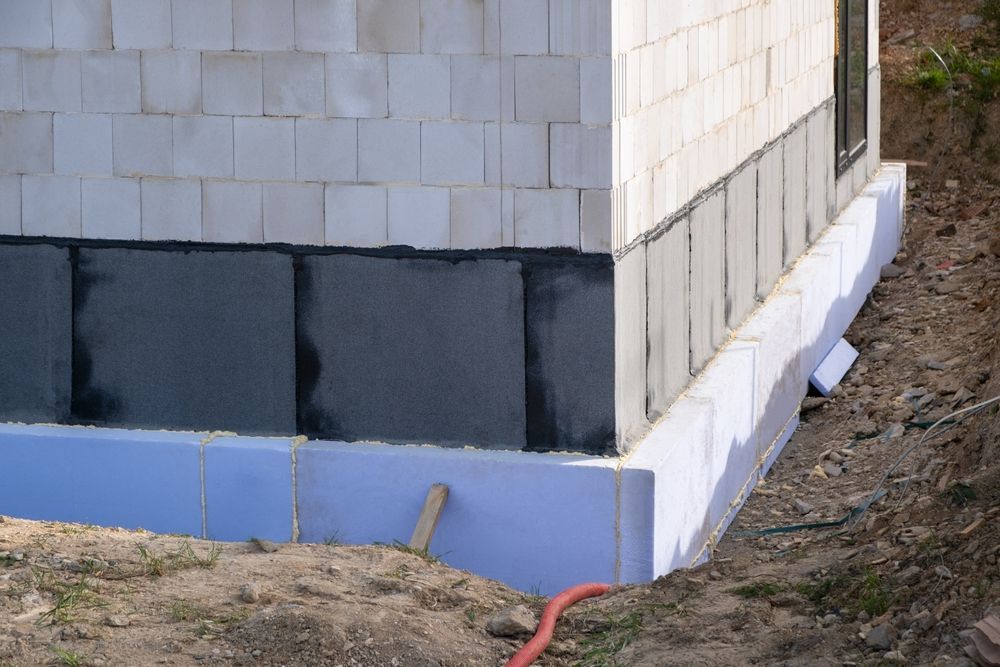
Protect Foundation Walls From Temperature Extremes
Foundation insulation in Toponas for homes exposed to freeze-thaw cycles and seasonal temperature swings
Foundation thermal bridges allow outdoor temperatures to penetrate directly into conditioned spaces, creating cold spots and driving up heating costs throughout winter months. Homes in Toponas experience these problems when foundation perimeters and rim joists remain uninsulated against Colorado mountain climate conditions. Sprayfoam Solutions LLC applies closed-cell spray foam to foundation rim joists and band boards, sealing gaps that expose structural components to freeze-thaw damage while eliminating air infiltration that undermines heating efficiency.
The insulation process focuses on the rim joist area where the foundation meets the floor system, a critical junction where air leaks and thermal loss occur simultaneously. Closed-cell foam bonds to concrete and wood surfaces, forming a continuous air barrier that stops drafts and prevents moisture infiltration. Properties located in high-country subdivisions and along the US-40 corridor benefit from this approach because it addresses the specific durability requirements needed for seasonal temperature extremes.
Arrange an on-site consultation to review foundation perimeter conditions and identify specific thermal bridge locations.
What Proper Foundation Insulation Requires
Foundation insulation begins with surface preparation to remove debris and ensure proper foam adhesion to concrete and wood band boards. The closed-cell spray foam is applied in controlled layers to the foundation rim, expanding into cracks and gaps that create air pathways between interior and exterior environments. This method seals the entire perimeter rather than leaving vulnerable sections exposed at corners and utility penetrations.
Once the foam cures, the foundation perimeter no longer transmits cold directly into the home, which you notice as warmer floors and reduced drafts near exterior walls. The sealed rim joist stops the stack effect that pulls warm air downward and out through foundation gaps, a problem that intensifies in homes at mountain elevations where indoor-outdoor temperature differentials reach extreme levels during winter.
Winterization-grade insulation also protects foundation components from freeze-thaw damage by maintaining more stable temperatures at the rim joist interface. This prevents the expansion and contraction cycles that degrade sealants and cause wood rot in band boards over time.
Answers to Frequent Service Questions
Property owners in Routt County mountain elevation areas typically have specific concerns about foundation insulation before committing to the work.
Why does foundation insulation matter in Toponas specifically?
Mountain climate conditions create significant temperature differentials between indoor and outdoor environments, making uninsulated foundation perimeters a major source of heat loss and structural vulnerability to freeze-thaw cycles.
What part of the foundation gets insulated?
Closed-cell spray foam is applied to the rim joist and band board where the foundation wall meets the floor system, sealing the junction from the sill plate to the top of the concrete.
How does foam insulation stop air infiltration?
The foam expands into gaps and cracks as it cures, creating a monolithic barrier that blocks air movement and moisture penetration at joints, corners, and utility penetrations.
When is the best time to insulate foundation walls?
Installation can occur year-round, but completing the work before winter ensures immediate heating savings during the months when foundation thermal bridges cause the most energy waste.
What results should I expect after installation?
You will notice warmer floors near exterior walls, fewer drafts along baseboards, and reduced furnace runtime because conditioned air no longer escapes through the foundation perimeter.
Sprayfoam Solutions LLC handles foundation insulation projects across high-country communities with materials and methods engineered for durability against seasonal temperature extremes. Contact us at (970) 740-7780 to discuss your foundation's specific thermal bridge concerns.