
Moisture Barriers That Withstand Freeze-Thaw Cycles
Closed Cell Spray Foam in Toponas for Rim Joist and Foundation Protection Against Mountain Humidity
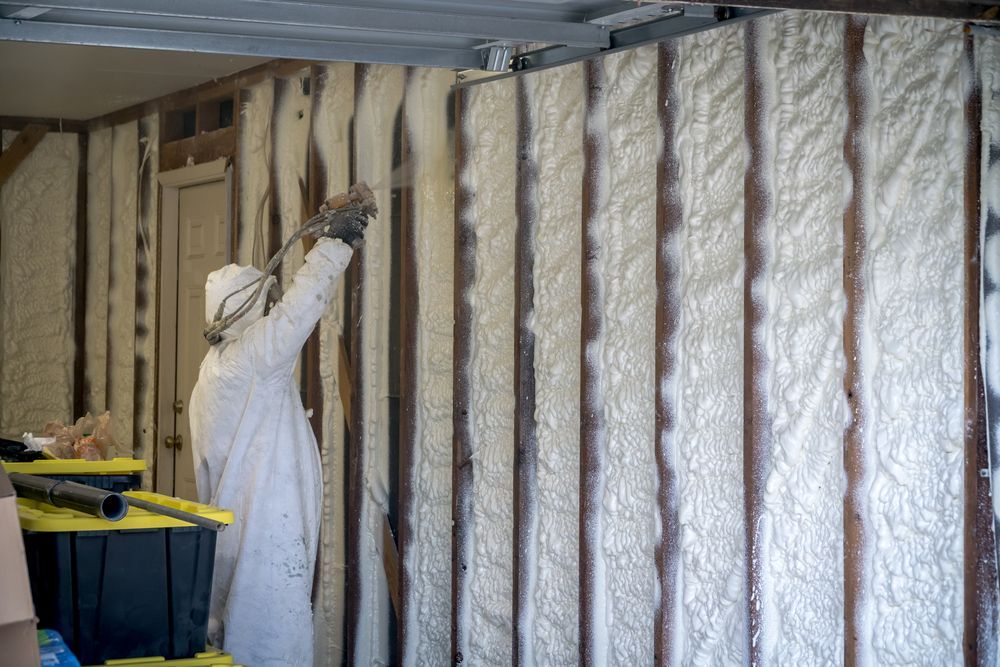
Crawl spaces and rim joists in mountain homes face repeated freeze-thaw cycles that drive moisture into unprotected wood framing, causing rot and mold growth. Closed-cell spray foam creates a continuous vapor barrier that blocks water vapor migration while adding structural reinforcement to framing members. Sprayfoam Solutions LLC installs closed-cell foam across Routt National Forest service areas and high-country subdivisions, targeting basements, crawl spaces, and foundation walls where moisture exclusion determines long-term durability.
The foam cures at densities between 1.5 and 2.0 pounds per cubic foot, filling gaps in sill plates and band joists where air infiltration accounts for significant heat loss. Material selection prioritizes freeze-thaw durability—closed-cell formulations maintain R-value and adhesion even when temperatures swing from subzero nights to warming afternoons, a pattern common throughout Steamboat Springs and Vail Valley properties during shoulder seasons.
Arrange a foundation inspection to assess moisture intrusion patterns and determine coverage areas for closed-cell application.
Why Closed-Cell Density Works for Structural Support
Closed-cell foam bonds to framing and masonry with enough rigidity to add racking resistance, reducing lateral movement in walls subjected to wind loads. The higher density prevents water vapor from passing through, which matters in crawl spaces and basements where soil moisture drives humidity upward into floor cavities. During application, spray equipment meters components at ratios calibrated for altitude, ensuring proper cell structure forms despite lower atmospheric pressure at mountain elevations.
After curing, you see no condensation on rim joists during heating season, no musty odors from crawl spaces, and no frost accumulation on foundation walls where cold exterior temperatures meet warm interior air. The foam's continuous surface eliminates thermal bridging through wood studs, so infrared scans show uniform temperatures across wall assemblies rather than cold spots at framing members.
Closed-cell foam does not replace exterior waterproofing membranes or drainage systems—it functions as an interior air and vapor barrier. Fire-rated coatings or drywall barriers are required per building codes when foam is left exposed in habitable spaces, and installations must preserve clearances around electrical junction boxes and mechanical equipment.
Questions Before Starting Your Project
Property owners preparing for closed-cell foam installation often need clarity on application methods and performance expectations specific to Colorado mountain conditions.
What makes closed-cell foam suitable for crawl spaces?
The foam's vapor impermeability blocks ground moisture from entering floor cavities, preventing wood rot and mold growth in spaces where soil humidity remains constant despite exterior temperature changes.
How much R-value does closed-cell foam deliver per inch?
Closed-cell foam provides approximately R-6 to R-7 per inch, allowing rim joists and foundation walls to reach target R-values with thinner applications than open-cell or fiberglass alternatives.
When should closed-cell foam be applied to foundation walls in Toponas?
Installations happen after waterproofing membranes are inspected and confirmed effective, but before interior framing or finishing work begins, to ensure foam bonds directly to masonry or concrete surfaces.
What structural benefit does closed-cell foam add?
The cured foam increases wall rigidity and racking resistance, though it does not replace engineered structural elements—it supplements existing framing by reducing lateral deflection under wind or seismic loads.
How does freeze-thaw cycling affect closed-cell foam performance?
Material formulations tested for Colorado mountain climates maintain cell structure and adhesion through repeated expansion and contraction cycles, preventing delamination that compromises thermal performance over time.
Sprayfoam Solutions LLC evaluates substrate moisture levels and identifies drainage issues before foam application to prevent trapped water behind vapor barriers. Schedule a crawl space or basement assessment to determine whether closed-cell foam addresses your moisture control and insulation priorities.