
Heating Season Energy Loss Stops Here
Air sealing and weatherization in Toponas for mountain homes losing conditioned air through freeze-thaw cracks
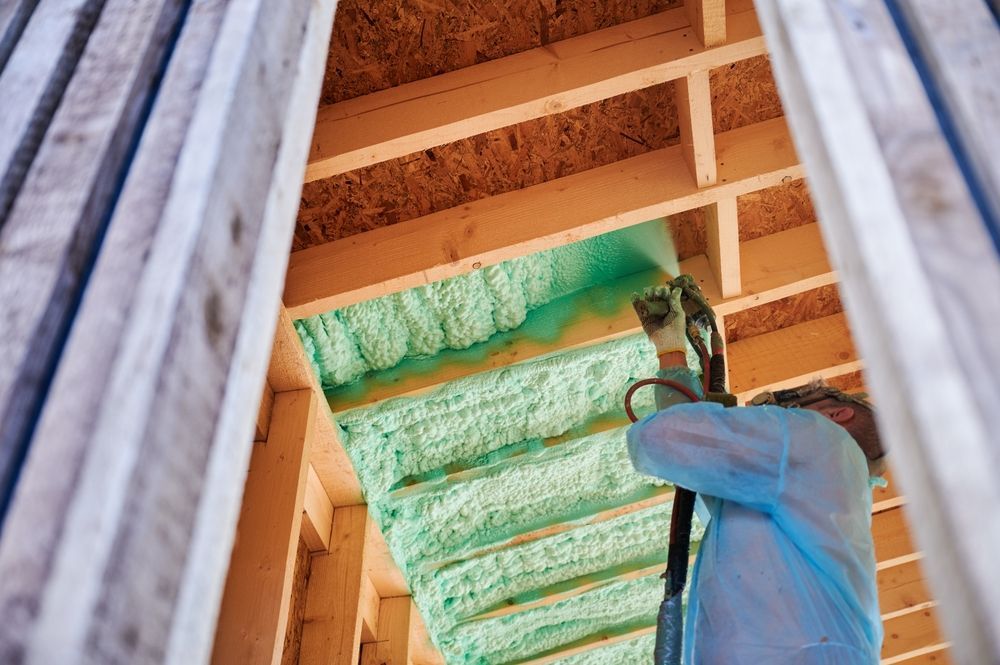
Air leakage through freeze-thaw cracks and seasonal temperature swing gaps is the primary energy loss driver in Colorado mountain climate, more significant than conductive heat transfer through insulated walls in many cases. You feel this as persistent drafts near baseboards, cold air infiltration around electrical outlets, and heating systems that cycle constantly without achieving comfortable indoor temperature. Sprayfoam Solutions LLC performs targeted air sealing on rim joists, foundations, ducts, and penetrations using blower-door diagnostics to identify exactly where conditioned air escapes and outdoor air infiltrates.
The process begins with blower-door testing that quantifies total air leakage and identifies specific paths where air moves through the building envelope, since visual inspection alone misses the hidden gaps that cause the most significant energy loss. Spray foam rim joist sealing stops air movement at the critical junction between foundation and framing, caulk and sealant application closes penetrations around plumbing and electrical entries, duct sealing prevents conditioned air loss within unconditioned spaces, and weatherstripping installation tightens operable windows and doors that have degraded over seasonal use.
Schedule a blower-door diagnostic to identify leakage paths causing your heating efficiency problems.
What You Notice Once Air Sealing Completes
Blower-door pre and post measurement quantifies the reduction in air leakage achieved through sealing work, translating cubic feet per minute of infiltration into energy model impact for the mountain heating season. Energy model impact quantification shows how closing specific leakage paths affects heating load and operating cost, since not all air leaks contribute equally to energy loss depending on their location within the thermal envelope and the pressure differentials that drive airflow through them.
After air sealing completes, drafts near baseboards and around outlets disappear, rooms maintain temperature more consistently throughout the day, and heating system runtime decreases noticeably even during extended cold periods. Indoor humidity levels stabilize because outdoor air infiltration no longer dilutes indoor moisture during winter months, reducing the excessively dry conditions that cause static electricity and respiratory discomfort in inadequately sealed mountain homes.
The air sealing process addresses duct leakage within unconditioned spaces separately from envelope leakage, since ducts that run through attics or crawlspaces lose conditioned air before it reaches living spaces, wasting heating energy even if the building envelope itself is relatively tight. Weatherstripping installation focuses on operable windows and exterior doors where repeated seasonal use degrades seals, though structural air leakage through rim joists and foundation transitions typically accounts for far more energy loss than weatherstripping failures do.
Answers to Frequent Service Questions
Homeowners throughout the Steamboat area and Routt County often ask how air sealing addresses the specific energy loss patterns their properties experience during winter months.
How does blower-door testing identify air leakage paths?
A calibrated fan mounts in an exterior doorway and depressurizes the home while technicians use smoke pencils or infrared cameras to trace airflow at suspected leakage points, revealing gaps that remain invisible during normal conditions.
What areas cause the most air leakage in mountain homes?
Rim joists at the foundation-to-framing junction account for substantial leakage in most homes, followed by penetrations where plumbing and electrical systems enter from unconditioned spaces and gaps around recessed lighting fixtures in insulated ceilings.
When should air sealing be done relative to insulation work?
Air sealing must be completed before or during insulation installation, since insulation alone does not stop air movement and can actually hide leakage paths that become inaccessible once insulation fills cavities.
Why does air sealing matter more in Toponas than in lower-elevation areas?
High-altitude locations experience greater temperature differentials between indoor and outdoor air, which increases the pressure differentials that drive air leakage, and extended heating seasons mean that even small leaks accumulate substantial energy loss over the course of a winter.
What improvement can I expect from professional air sealing?
Blower-door results typically show a thirty to fifty percent reduction in measured air leakage after comprehensive sealing work, translating to fifteen to twenty-five percent heating energy savings depending on the home's initial condition and how much loss was driven by air leakage versus conductive heat transfer.
Sprayfoam Solutions LLC provides blower-door testing and targeted air sealing throughout Craig, Avon, and the I-70 corridor, with detailed measurement documentation that quantifies performance improvement. Request an air leakage assessment to determine which sealing measures will deliver the greatest energy savings for your home.