
Insulation That Survives Mountain Temperature Swings
Spray Foam Insulation Installation in Toponas for Heating Season Energy Loss and Freeze-Thaw Durability
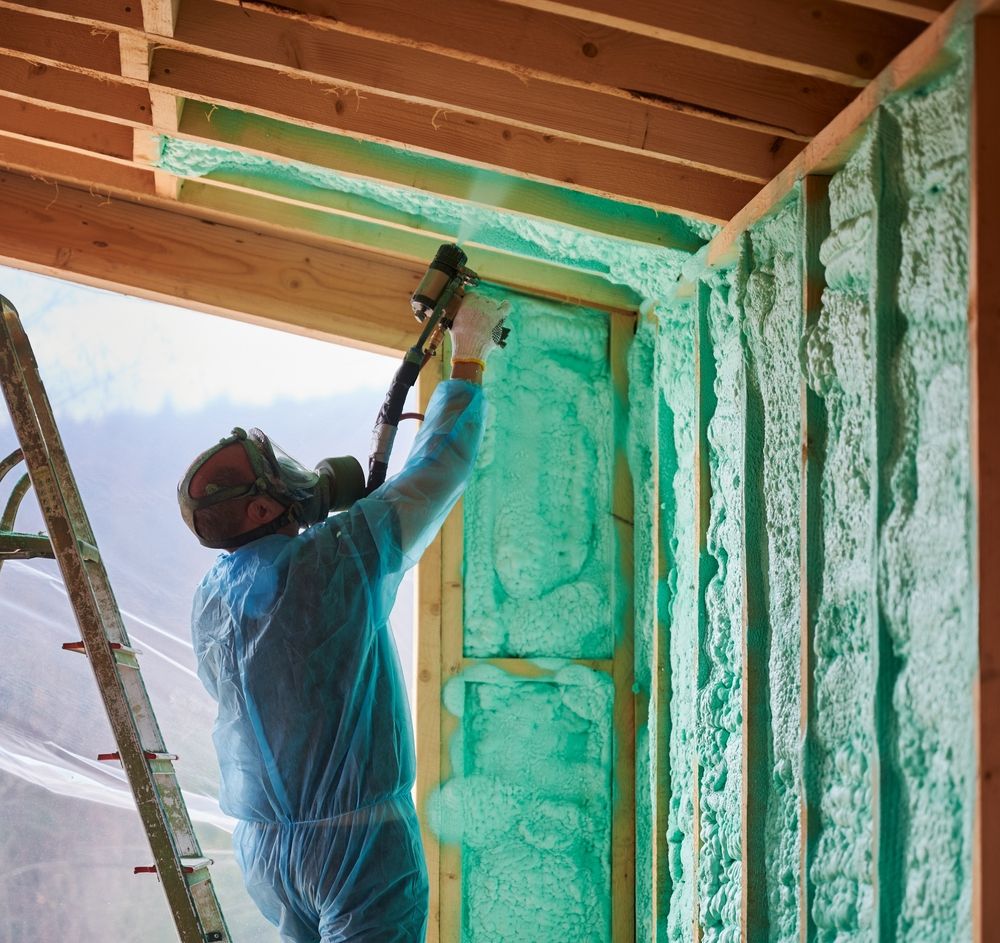
When mountain properties experience temperature swings from subzero nights to warming daytime conditions, standard insulation often allows conditioned air to escape through gaps and joints. Sprayfoam Solutions LLC applies spray foam insulation across Toponas and North Central Colorado mountain communities, sealing substrate surfaces with both closed-cell and open-cell formulations engineered for high-altitude performance. The service targets homes where rim joists, crawl spaces, and attic cavities leak heated air during Colorado's extended heating season.
The installation process begins with substrate preparation—removing debris, checking for moisture intrusion, and ensuring surfaces are dry and structurally sound. Spray equipment is calibrated for altitude, since air density affects foam expansion rates at elevations common to Routt County and I-70 corridor properties. Material selection follows R-value targets and vapor control requirements, with closed-cell options providing moisture barriers and structural support, while open-cell foam allows seasonal humidity transfer in attic applications.
Schedule a property evaluation to determine whether closed-cell or open-cell foam suits your building envelope and climate exposure..
How Spray Foam Addresses Seasonal Air Leakage
Spray foam expands on contact with framing and sheathing, filling irregular cavities around wiring penetrations, recessed lighting, and plumbing chases that batt insulation cannot seal. Closed-cell formulations cure at densities between 1.5 and 2.0 pounds per cubic foot, creating a continuous vapor barrier that prevents moisture from migrating into wall cavities during freeze-thaw cycles. Open-cell applications cure at lower densities—0.4 to 0.5 pounds per cubic foot—offering air sealing with vapor permeability suitable for attic spaces where seasonal moisture needs to escape.
Once cured, you notice reduced drafts near baseboards and ceiling joints, quieter interior spaces due to the foam's sound-dampening properties, and lower heating costs as furnaces or boilers run fewer cycles to maintain set temperatures. Sprayfoam Solutions LLC monitors cure times to verify full adhesion before finishing work proceeds, preventing incomplete expansion that can leave thermal bridges.
The installation does not address exterior weatherproofing or roof membrane repairs—those remain separate steps. Foam applied to rim joists requires fire-rated barriers per building codes, and attic installations must preserve ventilation pathways where roof assemblies depend on airflow for moisture management.
Common Questions About This Service
Mountain property owners often ask how spray foam performs under the specific conditions found in high-altitude Colorado communities..
What preparation happens before foam application?
Surfaces are cleaned of dust and checked for moisture intrusion, then framing is inspected for structural integrity to support foam adhesion and prevent delamination during seasonal temperature changes.
How does altitude affect spray foam installation in Toponas?
Equipment calibration adjusts foam component ratios and spray pressure to compensate for lower air density at mountain elevations, ensuring proper expansion and curing despite reduced atmospheric pressure.
When should I choose closed-cell foam over open-cell?
Closed-cell foam works best for crawl spaces, rim joists, and foundation walls where moisture barriers and structural reinforcement matter, while open-cell foam suits interior walls and attics where vapor permeability and cost efficiency are priorities.
What R-value should I target for heating season efficiency?
Most mountain homes benefit from R-30 to R-50 in attics and R-15 to R-25 in walls, with closed-cell foam delivering higher R-value per inch than open-cell options or fiberglass batts.
How long does foam take to cure before finishing work?
Closed-cell foam cures within hours, while open-cell foam may require 24 hours for full expansion and hardening before drywall installation or other finish work proceeds.
Sprayfoam Solutions LLC provides detailed R-value recommendations based on your heating system capacity and exposure to prevailing weather patterns. Request an on-site consultation to review substrate conditions and foam application options for your property.