
Cost-Conscious Insulation for Standard Framing Applications
Fiberglass Batt Insulation in Toponas for New Construction and Retrofit Projects With Proper Air Sealing
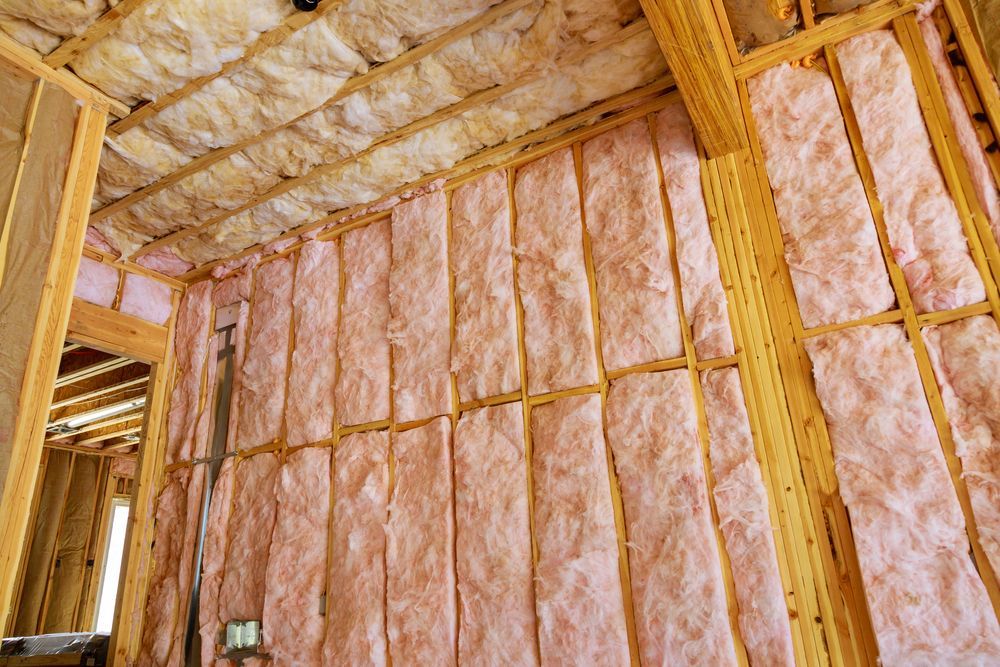
Standard framing cavities in walls and ceiling joists accept fiberglass batts sized to fit between studs and rafters, providing thermal resistance when combined with air sealing measures that prevent convective heat loss. Kraft-faced batts include a vapor retarder that slows moisture migration in heating-dominated climates, while unfaced batts suit interior applications where vapor barriers are not required. Sprayfoam Solutions LLC installs fiberglass batt insulation across Craig, Eagle, and Routt County residential properties, targeting new construction and renovation projects where budget constraints favor batt materials over spray foam alternatives.
Installation involves cutting batts to fit cavity dimensions, tucking material around wiring and plumbing without compressing fibers, and stapling flanges to framing faces when kraft facings are used. Unfaced batts friction-fit between studs and require separate vapor barrier installation in wall assemblies exposed to cold exterior temperatures during Colorado's heating season.
Schedule a property evaluation to identify air sealing priorities that maximize batt insulation performance in mountain climate conditions.
What Changes After Batt Installation Completes
Properly installed batts fill framing cavities without gaps at top plates or bottom plates, where missing insulation creates thermal bypasses that undermine R-value. Batts must maintain their loft—compressed fiberglass loses insulating ability because trapped air provides thermal resistance, and compressing fibers reduces air pockets. When combined with caulking around window frames, electrical boxes, and plumbing penetrations, batts slow heat transfer through wall and ceiling assemblies.
After installation, you notice fewer cold spots on interior wall surfaces during winter months, though batts do not eliminate drafts the way spray foam does. Heating systems run less frequently to maintain set temperatures compared to uninsulated cavities, but air leakage around batt edges allows some convective heat loss that reduces overall efficiency. Batts settle minimally over time when installed without compression, maintaining R-value through seasonal temperature cycles typical of I-70 corridor communities.
Batt insulation does not provide air sealing—gaps around batt edges and penetrations require separate caulking or foam sealant to prevent air movement through wall assemblies. Vapor barrier placement follows building codes for heating-dominated climates, with kraft facings oriented toward heated spaces to prevent condensation in wall cavities during cold weather.
What Property Owners Usually Ask
Homeowners considering fiberglass batts for new construction or retrofits often need guidance on installation standards and performance expectations in mountain environments.
What R-value should fiberglass batts provide in Toponas walls?
Most mountain homes benefit from R-15 to R-21 in wall cavities and R-30 to R-38 in attic floors, with batt thickness selected to match framing depth without compressing fibers.
How does air sealing affect batt insulation performance?
Batts slow heat conduction through material fibers, but air leakage around batt edges causes convective heat loss that reduces overall efficiency—caulking and weatherstripping are essential to achieve rated R-values.
When should kraft-faced batts be used instead of unfaced?
Kraft facings provide a vapor retarder required by building codes in exterior walls exposed to cold temperatures, preventing moisture from condensing inside cavities during heating season.
What installation mistakes reduce batt effectiveness?
Compressing batts to fit obstructed cavities, leaving gaps at top and bottom plates, and failing to split batts around wiring all create thermal bypasses that lower R-value and increase heating costs.
How do fiberglass batts compare to spray foam for cost and performance in Craig and Eagle?
Batts cost less per square foot but require separate air sealing work, while spray foam combines insulation and air sealing in one application—total project costs depend on cavity dimensions and air leakage severity.
Sprayfoam Solutions LLC identifies air leakage pathways and recommends sealing priorities to maximize batt insulation effectiveness. Request an inspection to determine whether fiberglass batts or spray foam better suits your insulation budget and performance goals.