
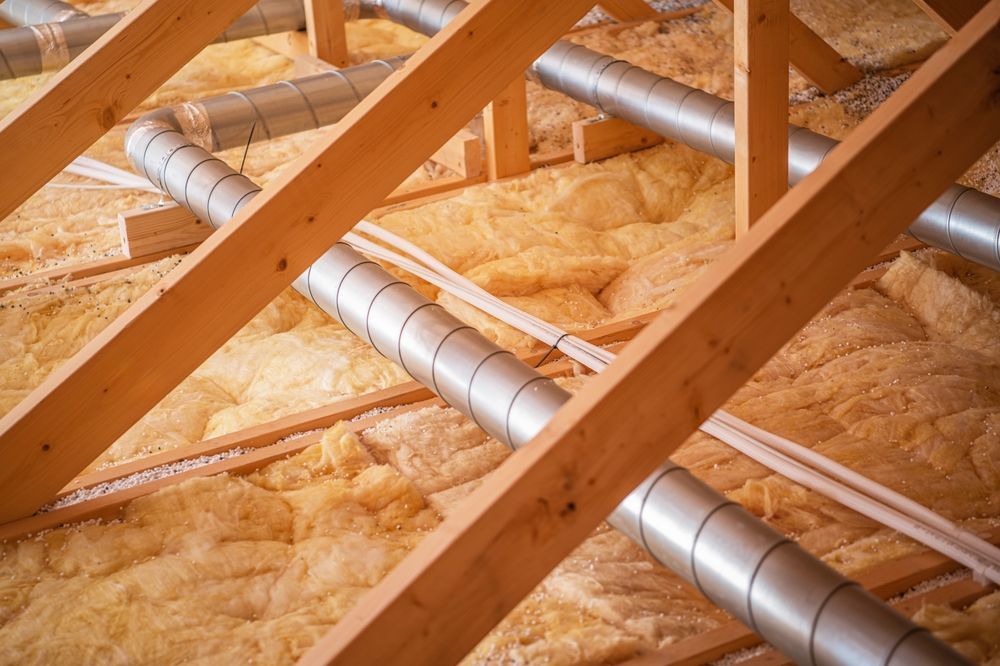
Stop Winter Heat Loss Through Your Roof
Attic insulation in Toponas for mountain homes losing heat during extended cold months
Sprayfoam Solutions LLC installs spray foam, blow-in, and batt insulation systems in mountain attics where heating season energy loss occurs most dramatically. Homes at high altitude experience significant temperature swings that expose inadequate attic R-value, particularly during the months when snow loads sit on roofs and freeze-thaw cycles stress both structure and thermal envelope. You notice this loss when heating systems run constantly yet rooms stay cold, or when ice dams form along eaves as escaping heat melts snow unevenly across the roof plane.
The service begins with attic assessment and ventilation design matched to your specific roof assembly, since ventilation strategy must account for freeze-thaw cycles and the seasonal drying patterns caused by snow load exposure. Insulation type selection follows roof structure and performance goals: spray foam creates an air seal at the roof deck, blown-in dense-pack fills irregular joist bays, or hybrid systems combine both where rim joists meet rooflines. Air barrier verification ensures that the thermal layer functions as intended rather than allowing convective looping that undermines R-value.
Schedule a property evaluation to identify specific thermal weaknesses in your attic assembly.
What Proper Attic Insulation Requires
Application method is matched to roof assembly type because cathedral ceilings, truss systems, and traditional joist-and-rafter structures each require different air barrier strategies and ventilation pathways. Seasonal temperature swing durability matters in mountain climates where attic temperatures can shift sixty degrees between winter night and sunny afternoon, stressing adhesion and compression resistance in ways that moderate climates never test. Energy performance testing protocols verify airtightness and thermal continuity after installation completes.
After installation completes, you notice that heating system runtime decreases measurably and rooms maintain temperature more evenly throughout the day, even during prolonged cold snaps. Ice damming along roof edges stops forming because heat no longer escapes through the attic to melt snow inconsistently across the roof surface. Upper-floor rooms that previously felt drafty or required separate space heaters now hold comfortable temperature without supplemental heating.
The insulation system includes air barrier verification at all penetrations, since plumbing vents, electrical boxes, and chimney chases create thermal bypasses if not sealed during the insulation process. Ventilation pathways are preserved or redesigned depending on whether insulation is installed at the attic floor or along the roof deck, with each approach requiring different airflow management to prevent moisture accumulation during shoulder seasons when temperature differentials drive condensation risk.
Common Questions About This Service
Mountain property owners in Toponas often ask how insulation performance holds up under the specific conditions their homes face throughout the year.
What insulation type works best for high-altitude attics?
Closed-cell spray foam provides the highest R-value per inch and creates an air seal simultaneously, which matters in mountain homes where space is limited and air leakage drives energy loss as much as conductive heat transfer does.
How does freeze-thaw cycling affect attic insulation?
Temperature swings cause materials to expand and contract repeatedly, which can compromise batt insulation that relies on friction-fit installation or create gaps in improperly applied blown-in systems that settle unevenly under thermal stress.
When should attic insulation be installed in Toponas?
Installation is possible year-round, though fall scheduling allows the system to prove performance during the first full heating season, and dry conditions improve adhesion for spray foam applications.
Why does ventilation strategy matter for insulated attics?
Ventilation design must account for snow load drying patterns and prevent moisture accumulation during spring melt periods when temperature differentials between attic and exterior air drive condensation risk along roof decking.
What R-value is required for attics at this elevation?
Colorado mountain homes typically require R-49 to R-60 in attic assemblies to offset the extended heating season and temperature extremes that high-altitude locations experience, though specific code requirements depend on county jurisdiction.
Sprayfoam Solutions LLC coordinates attic insulation installation with your construction schedule or retrofit timeline, ensuring that air sealing and ventilation design integrate properly with your roof assembly. Request a detailed estimate based on your current attic condition and heating performance concerns.