If your heating or cooling bills seem higher than they should be, the culprit could be right above your head. In many Colorado homes, the
attic is the single biggest source of energy loss. Heat naturally rises, and without proper attic insulation, that warmth escapes through your roof during winter—or seeps in during the hot summer months.
In a region like
Fort Collins, CO, where temperatures can fluctuate dramatically between seasons, quality attic insulation is one of the most effective ways to cut monthly energy costs and maintain a comfortable indoor environment year-round.
Why the Attic Matters Most for Energy Efficiency
Your attic acts as a buffer between indoor living spaces and the outdoor climate. When insulation is inadequate, missing, or poorly installed, air leaks and heat transfer occur rapidly, forcing your HVAC system to work overtime.
According to the
U.S. Department of Energy, up to
25% of a home’s energy loss can occur through the roof and attic. Proper insulation acts as a thermal barrier that reduces this loss and stabilizes indoor temperatures.
For Fort Collins homeowners, this translates to:
- Lower heating and cooling bills
- Fewer drafts and cold spots
- A more consistent indoor temperature across rooms
- Less wear on your furnace and air conditioner
Signs Your Attic Insulation Needs Attention
If your home’s insulation hasn’t been inspected in several years, it may not be performing as it should. Look for these warning signs that indicate poor or outdated attic insulation:
- Uneven room temperatures: Rooms beneath the attic feel hotter in summer and colder in winter.
- High energy bills: Your HVAC runs frequently without noticeable comfort improvements.
- Visible insulation gaps: You can see floor joists or thin coverage areas in the attic.
- Drafts or moisture: Air leaks around vents, chimneys, or light fixtures.
- Old or degraded insulation: Fiberglass that looks dusty, compacted, or moldy.
Homes built before 2000 are especially likely to have insufficient insulation compared to today’s energy standards.
Best Insulation Materials for Colorado Attics
Not all insulation performs equally in Fort Collins’ semi-arid climate. The following materials are most effective for local conditions:
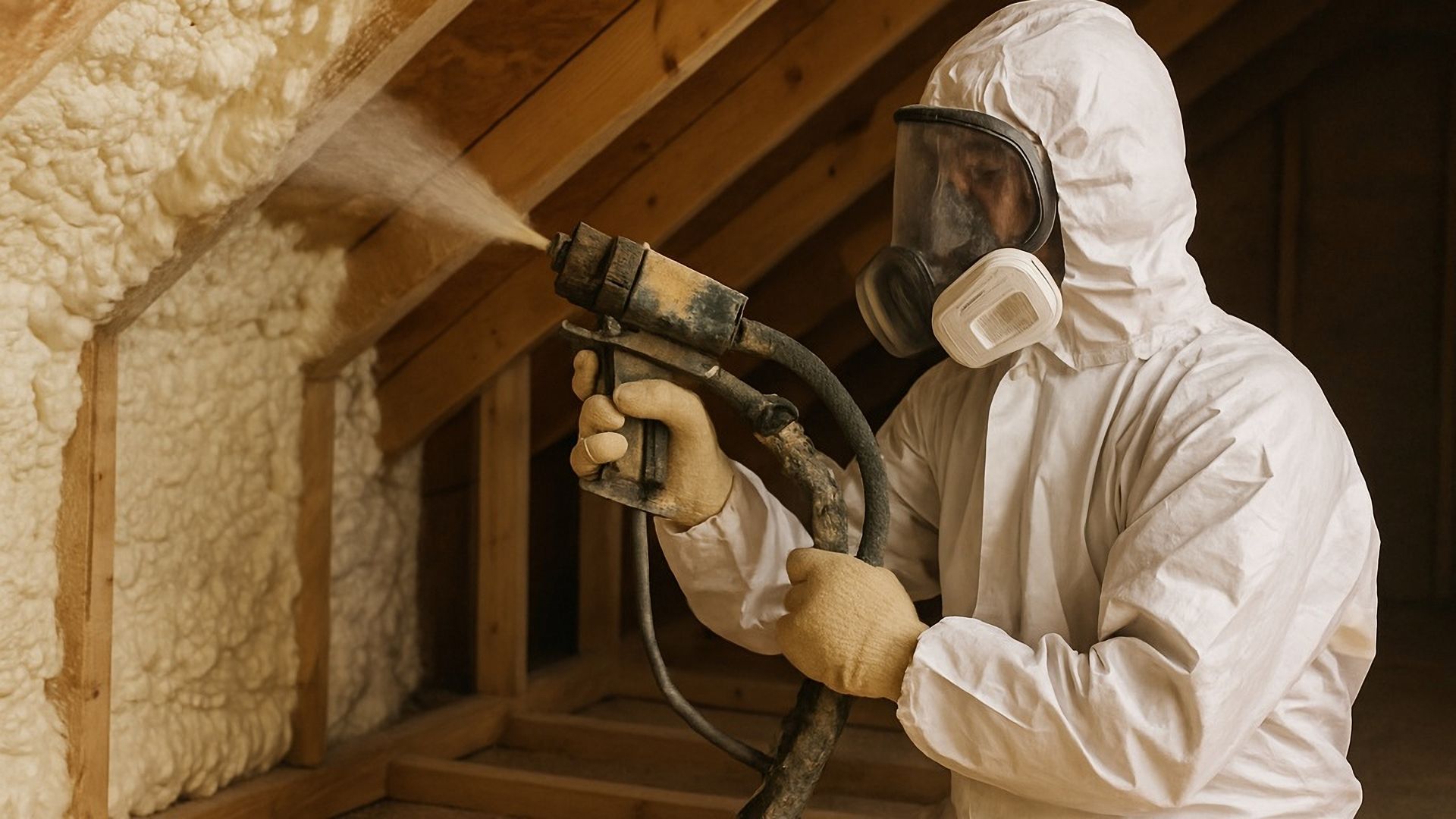
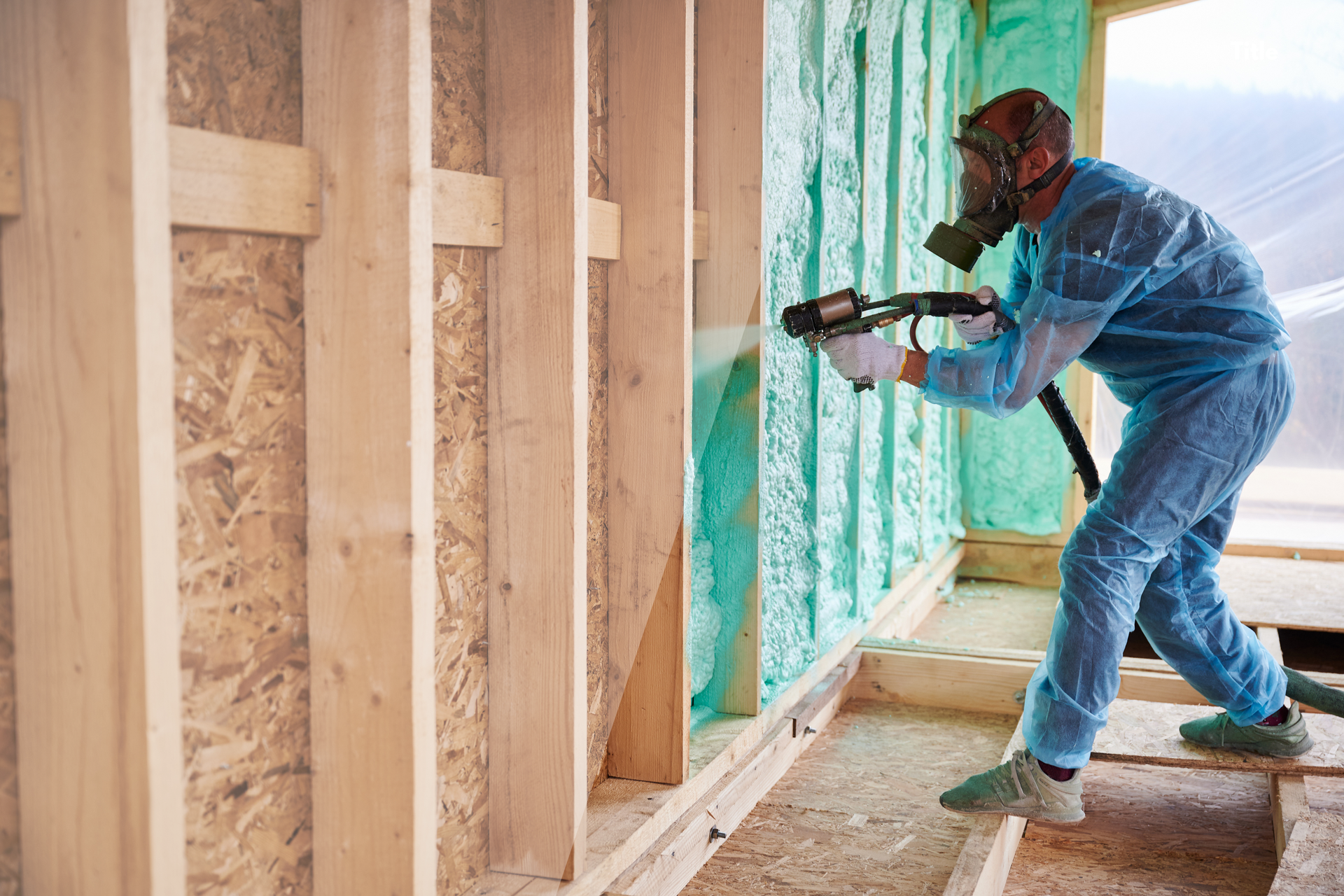
1. Spray Foam Insulation
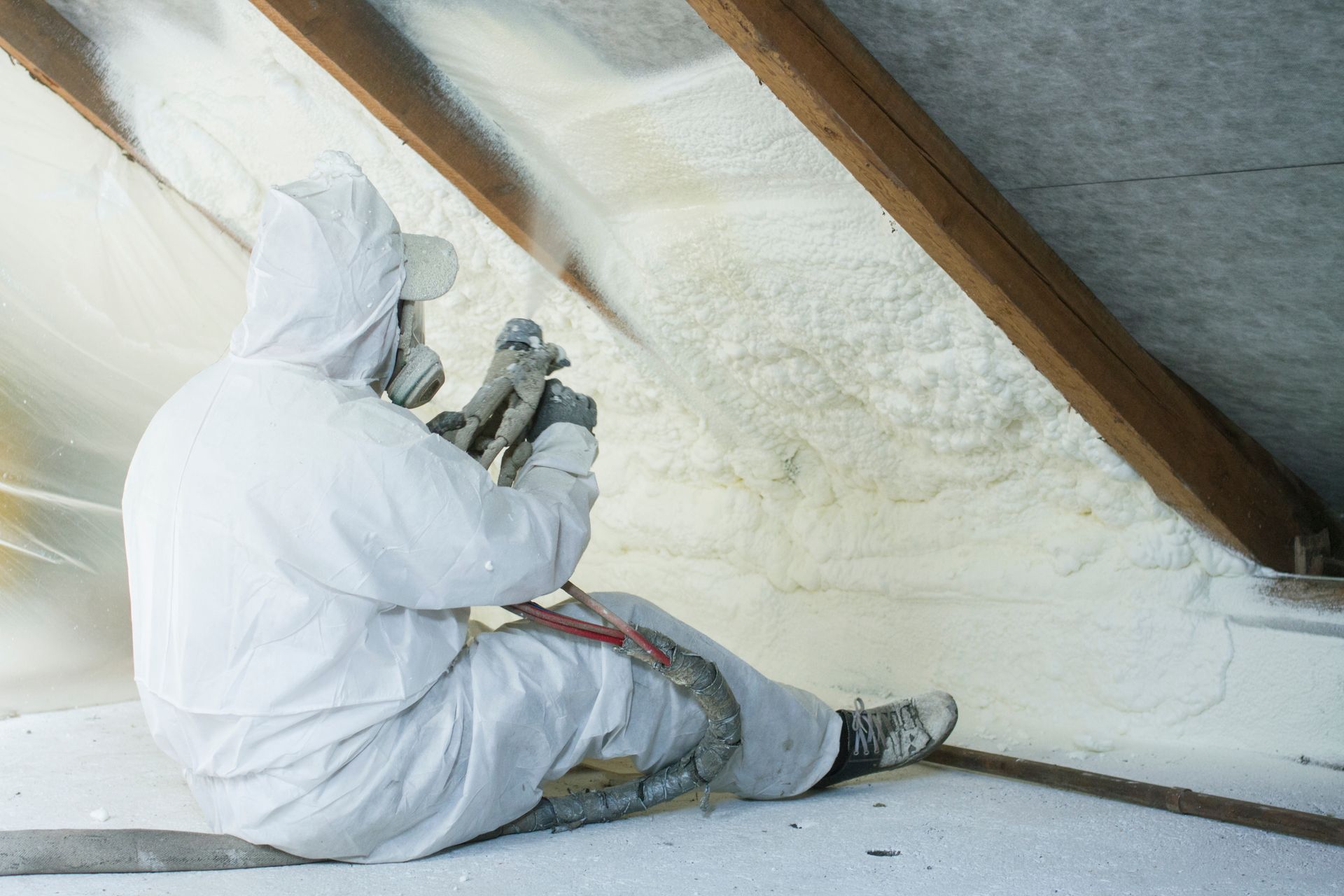
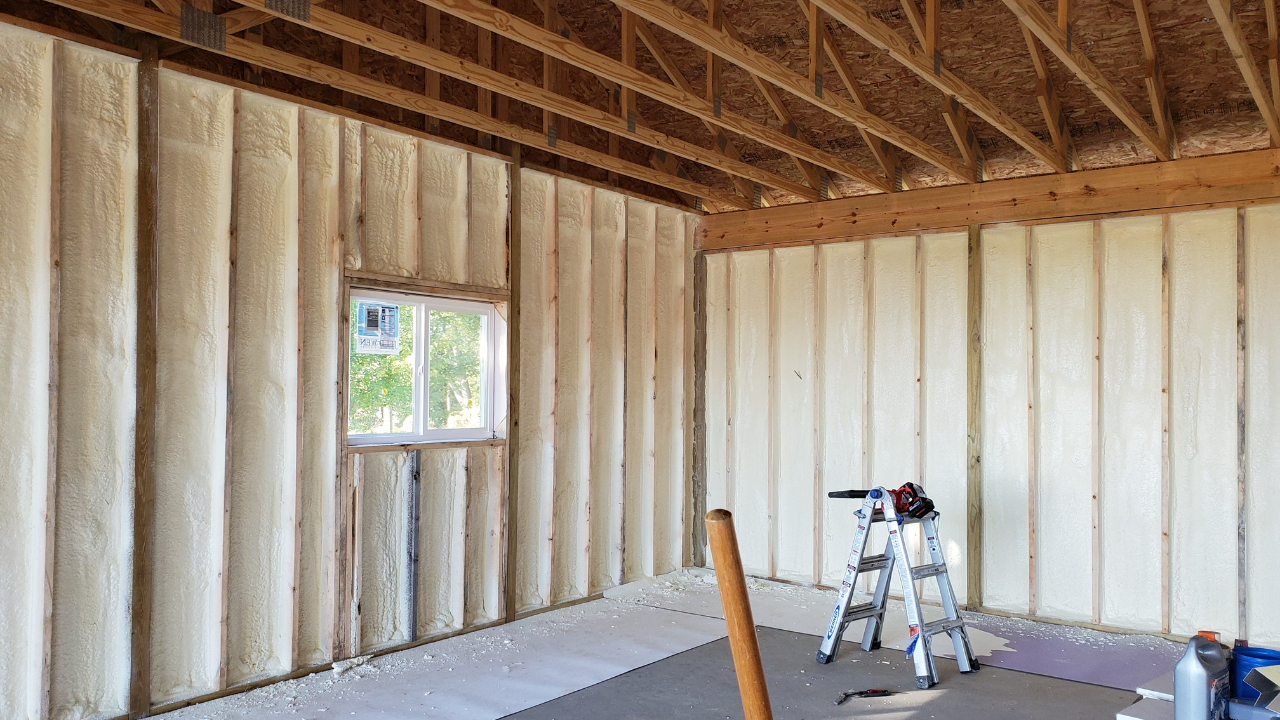
Spray foam expands to fill every crack, joint, and crevice, forming a
complete air seal. This prevents heat loss, stops air infiltration, and provides excellent moisture protection—essential for attics prone to condensation.
Both
open-cell and
closed-cell spray foam are used depending on the structure:
- Open-cell: Great for soundproofing and flexible coverage in interior roof decks.
- Closed-cell: Provides higher R-value and adds structural integrity to the roofline.
This insulation type is ideal for homeowners seeking
maximum efficiency and long-term performance.
2. Blow-In Insulation
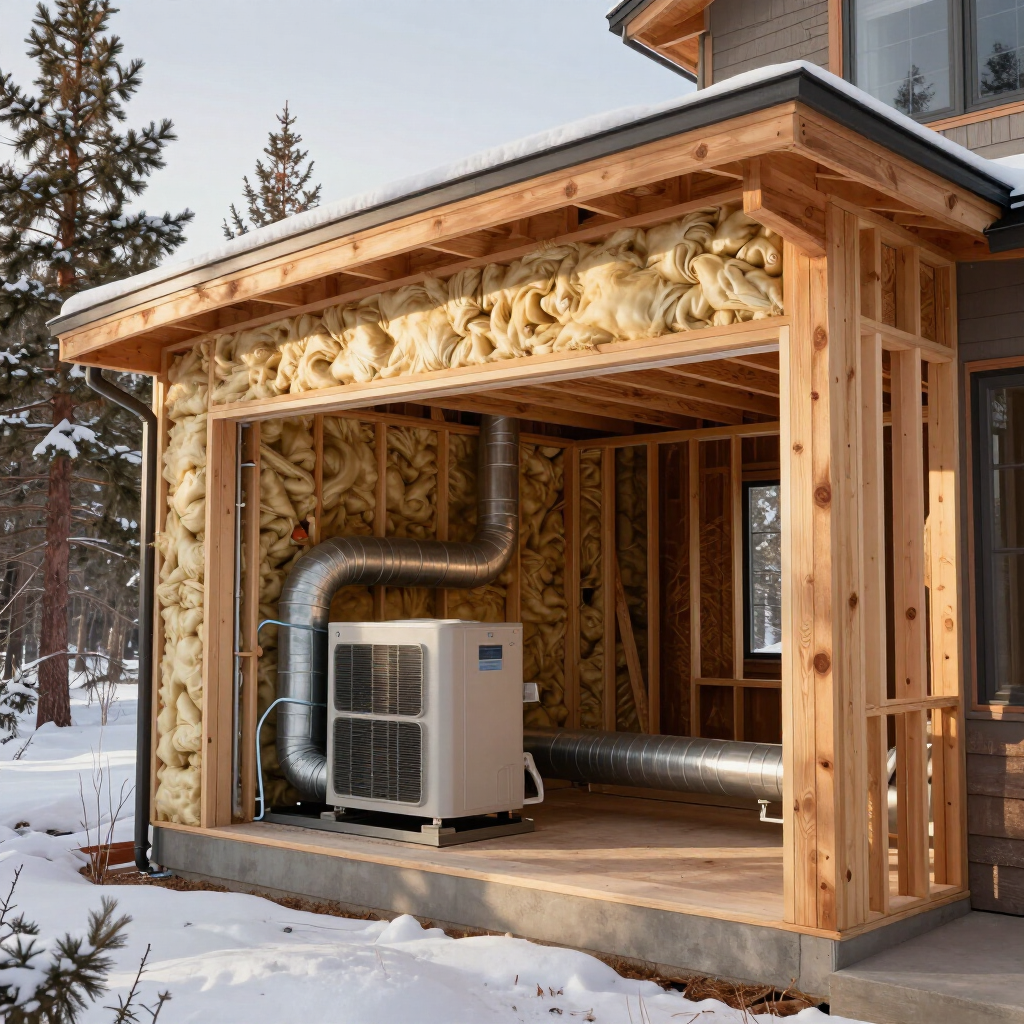
Blow-in insulation (often made from fiberglass or cellulose) is installed by blowing loose particles into attic cavities. It provides consistent coverage over existing insulation and can fill gaps around pipes and framing.
This is a cost-effective solution for homeowners upgrading older attics or topping up existing insulation to meet recommended R-values.
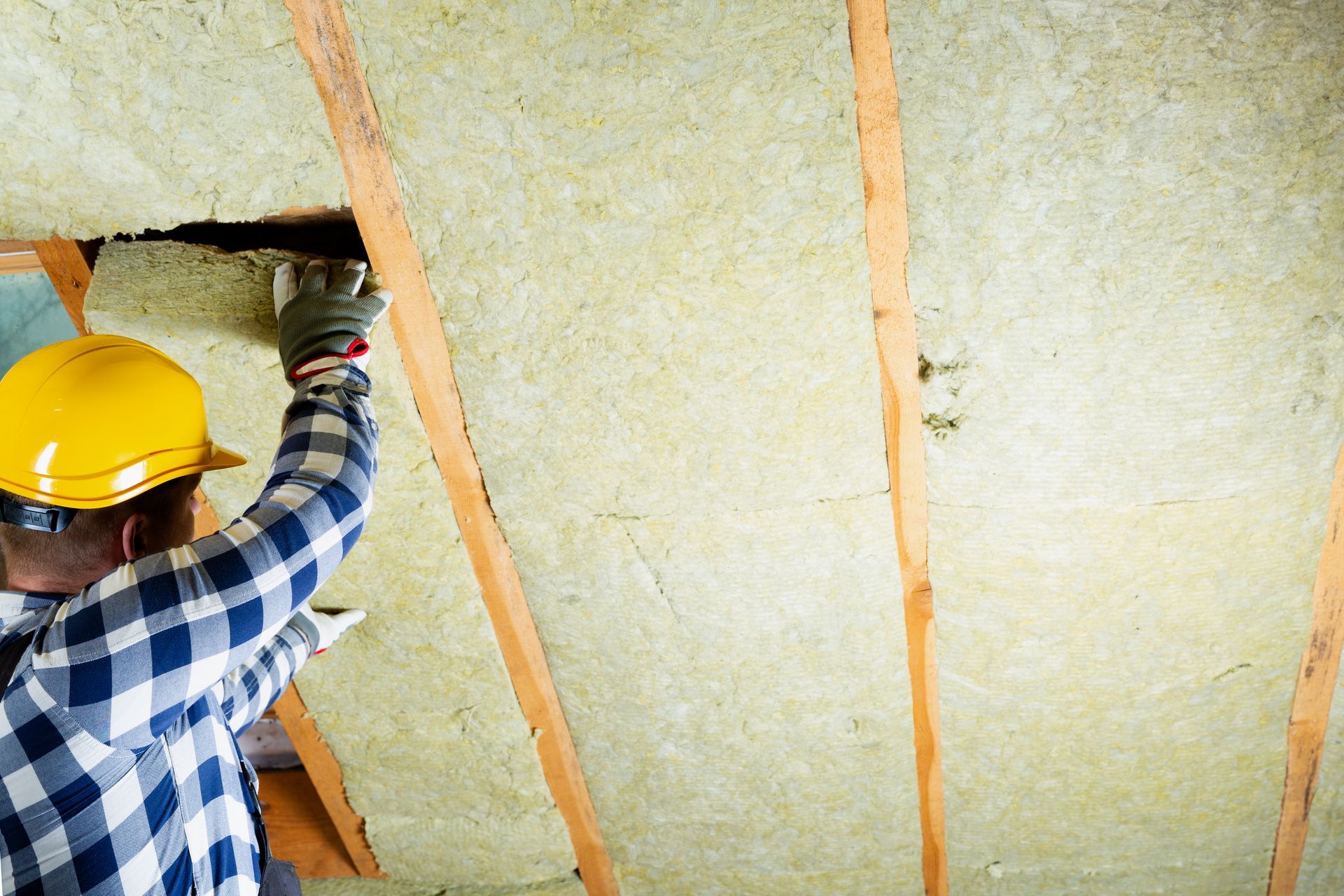
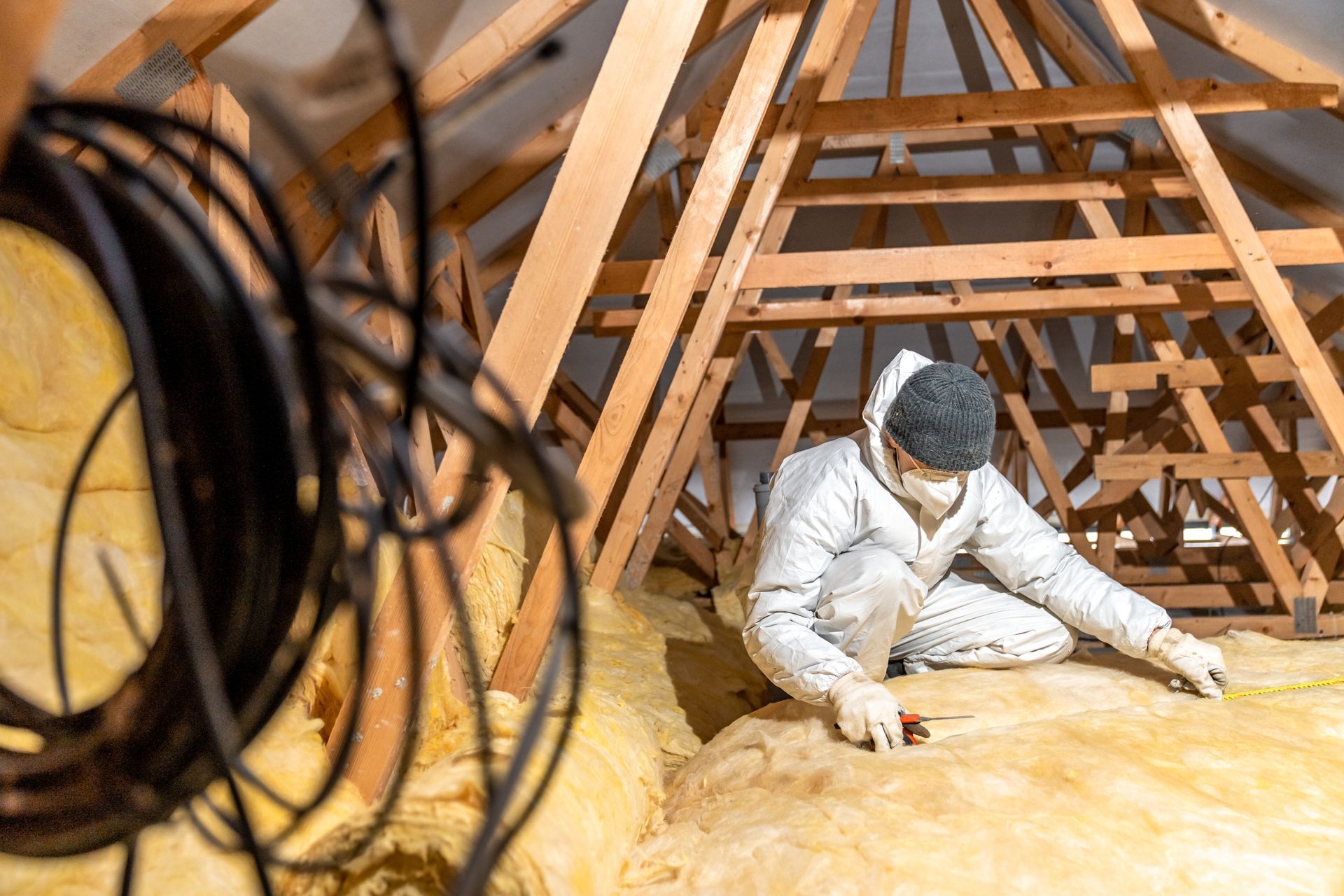
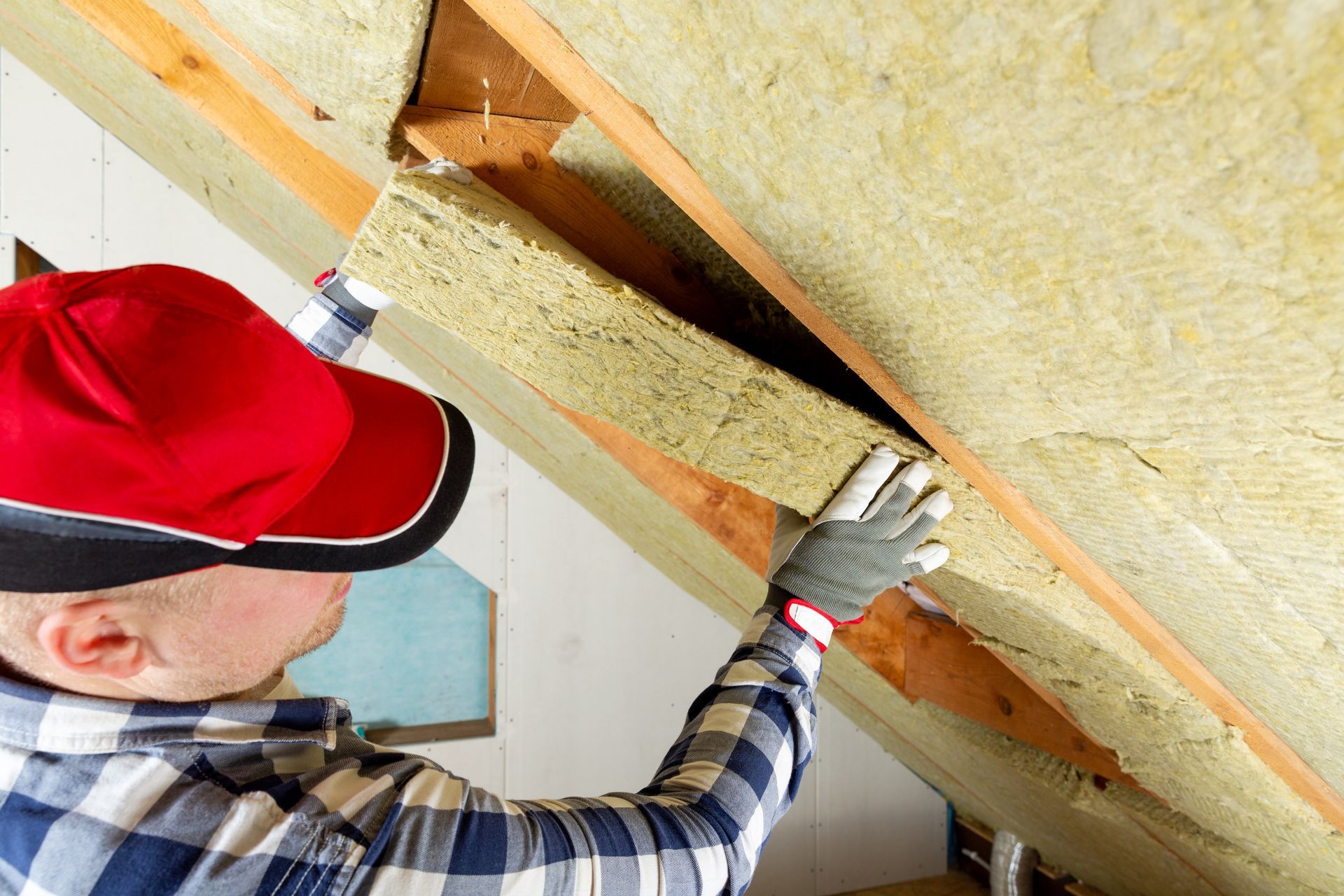
3. Fiberglass Batt Insulation
Fiberglass batts are the traditional choice and remain common in many homes. When installed correctly, they provide reliable performance, though they don’t seal air leaks as effectively as spray foam or blow-in options.
Recommended R-Value for Fort Collins Homes
R-value measures an insulation material’s resistance to heat flow. The higher the R-value, the better the performance.
The
U.S. Department of Energy recommends the following R-values for Northern Colorado:
- Attics: R-49 to R-60
- Walls: R-19 to R-21
- Floors: R-25 to R-30
Many older homes in Fort Collins only have R-19 to R-30 in the attic, which means upgrading can
double the insulation performance and significantly reduce heat loss.
How Attic Insulation Saves You Money
Proper attic insulation directly affects your energy usage in several key ways:
- Reduced HVAC workload: With less air escaping, your furnace and air conditioner cycle less frequently, saving both energy and maintenance costs.
- Improved comfort: Insulation keeps temperatures consistent, reducing hot and cold zones throughout the home.
- Lower utility bills: Homeowners often see
15–30% savings on energy costs after upgrading their attic insulation.
- Increased property value: Energy-efficient upgrades are among the most desirable improvements for Colorado homebuyers.
- Potential rebates: Many energy companies in Colorado offer
rebates or incentives for attic insulation upgrades.
For example, upgrading from R-19 to R-49 can save an average Fort Collins homeowner between
$200 and $400 annually on heating and cooling.
Why Professional Installation Matters
Attic insulation may seem straightforward, but achieving a tight, effective seal requires experience and precision. Gaps around vents, recessed lights, or framing can lead to air leaks that undermine performance.
Professional insulation contractors, like
[Sprayfoam Solutions LLC – https://sprayfoamsolutionsllc.com/], perform air sealing before insulation is installed and ensure all materials meet local building codes and safety standards. They can also recommend hybrid solutions—such as combining spray foam for air sealing with blow-in fiberglass for additional thermal coverage.
Professional installation also ensures:
- Even distribution and depth of insulation
- Proper ventilation to prevent moisture buildup
- Safe handling and disposal of old insulation
- Maximized R-value and lifespan of materials
Environmental Benefits of Upgrading Attic Insulation
Better insulation not only lowers costs but also supports a more sustainable home. Reducing your energy consumption means fewer greenhouse gas emissions and less strain on Colorado’s power grid.
Spray foam insulation, in particular, creates a long-lasting seal that reduces heating fuel and electricity use for decades. Fiberglass and cellulose options are also increasingly eco-friendly, with many products made from recycled materials.
Frequently Asked Questions
1. How often should attic insulation be replaced?
Most insulation materials last 20–30 years, but performance can decline due to moisture, pests, or settling. If your insulation looks damaged or uneven, an inspection is recommended.
2. Can I add new insulation over old insulation?
Yes, you can add blow-in insulation over existing fiberglass as long as the old material is dry and free of mold.
3. Is spray foam worth the investment?
For many Fort Collins homes, spray foam offers the best long-term value because it reduces both air leaks and heat transfer. Homeowners often recover installation costs through lower energy bills within a few years.
4. Does attic insulation help with summer heat?
Absolutely. Proper attic insulation keeps hot air from penetrating your living spaces, reducing the strain on your air conditioner during Colorado’s warm months.
5. Will better insulation improve indoor air quality?
Yes. Sealing air leaks reduces the infiltration of dust, pollen, and outdoor pollutants, improving overall air quality.
Insulation Services for Fort Collins Homeowners
Upgrading your attic insulation is one of the smartest ways to improve comfort and save money on utilities. With years of experience serving Fort Collins, Greeley, Loveland, Windsor, and surrounding areas, Sprayfoam Solutions LLC provides high-quality insulation services tailored to Colorado’s unique climate.
From air sealing and insulation removal to spray foam and blow-in installations, their team ensures your home performs efficiently in every season.
To schedule an energy assessment or learn more about the right insulation for your home, visit
https://sprayfoamsolutionsllc.com/ or call
(970) 740-7780.