
The Cost of Spray Foam Insulation in Colorado (2025 Pricing Guide)

Introduction
If you’re considering upgrading your home or business with spray foam insulation, one of the first questions that comes to mind is cost. Homeowners across Fort Collins, Greeley, Loveland, and northern Colorado are increasingly turning to spray foam for its superior performance, durability, and energy efficiency. But what does it really cost, and is it worth it?
This 2025 pricing guide breaks down how much spray foam insulation costs in Colorado, the factors that influence price, and why it’s one of the smartest long-term investments for comfort and savings.
Average Cost of Spray Foam Insulation in Colorado (2025)
The average cost of professional spray foam insulation in Colorado typically ranges between:
- $1.50 to $3.50 per square foot for
closed-cell spray foam
- $1.00 to $2.00 per square foot for
open-cell spray foam
Your total project cost depends on:
- The
type of spray foam
- The
thickness and R-value required
- Accessibility of the area (attic, crawl space, walls, etc.)
- Labor rates in your city
- Whether it’s a
new installation or retrofit project
To give a realistic example, a 2,000-square-foot home in Fort Collins may cost between $3,000 and $6,000 for full spray foam insulation coverage, depending on the specific project goals.
Open-Cell vs. Closed-Cell Spray Foam: What You’re Paying For
Understanding the two types of spray foam insulation helps explain cost differences.
1. Open-Cell Spray Foam
- Cost: $1.00–$2.00 per sq. ft.
- R-Value: Around 3.6 per inch
- Best For: Interior walls, ceilings, and soundproofing
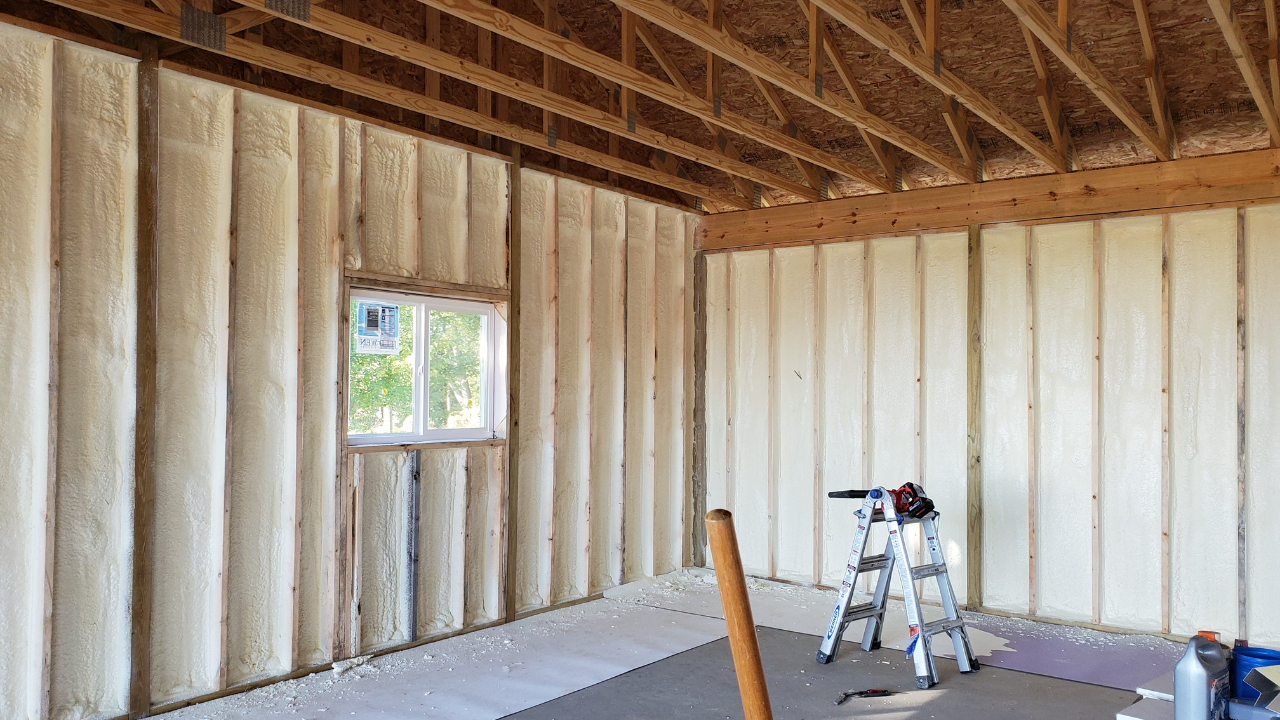
Open-cell foam expands significantly when applied, making it ideal for filling cavities. It’s less dense than closed-cell foam, which makes it more affordable but also slightly less effective for extreme temperature resistance.
2. Closed-Cell Spray Foam
- Cost: $1.50–$3.50 per sq. ft.
- R-Value: Around 6.5–7.0 per inch
- Best For: Exterior walls, attics, crawl spaces, basements, and roofing
Closed-cell spray foam is denser and provides both an air and moisture barrier, making it perfect for Colorado’s dry yet variable climate. It also strengthens walls and structures, adding value beyond insulation.
Cost by Application Area
| Application Area | Average Cost (Installed) | Recommended Foam Type |
|---|---|---|
| Attic | $2,000–$4,000 | Closed-cell or open-cell |
| Walls (Interior/Exterior) | $2.00–$3.50 per sq. ft. | Closed-cell |
| Crawl Space / Rim Joists | $1,500–$3,000 | Closed-cell |
| Basement Walls | $1.80–$3.20 per sq. ft. | Closed-cell |
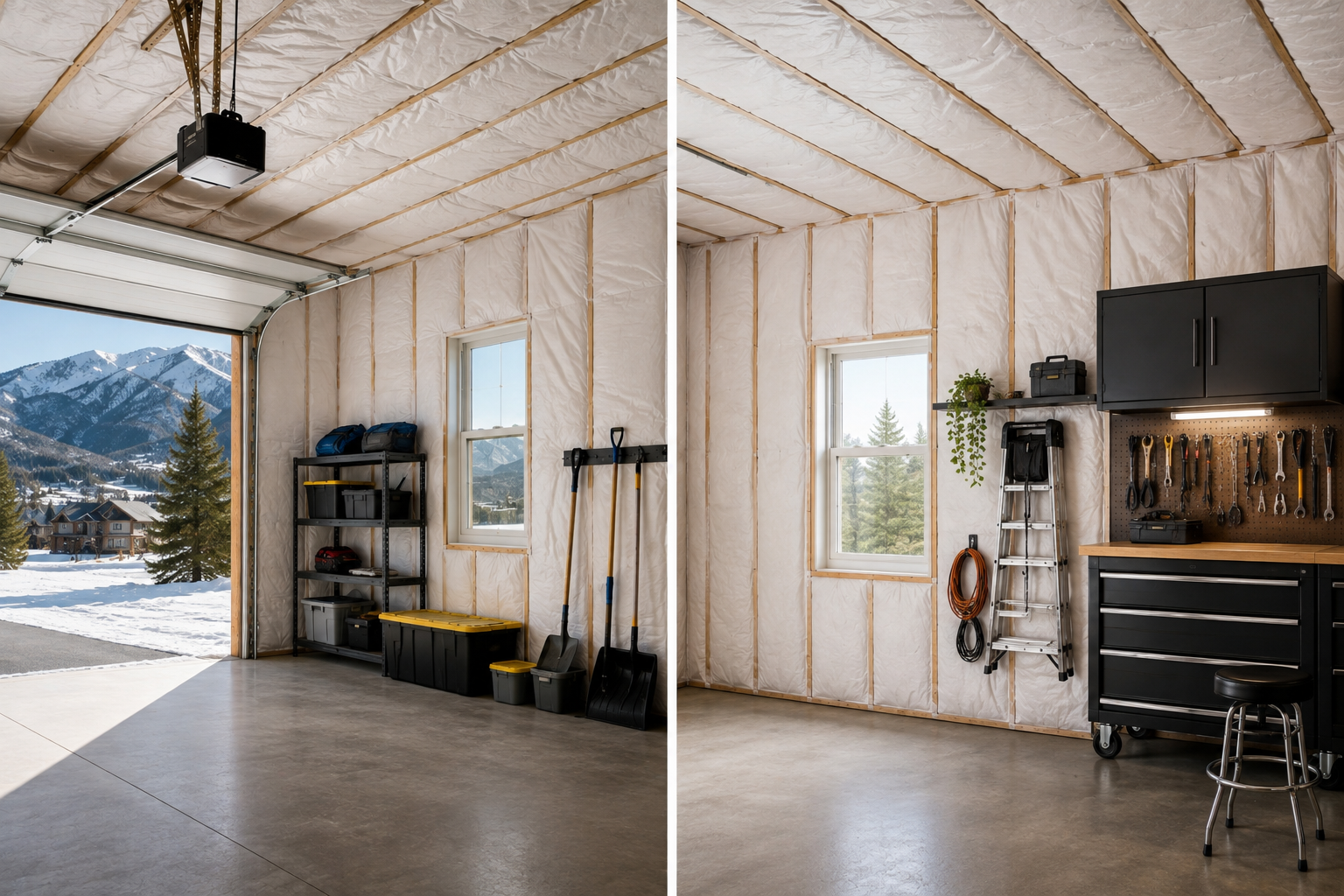
| Garage / Detached Structure | $1,200–$2,500 | Open-cell or closed-cell |
Note: Pricing varies depending on building design, accessibility, and local labor costs.
Factors That Influence Spray Foam Insulation Costs
1. Project Size and Complexity
Larger homes or complex layouts with multiple levels, vaulted ceilings, or hard-to-reach areas may require more time and material.
2. Foam Thickness
The thicker the insulation, the higher the cost—but also the better the performance. Attics and exterior walls generally require 2–4 inches of closed-cell foam for maximum efficiency.
3. Labor and Preparation
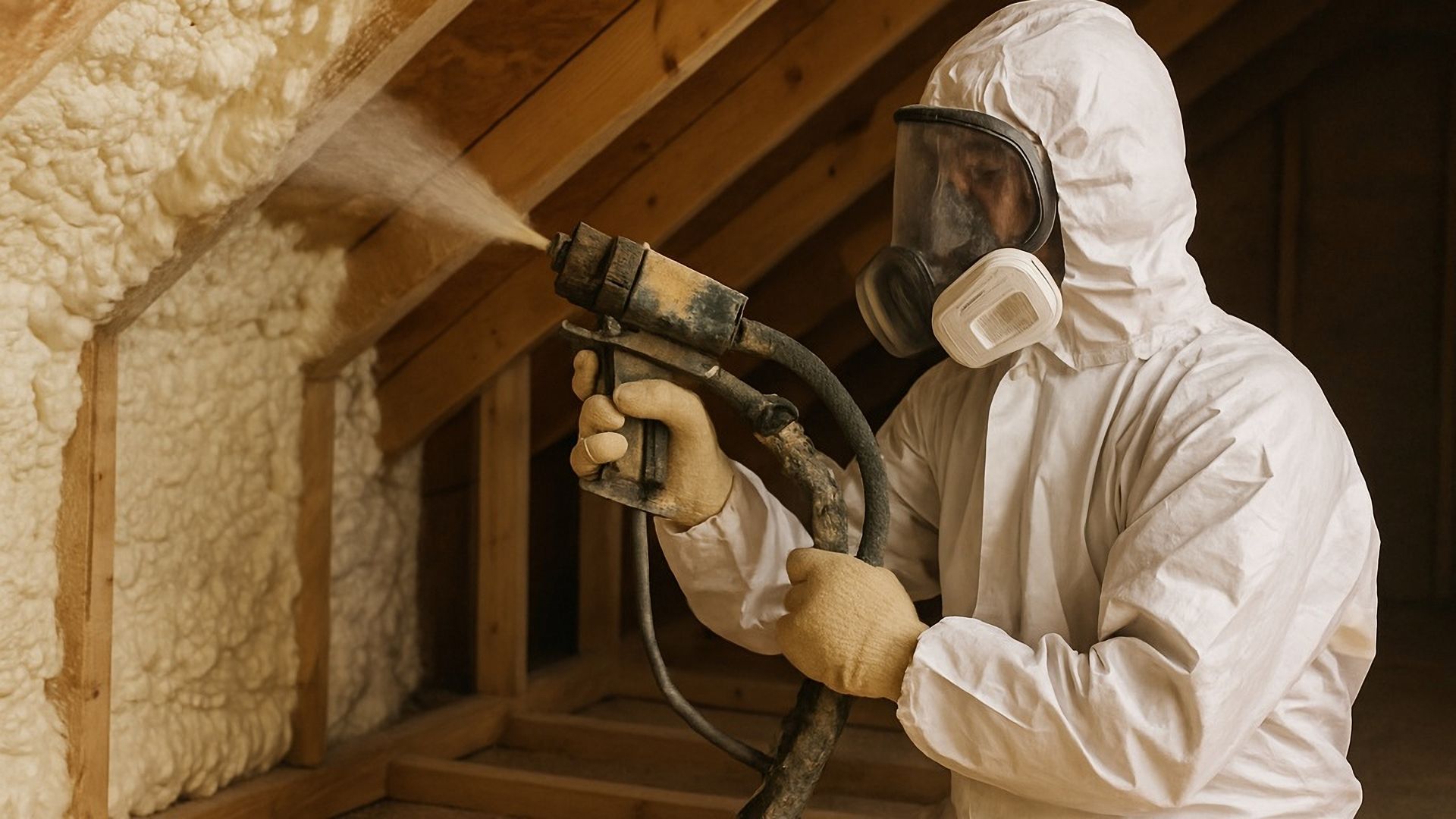
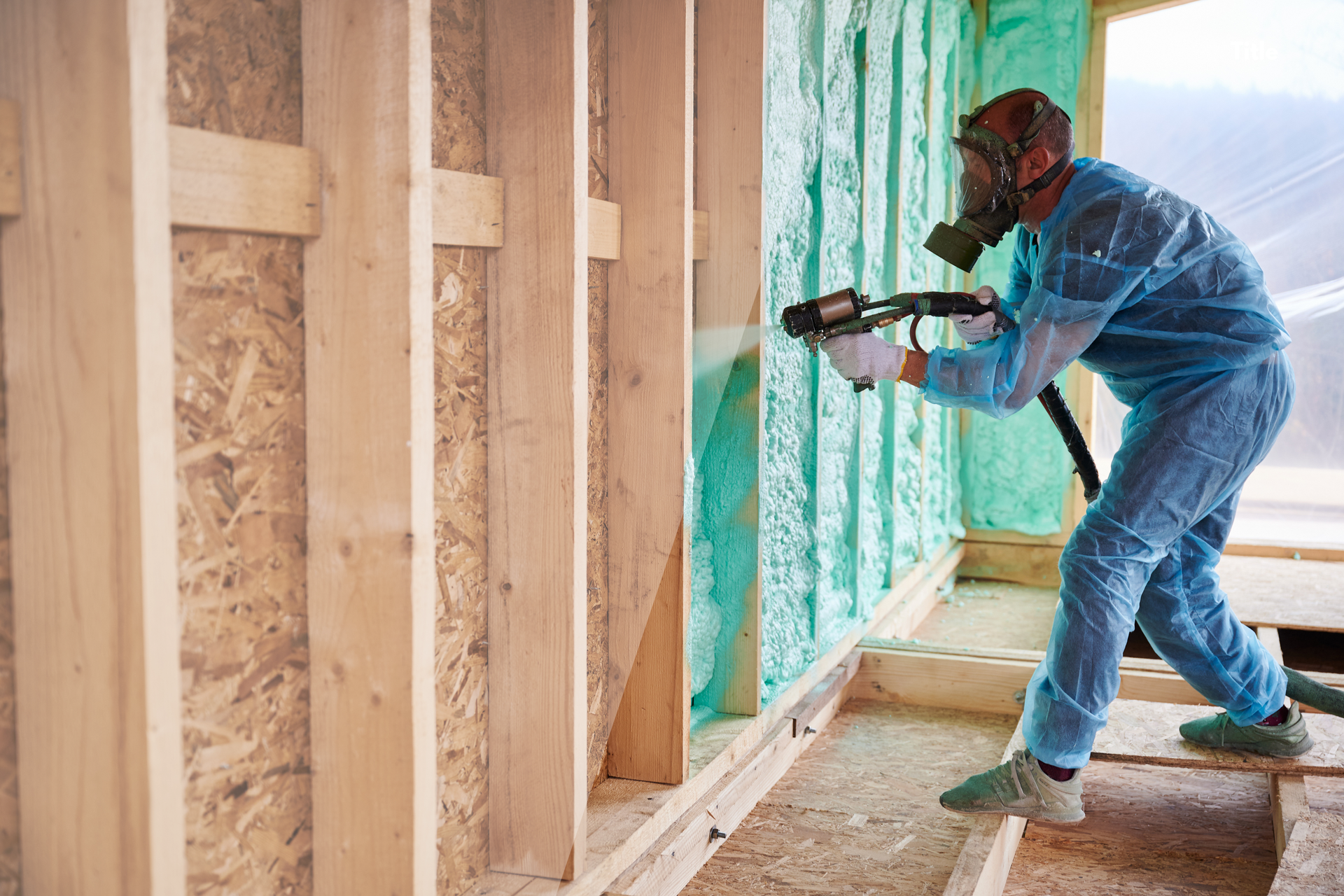
Professional installation includes air sealing, protective setup, and post-installation cleanup. Labor typically accounts for 40–50% of the total cost, ensuring the foam is applied correctly and safely.
4. Energy Rebates and Tax Credits
Colorado homeowners can reduce total installation costs through federal tax credits and local utility rebates. For 2025:
- Federal Energy Efficient Home Improvement Credit: Covers
30% of project cost (up to $1,200 annually)
- Xcel Energy and Efficiency Works Programs: Offer additional
$400–$600 rebates
Is Spray Foam Insulation Worth the Investment?
Though the initial cost is higher than traditional fiberglass or cellulose insulation, spray foam pays for itself through energy savings, comfort, and longevity.
Energy Savings
Spray foam can reduce heating and cooling costs by up to 40% because it eliminates air leaks and provides superior thermal resistance.
Durability
Unlike fiberglass, spray foam doesn’t sag, settle, or lose R-value over time. It can last 30 years or more with no maintenance.
Moisture and Mold Resistance
Closed-cell foam prevents moisture infiltration, reducing the risk of mold and mildew growth in attics and crawl spaces.
Added Home Value
Energy-efficient homes command higher resale prices. Buyers increasingly look for homes with spray foam insulation due to lower operating costs and improved comfort.
Structural Benefits
Closed-cell foam strengthens walls and roofs, providing extra rigidity and resistance to wind pressure—valuable for homes in open or high-altitude areas.
Spray Foam vs. Traditional Insulation: Cost Comparison
| Feature | Spray Foam Insulation | Fiberglass / Cellulose |
|---|---|---|
| Upfront Cost | Higher | Lower |
| Energy Efficiency | Excellent | Moderate |
| Air Sealing | Excellent | Poor |
| Moisture Resistance | High | Low to Moderate |
| Lifespan | 30+ years | 10–20 years |
| Maintenance | None | May need replacement or repair |
| ROI | 3–7 years | 10+ years |
While fiberglass and cellulose are less expensive initially, they can’t match the air sealing or longevity of spray foam. Over the life of your home, spray foam delivers greater value and comfort.
Example: Estimated Costs for a 2,000 Sq. Ft. Colorado Home
| Area | Type | Approx. Cost | Energy Savings per Year |
|---|---|---|---|
| Attic | Closed-Cell | $3,000 | $250–$400 |
| Walls | Closed-Cell | $2,500 | $200–$300 |
| Crawl Space | Closed-Cell | $1,500 | $150–$250 |
| Total Estimated Investment: | $7,000 | $600–$900/year savings |
That means most homeowners recover their investment within 5–7 years through energy savings alone — not including the comfort and structural benefits.
Frequently Asked Questions
1. Is spray foam insulation more expensive in Colorado than other states?
Slightly, due to regional labor rates and higher energy code requirements. However, rebates and tax credits often offset this difference.
2. Can I install spray foam insulation myself?
It’s not recommended. Professional installation ensures correct mixing, safety, and even coverage for maximum performance.
3. How long does installation take?
Most residential projects take
1 to 3 days, depending on size and accessibility.
4. Does spray foam require maintenance?
No. Once installed, it remains stable and effective for decades without replacement.
5. Is spray foam safe for homes?
Yes. After curing, spray foam is inert, non-toxic, and safe for both residential and commercial spaces.
Professional Spray Foam Insulation in Colorado
Spray foam insulation is one of the best investments you can make for your home’s efficiency and comfort. Whether you’re building new, remodeling, or upgrading existing insulation, Sprayfoam Solutions LLC delivers expert installation throughout Fort Collins, Greeley, Loveland, Windsor, and nearby areas.
Our experienced team will assess your home, provide transparent pricing, and help you take advantage of current rebates and tax incentives to lower overall costs.