Introduction
Heating and cooling systems are among the most important—and expensive—components of any home. In Colorado, where temperatures can shift dramatically between seasons and even within a single day, HVAC systems often work overtime to maintain comfortable indoor conditions.
Many homeowners assume high utility bills or frequent HVAC repairs are simply part of living in Colorado’s climate. However, the real issue is often poor insulation. When a home loses heat in winter or gains excessive heat in summer, the HVAC system must run longer and harder to compensate. Over time, this extra strain leads to increased wear and tear, higher maintenance costs, and shorter equipment lifespan.
Proper insulation acts as a protective barrier that reduces heat transfer and stabilizes indoor temperatures. By improving your home’s thermal performance, insulation allows your furnace and air conditioner to operate more efficiently and with less stress.
This guide explains how insulation affects HVAC performance and why homeowners throughout
Fort Collins, Greeley, Loveland, Longmont, Windsor, and surrounding Colorado communities are upgrading insulation to protect both comfort and mechanical systems.
The Relationship Between Insulation and HVAC Systems
Your HVAC system is designed to maintain a consistent indoor temperature. However, when a home is poorly insulated, conditioned air escapes while outdoor temperatures infiltrate the living space.
This creates a constant battle between:
- Indoor comfort goals
- Outdoor climate conditions
The HVAC system compensates by:
- Running longer cycles
- Starting more frequently
- Operating under greater stress
Over time, this extra workload accelerates equipment wear and reduces efficiency.
How Heat Transfer Affects Your Home
Heat naturally moves from warmer areas to cooler ones. During winter:
- Warm indoor air escapes through attics, walls, and floors
- Cold outdoor air enters through gaps and cracks
During summer:
- Exterior heat penetrates the home
- Cool indoor air leaks outside
Without proper insulation and air sealing, HVAC systems constantly struggle to replace lost conditioned air.
Common Signs Your Insulation Is Hurting HVAC Performance
Many homeowners do not realize insulation problems are affecting their heating and cooling systems. Common warning signs include:
- Rising utility bills
- Uneven room temperatures
- Frequent HVAC cycling
- Drafts near windows or floors
- Hot upstairs rooms in summer
- Cold floors in winter
- Excessive dust indoors
- HVAC systems running continuously
If your furnace or air conditioner rarely shuts off, poor insulation may be forcing the system to work harder than necessary.
How Proper Insulation Reduces HVAC Wear
1. Stabilizes Indoor Temperatures
Insulation slows heat transfer, helping indoor temperatures remain consistent throughout the day.
This means:
- Less temperature fluctuation
- Fewer HVAC adjustments
- Reduced demand on heating and cooling systems
When indoor temperatures stay stable, HVAC equipment cycles less frequently and operates more efficiently.
2. Reduces Run Time
Poor insulation forces HVAC systems to run longer cycles to compensate for energy loss.
High-performance insulation:
- Keeps warm air inside during winter
- Blocks outdoor heat during summer
As a result, heating and cooling systems can maintain desired temperatures more quickly and shut off sooner.
Shorter run times reduce:
- Motor strain
- Compressor wear
- Fan usage
- Electrical consumption
3. Prevents Short Cycling
Short cycling occurs when HVAC systems turn on and off too frequently.
This often happens when:
- Drafts create temperature inconsistencies
- Certain rooms heat or cool too quickly
- Thermostats struggle to maintain balance
Short cycling places significant strain on HVAC components and increases energy usage.
Proper insulation helps create balanced indoor conditions that allow systems to operate normally.
4. Improves Airflow Efficiency
Air leaks and temperature imbalances force HVAC systems to distribute more air throughout the home.
Proper insulation and air sealing improve airflow efficiency by:
- Maintaining stable temperatures
- Reducing duct strain
- Preventing conditioned air loss
This helps HVAC systems distribute air more evenly without overworking blowers or ductwork.
The Role of Air Sealing
Insulation alone does not completely solve energy loss problems. Air leaks are equally important.
Common air leakage areas include:
- Attic penetrations
- Recessed lighting
- Rim joists
- Crawl spaces
- Window and door gaps
- Plumbing and electrical penetrations
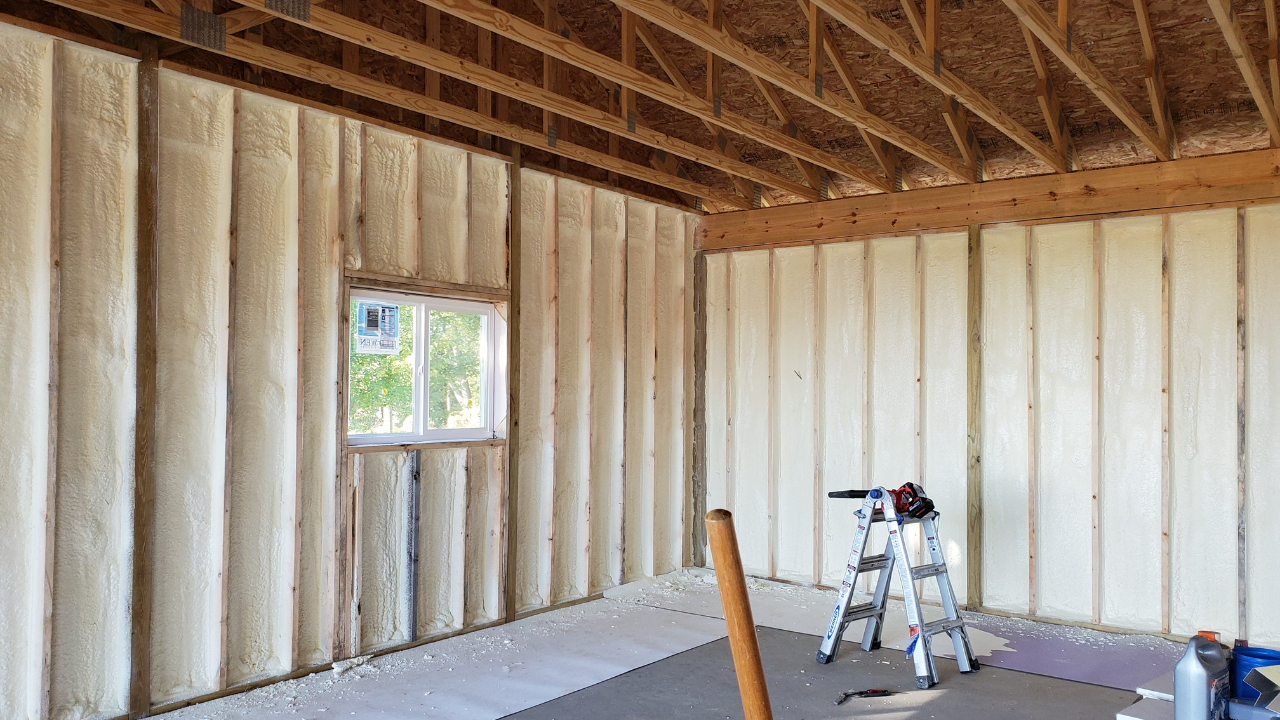
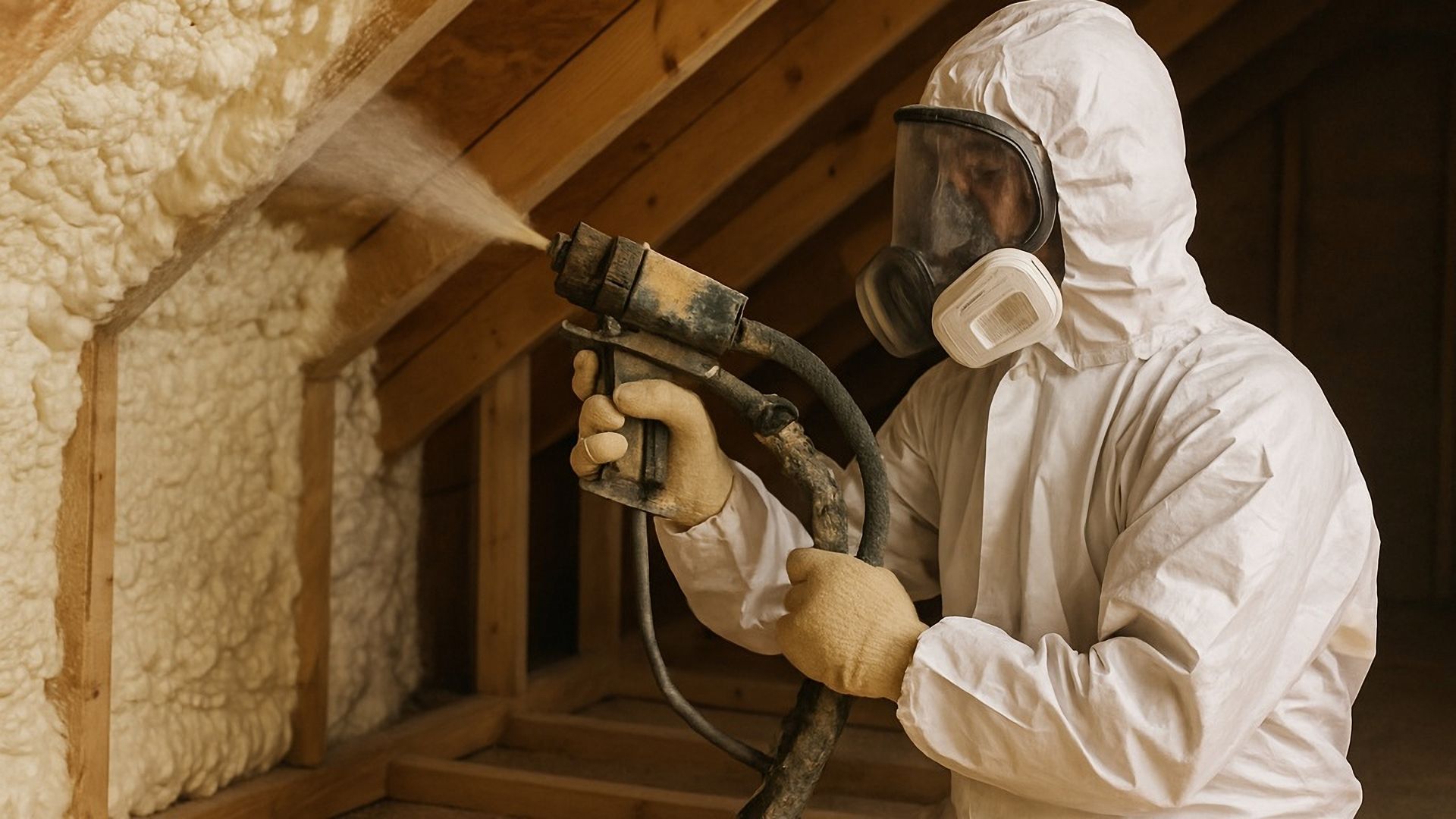
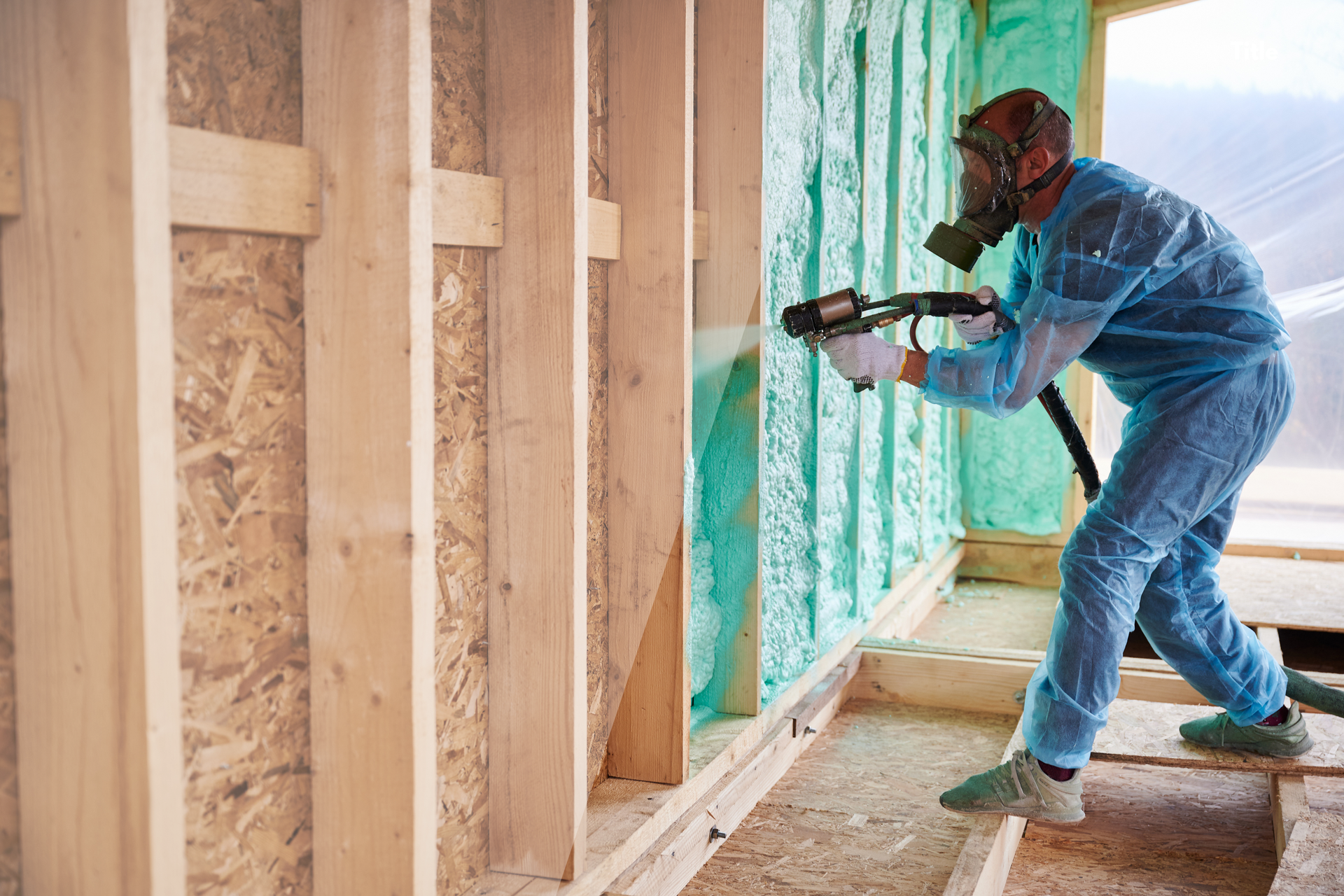
Spray foam insulation is particularly effective because it:
- Insulates
- Air seals simultaneously
This creates a continuous thermal barrier that greatly reduces HVAC strain.
Best Insulation Types for HVAC Efficiency
1. Spray Foam Insulation
Spray foam is one of the most effective insulation systems for improving HVAC efficiency.
Benefits Include
- Excellent air sealing
- High R-value
- Moisture resistance
- Long-term durability
Closed-Cell Spray Foam
- Higher R-value (R-6 to R-7 per inch)
- Moisture barrier
- Ideal for attics, crawl spaces, and exterior walls
Open-Cell Spray Foam
- Excellent sound control
- Effective air sealing
- Ideal for interior walls and ceilings
Spray foam significantly reduces air leakage, making HVAC systems more efficient year-round.
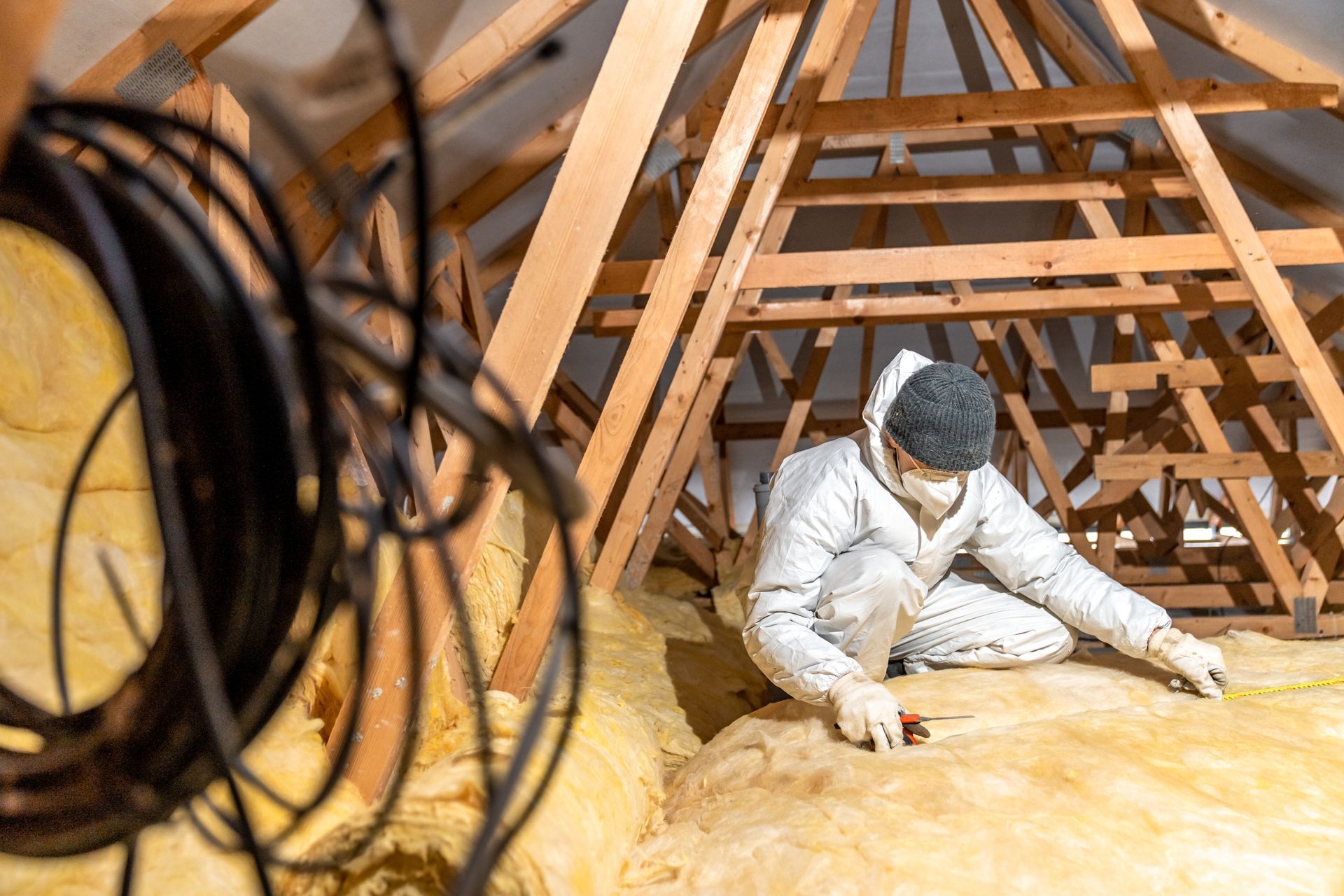
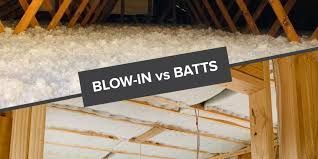
2. Blow-In Insulation
Blow-in fiberglass or cellulose insulation works well in attics and retrofit projects.
Advantages
- Consistent coverage
- Fills irregular spaces
- Improves attic thermal performance
When paired with proper air sealing, blow-in insulation can dramatically improve HVAC efficiency.
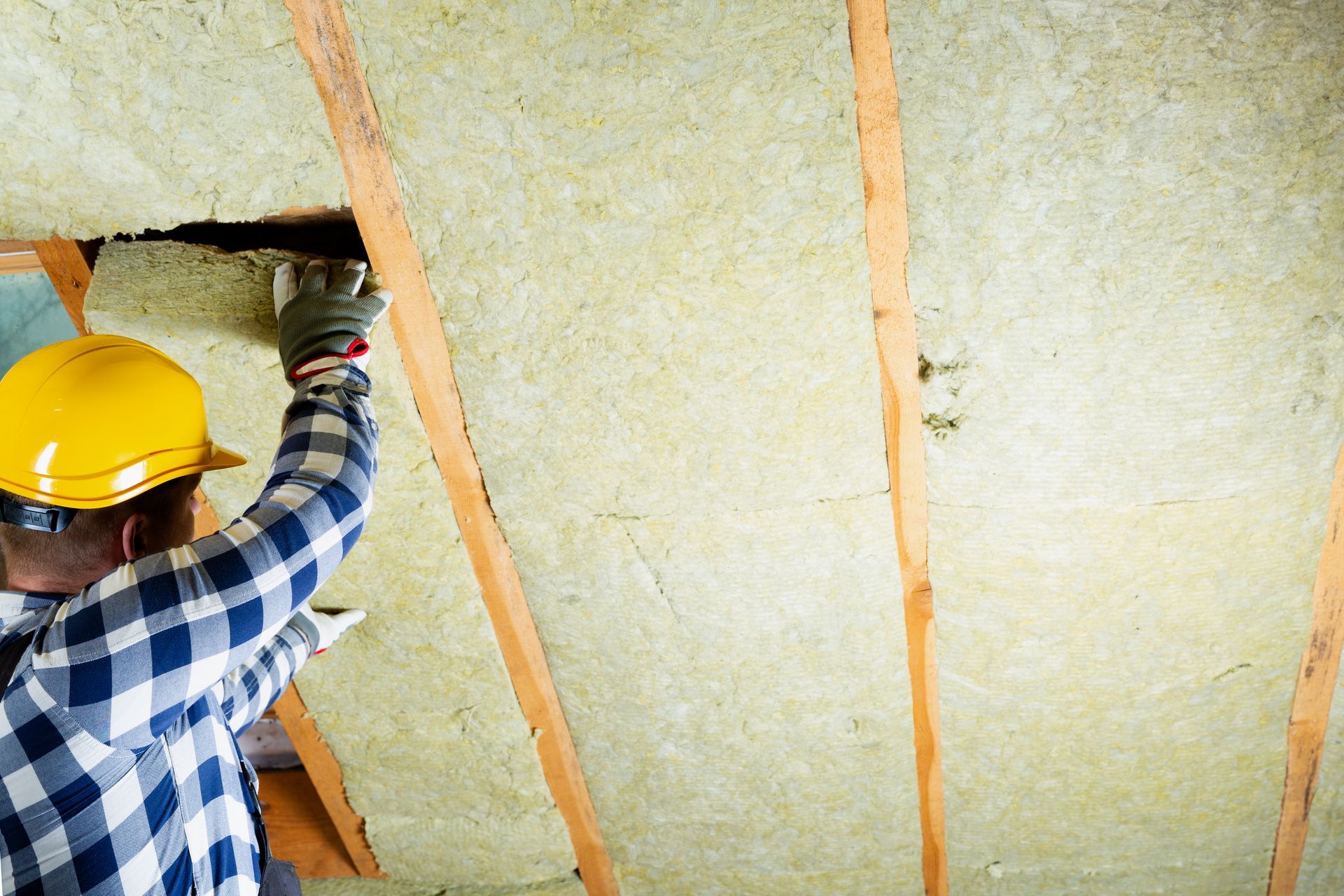
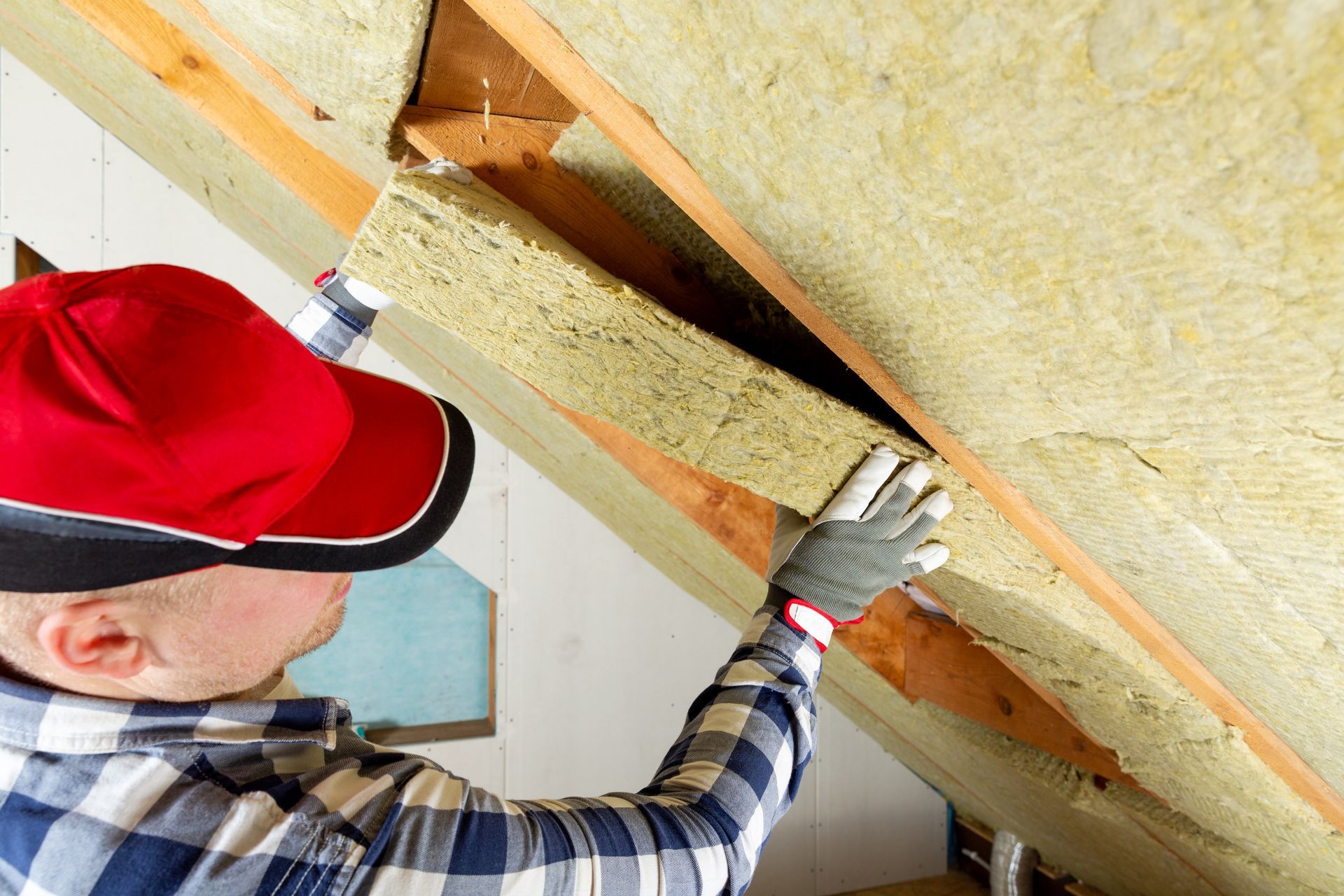
3. Fiberglass Batt Insulation
Fiberglass batts remain common in residential construction.
Advantages
- Affordable
- Easy installation
Limitations
- Does not stop air movement
- Performance depends heavily on installation quality
Many homeowners combine fiberglass with spray foam air sealing for improved performance.
Attic Insulation and HVAC Performance
The attic is one of the largest sources of energy loss in Colorado homes.
Poor attic insulation causes:
- Heat loss during winter
- Heat gain during summer
- Overheated upper floors
- Increased HVAC demand
Upgrading attic insulation can dramatically improve heating and cooling efficiency.
Recommended attic insulation levels for Colorado:
Spray foam and blow-in insulation are particularly effective for attic upgrades.
Crawl Spaces and HVAC Efficiency
Uninsulated crawl spaces allow cold air to infiltrate floors and duct systems.
This can cause:
- Cold floors
- Drafts
- Frozen pipes
- HVAC inefficiency
Encapsulating and insulating crawl spaces helps maintain stable temperatures beneath the home and reduces HVAC workload.
How Insulation Extends HVAC Lifespan
HVAC systems are expensive to replace. Reducing strain helps equipment last longer.
Benefits of Reduced HVAC Wear
- Fewer repairs
- Longer furnace lifespan
- Longer AC compressor life
- Lower maintenance costs
- Improved system reliability
Many HVAC systems in poorly insulated homes fail years earlier than expected because of excessive workload.
Energy Savings from Proper Insulation
According to the U.S. Department of Energy:
- Proper insulation and air sealing can reduce heating and cooling costs by up to 20–30%
These savings come from:
- Reduced HVAC runtime
- Improved thermal performance
- Better indoor temperature stability
Colorado homeowners often see immediate reductions in monthly utility bills after upgrading insulation.
Indoor Comfort Improvements
In addition to protecting HVAC systems, insulation greatly improves comfort.
Common Comfort Benefits
- More even temperatures
- Fewer drafts
- Reduced cold spots
- Better humidity control
- Quieter indoor environments
Spray foam insulation also reduces outside noise and improves indoor air quality by limiting dust and allergen infiltration.
Signs It’s Time to Upgrade Insulation
You may benefit from insulation improvements if:
- Your HVAC system runs constantly
- Utility bills continue rising
- Certain rooms are difficult to heat or cool
- The home feels drafty
- The attic lacks sufficient insulation depth
- Your home was built before modern energy codes
Older homes in Fort Collins, Greeley, and Loveland often have insulation systems that no longer meet today’s efficiency standards.
Frequently Asked Questions
Can insulation really lower HVAC repair costs?
Yes. Reduced system workload means less wear on motors, compressors, and other components.
What insulation type is best for HVAC efficiency?
Spray foam insulation offers the best overall performance because it combines insulation and air sealing.
Will attic insulation reduce AC usage in summer?
Absolutely. Proper attic insulation blocks heat gain and helps upper floors stay cooler.
Can poor insulation damage HVAC systems?
Over time, excessive workload can shorten system lifespan and increase breakdown frequency.
How quickly do homeowners notice improvements after insulating?
Many homeowners notice improved comfort and lower utility bills almost immediately.
Professional Insulation Services in Northern Colorado
Your HVAC system works hard to keep your home comfortable throughout Colorado’s changing seasons. Proper insulation helps protect that investment by reducing energy loss, improving efficiency, and minimizing equipment strain.
Sprayfoam Solutions LLC provides professional insulation services throughout Fort Collins, Greeley, Loveland, Longmont, Windsor, and surrounding Colorado communities. Our experienced team specializes in spray foam insulation, attic insulation, crawl space encapsulation, blow-in insulation, and complete air sealing solutions designed to improve home comfort and HVAC performance.
To schedule an insulation assessment or request a project estimate, visit https://sprayfoamsolutionsllc.com/ or call (970) 740-7780.