Introduction
When homeowners think about improving energy efficiency, insulation is usually the first thing that comes to mind. While insulation is extremely important, many people overlook another critical component of home performance: air sealing.
Even the best insulation materials cannot perform effectively if air is freely leaking in and out of the home. Tiny gaps around windows, attics, crawl spaces, ductwork, plumbing penetrations, and framing joints can allow conditioned air to escape and outdoor air to enter. This creates drafts, uneven temperatures, higher utility bills, and increased strain on HVAC systems.
In Colorado’s climate—where freezing winters, strong winds, and rapid temperature swings are common—air sealing plays a major role in maintaining indoor comfort and energy efficiency. Homes throughout Fort Collins, Greeley, Loveland, Longmont, Windsor, and surrounding Northern Colorado communities often lose significant amounts of energy because of hidden air leaks.
This guide explains why air sealing matters, how it works with insulation, and why combining the two creates one of the most effective energy-efficiency upgrades available for Colorado homeowners.
What Is Air Sealing?
Air sealing is the process of identifying and closing gaps, cracks, and openings in a home’s building envelope to reduce uncontrolled airflow.
These leaks may exist around:
- Windows and doors
- Attic penetrations
- Recessed lighting
- Plumbing and wiring openings
- Rim joists
- Crawl spaces
- HVAC duct penetrations
- Basement walls
While many leaks appear small, the combined effect can equal leaving a window open year-round.
How Air Leakage Affects Your Home
Air naturally moves from high-pressure areas to low-pressure areas. During winter:
- Warm indoor air escapes upward through attics and ceilings
- Cold outdoor air enters through lower-level leaks
During summer:
- Hot outdoor air infiltrates the home
- Cool conditioned air escapes outside
This continuous airflow reduces comfort and forces HVAC systems to work harder.
Why Insulation Alone Is Not Enough
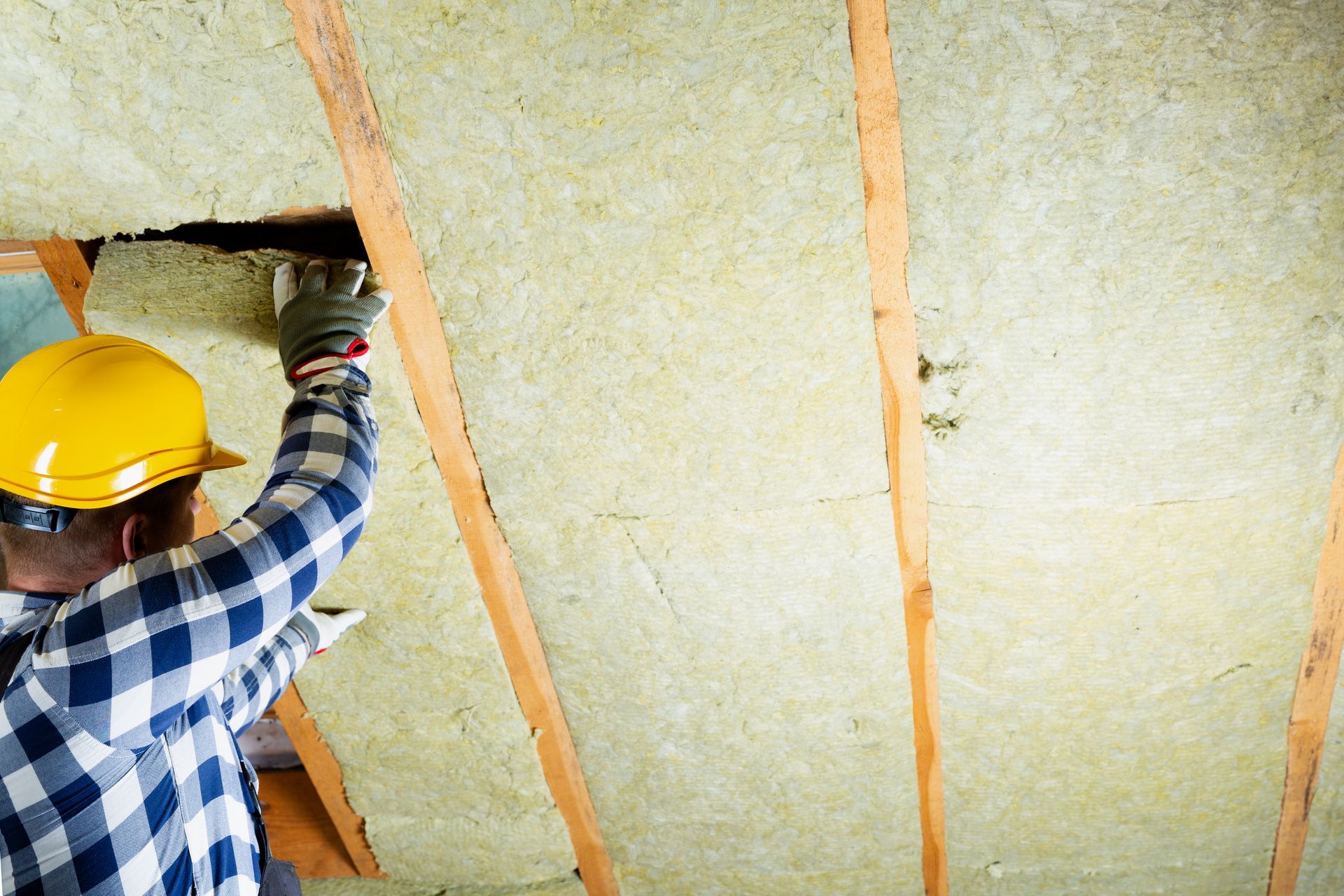
Many homeowners assume adding insulation automatically solves efficiency problems. However, insulation primarily slows heat transfer—it does not always stop airflow.
Example
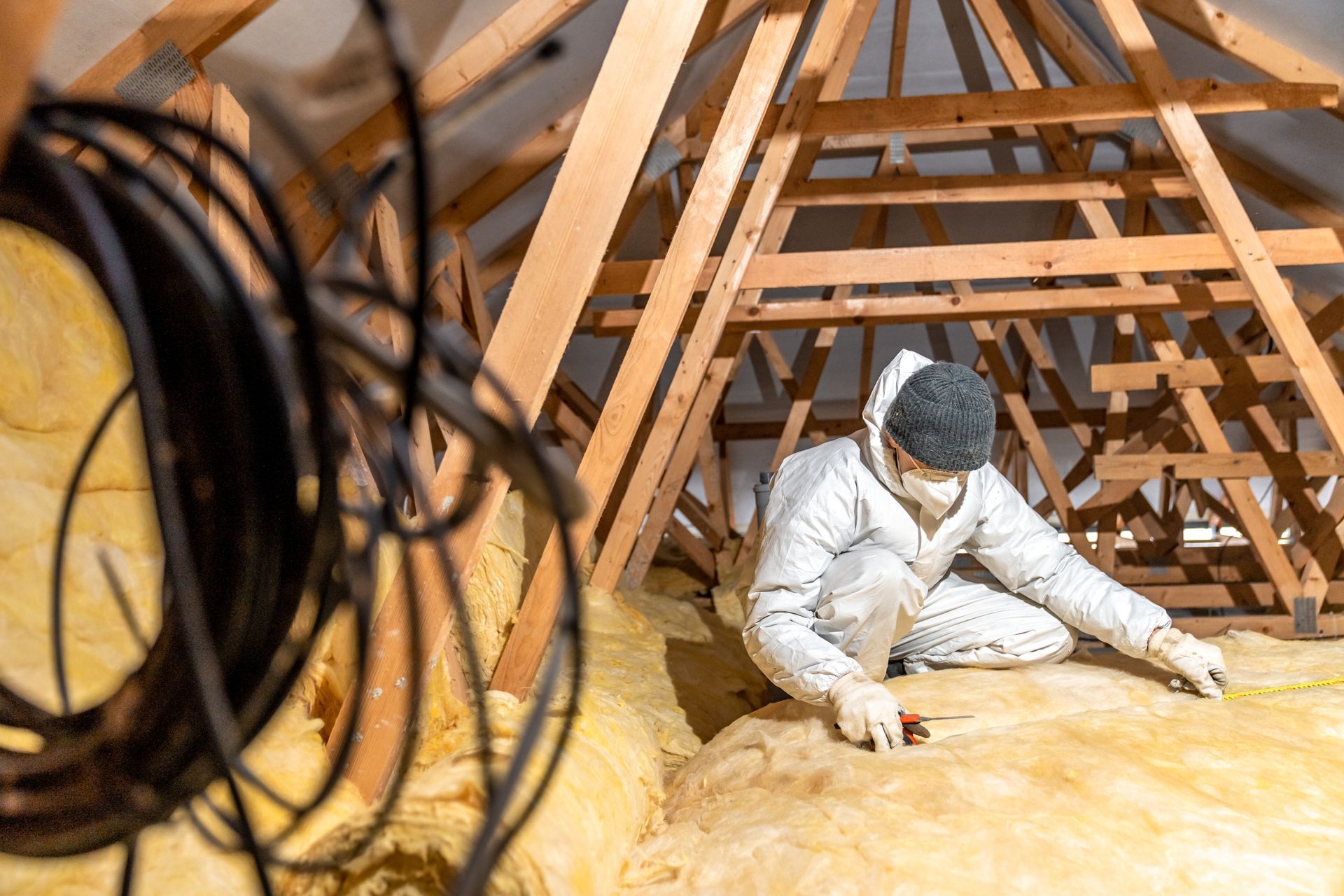
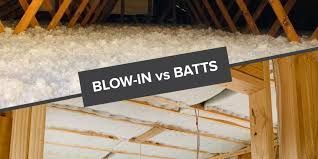
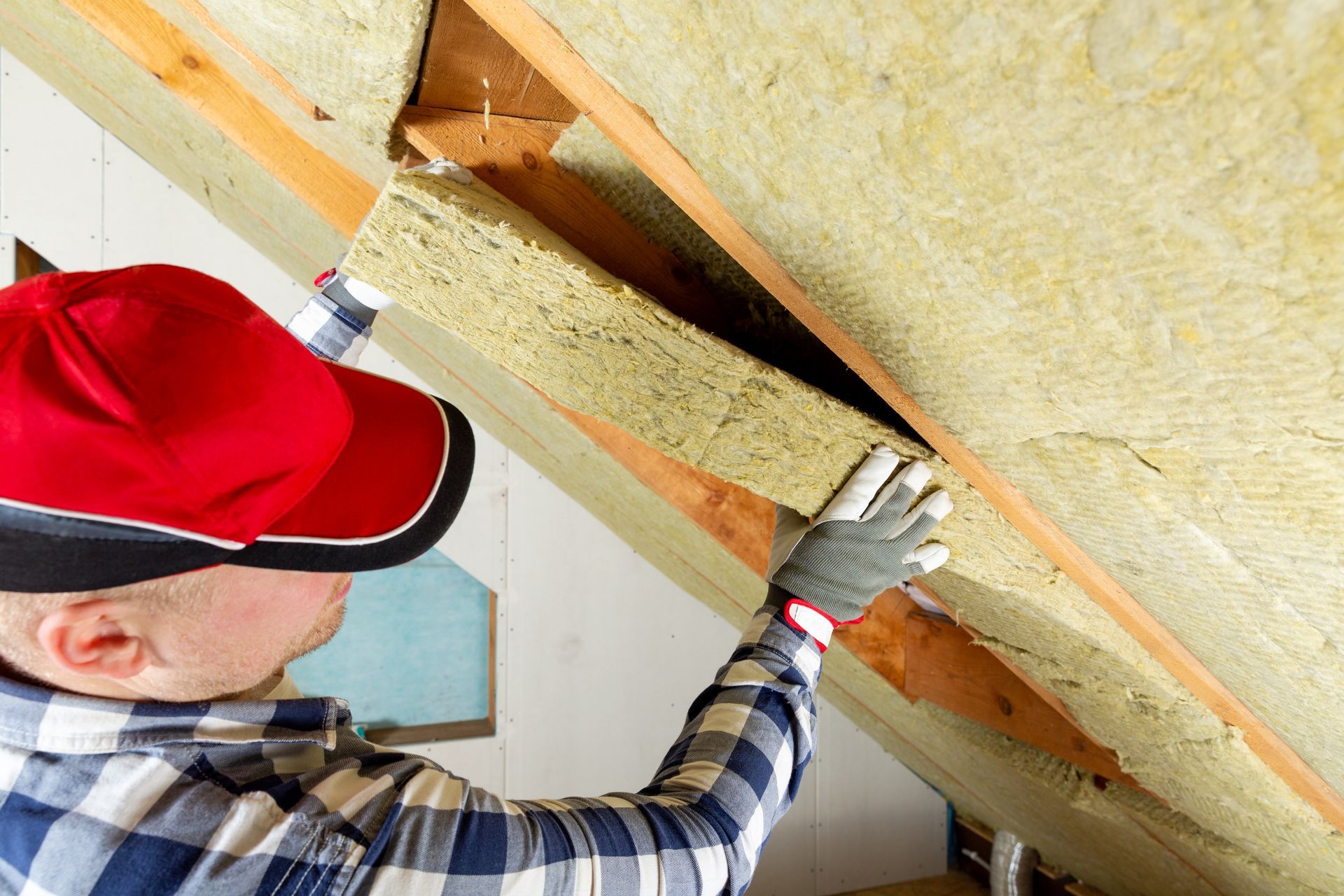
Fiberglass batt insulation can lose much of its effectiveness if air moves through or around it.
Without proper air sealing:
- Drafts continue
- Heat escapes
- Moisture infiltrates
- HVAC systems overwork
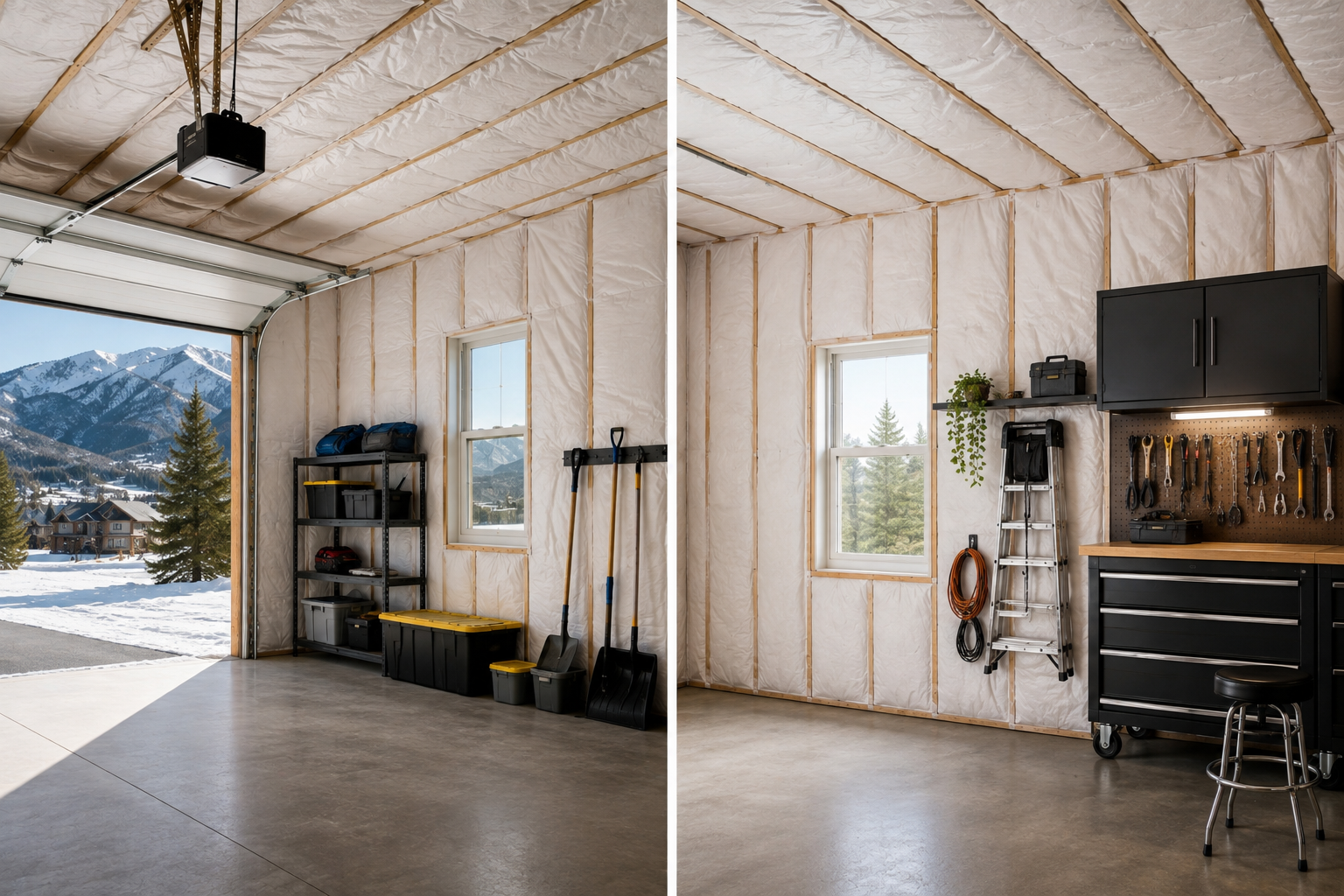
This is why high-performance homes combine:
- Insulation
- Air sealing
for maximum efficiency.
Common Signs Your Home Needs Air Sealing
Many Colorado homeowners experience symptoms of air leakage without realizing the cause.
Common Warning Signs
- Drafty rooms
- High heating and cooling bills
- Uneven indoor temperatures
- Cold floors during winter
- Hot upstairs rooms during summer
- Dust buildup indoors
- Ice dams on roofs
- HVAC systems running constantly
- Moisture or condensation problems
These issues often point to hidden gaps and insufficient air sealing.
The Biggest Sources of Air Leaks
Attics
Attics are one of the largest sources of energy loss.
Common Attic Leak Areas
- Recessed lighting fixtures
- Plumbing vents
- Chimney gaps
- Attic access hatches
- Wiring penetrations
Warm air escaping into the attic contributes to:
- Energy loss
- Ice dams
- Moisture buildup
Crawl Spaces and Rim Joists
Crawl spaces allow outdoor air to infiltrate beneath the home.
Common problems include:
- Cold floors
- Drafts
- Frozen pipes
- Moisture intrusion
Rim joists are particularly vulnerable because they often contain numerous gaps and penetrations.
Windows and Doors
Even small openings around window and door frames can create noticeable drafts and energy loss.
Weatherstripping and spray foam sealing help improve efficiency in these areas.
Basements
Foundation cracks, utility penetrations, and unfinished walls allow cold air and moisture to enter basements.
Proper sealing improves:
- Comfort
- Moisture control
- Indoor air quality
How Spray Foam Insulation Helps with Air Sealing
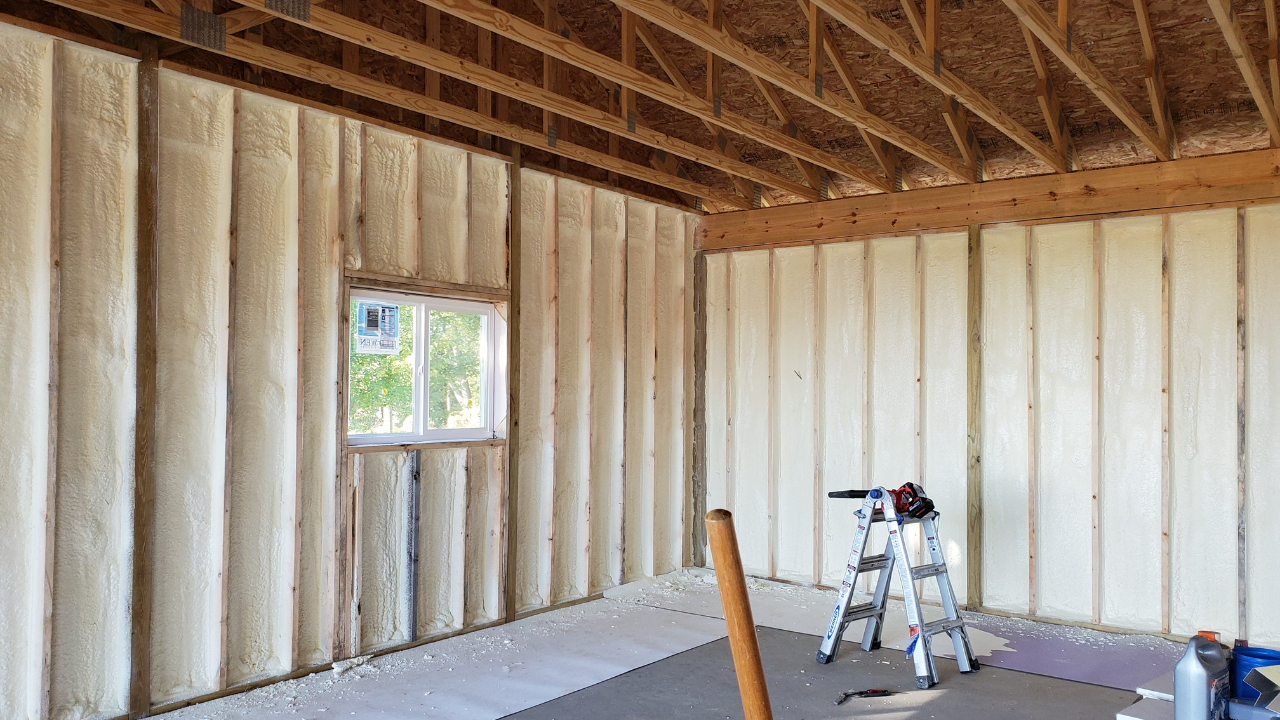
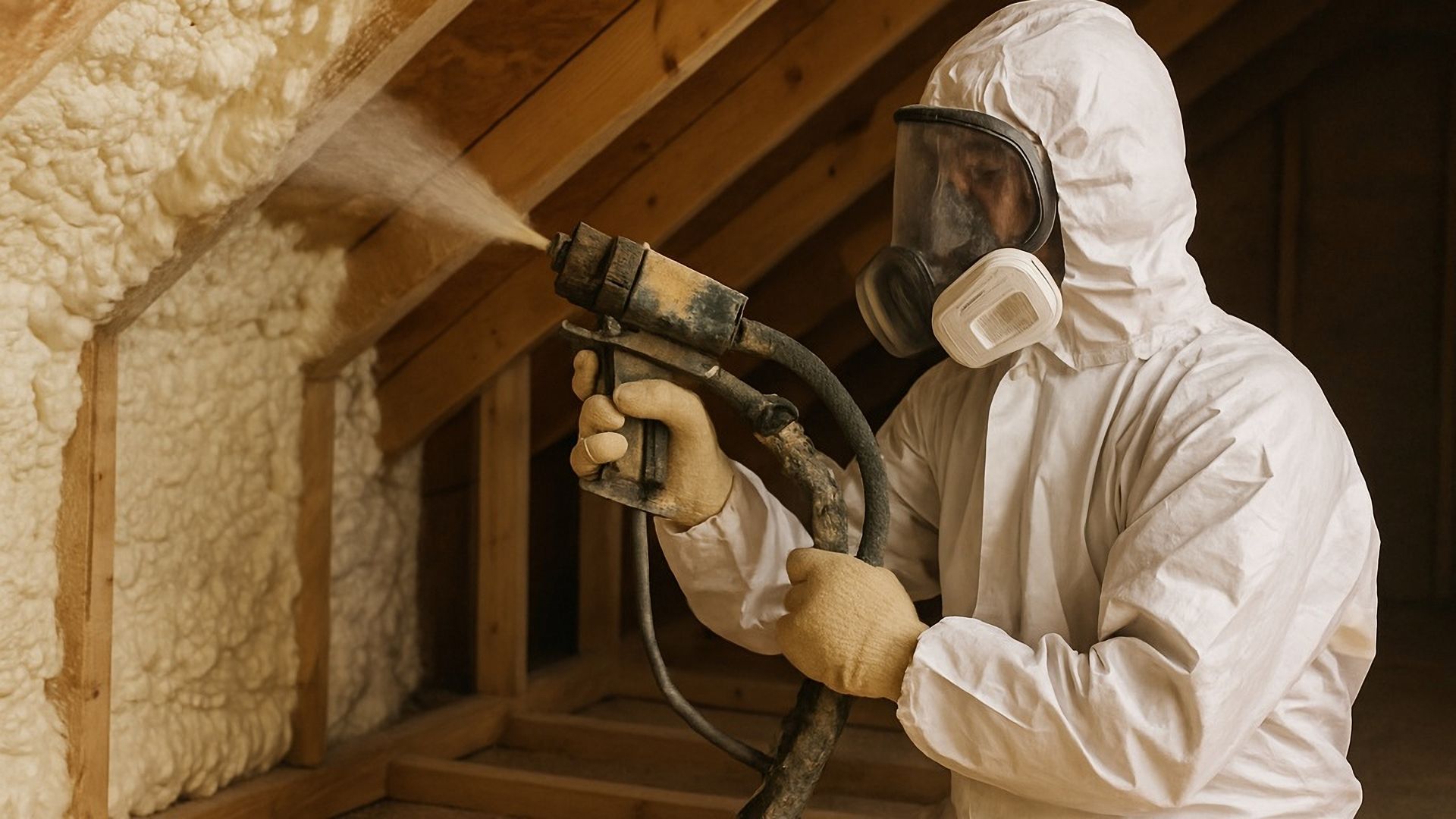
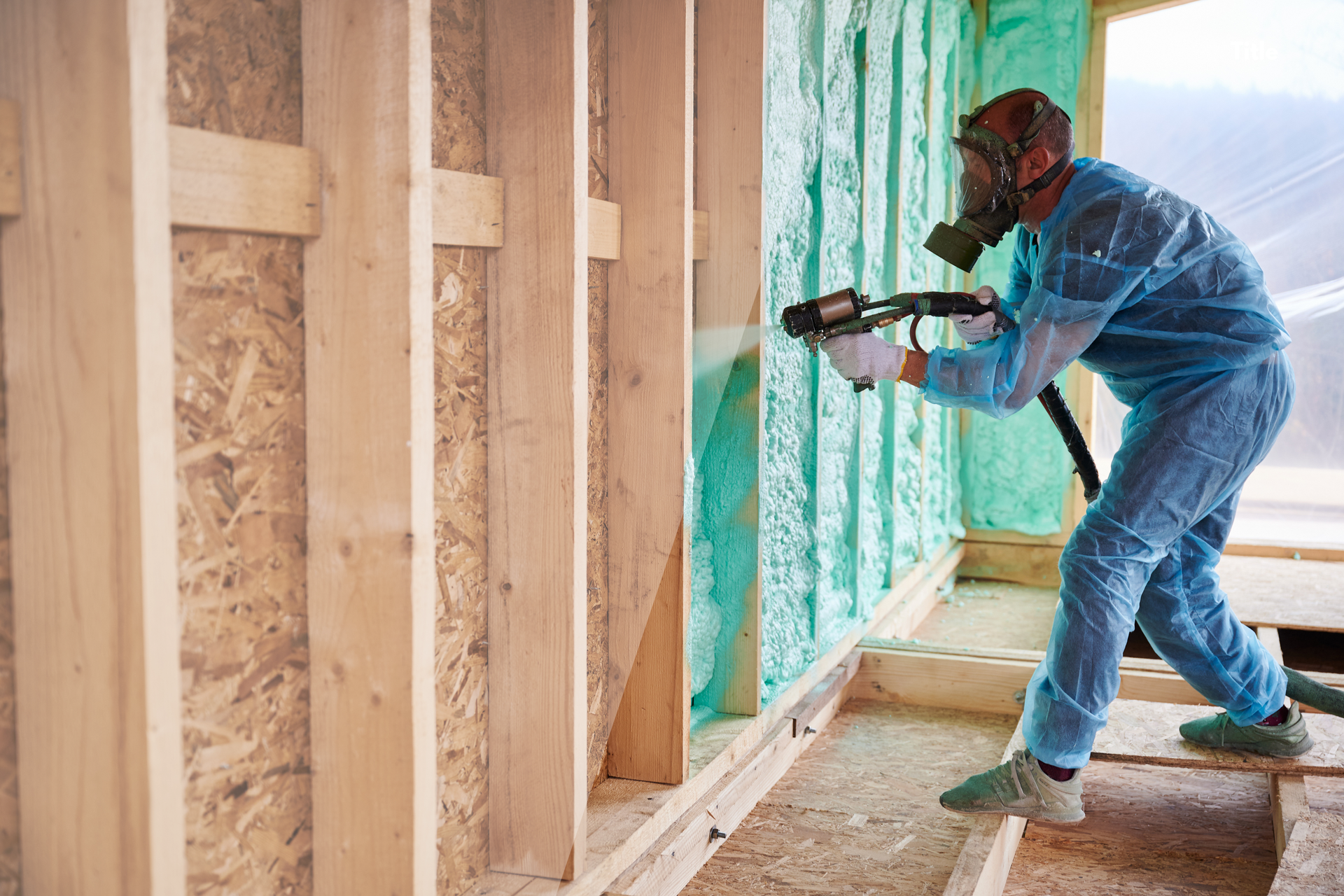
Spray foam insulation is one of the most effective air sealing solutions because it:
- Expands to fill gaps
- Creates an airtight barrier
- Insulates simultaneously
Unlike fiberglass or cellulose, spray foam stops both:
- Heat transfer
- Air movement
This makes it especially effective for Colorado homes.
Open-Cell vs. Closed-Cell Spray Foam
Open-Cell Spray Foam
- Softer and more flexible
- Excellent sound reduction
- Expands aggressively to fill gaps
Ideal for:
- Interior walls
- Ceilings
- Soundproofing
Closed-Cell Spray Foam
- Dense and rigid
- Higher R-value
- Strong moisture resistance
Ideal for:
- Attics
- Crawl spaces
- Basements
- Exterior walls
Closed-cell spray foam is especially valuable in Colorado’s cold climate because it provides both insulation and moisture protection.
Energy Savings from Air Sealing
According to the U.S. Department of Energy:
- Air sealing and insulation upgrades can reduce heating and cooling costs by up to 20–30%
Reducing air leakage helps:
- Stabilize indoor temperatures
- Lower HVAC runtime
- Improve overall energy efficiency
Many homeowners notice immediate reductions in utility bills after professional air sealing.
Improved Indoor Comfort
Air sealing dramatically improves comfort throughout the home.
Benefits Include
- Fewer drafts
- More even temperatures
- Warmer floors during winter
- Cooler upstairs rooms during summer
- Better humidity control
This creates a more comfortable living environment year-round.
How Air Sealing Protects HVAC Systems
When conditioned air escapes through leaks, HVAC systems must work harder to maintain comfort.
This leads to:
- Longer run times
- More frequent cycling
- Increased wear and tear
- Higher repair costs
Air sealing reduces HVAC strain and can help extend equipment lifespan.
Moisture Control Benefits
Air leaks often carry moisture into wall cavities, attics, and crawl spaces.
Over time, this can cause:
- Mold growth
- Wood rot
- Damaged insulation
- Structural deterioration
Closed-cell spray foam helps prevent moisture infiltration by creating a vapor-resistant barrier.
Indoor Air Quality Improvements
Air leaks allow:
- Dust
- Pollen
- Outdoor pollutants
- Allergens
to enter the home.
Proper air sealing improves indoor air quality by limiting uncontrolled airflow and contaminant infiltration.
This is especially important during:
- Wildfire season
- Windy weather
- Allergy seasons in Colorado
Noise Reduction Benefits
Air leaks also allow sound to travel more easily.
Sealing gaps and adding insulation helps reduce:
- Outdoor traffic noise
- Wind noise
- Noise transfer between rooms
Spray foam insulation provides especially strong acoustic performance.
Air Sealing and Ice Dam Prevention
Many Colorado homes experience ice dams during winter because warm air escapes into the attic.
Air sealing helps:
- Maintain consistent attic temperatures
- Reduce roof snow melt
- Prevent dangerous ice buildup
This protects roofs, gutters, and interior ceilings from water damage.
Most Important Areas to Air Seal
Priority Areas Include
- Attics
- Rim joists
- Crawl spaces
- Around windows and doors
- Basement penetrations
- HVAC duct connections
Professional inspections can identify hidden leakage points throughout the home.
Professional Energy Assessments
Contractors often use:
- Blower door testing
- Infrared imaging
- Moisture detection equipment
to locate air leaks and evaluate home performance.
These assessments help determine:
- Where energy loss occurs
- Which insulation upgrades are needed
- How air sealing can improve efficiency
DIY vs. Professional Air Sealing
Some minor air sealing projects can be completed by homeowners, such as:
- Weatherstripping doors
- Caulking small gaps
However, professional installation is often necessary for:
- Spray foam insulation
- Attic air sealing
- Crawl space encapsulation
- Large leakage areas
Improper installation can reduce performance or create ventilation issues.
Frequently Asked Questions
Is air sealing really necessary if I already have insulation?
Yes. Insulation alone cannot stop airflow. Air sealing is essential for maximizing insulation performance.
What is the best material for air sealing?
Spray foam insulation is one of the most effective solutions because it both insulates and seals air leaks.
Can air sealing lower utility bills?
Absolutely. Many homeowners see significant reductions in heating and cooling costs after air sealing upgrades.
Will air sealing make my home too airtight?
Professional contractors ensure homes remain properly ventilated while reducing unnecessary air leakage.
Does air sealing help with allergies?
Yes. Reducing outdoor air infiltration helps limit dust, pollen, and airborne pollutants.
Professional Air Sealing Services in Northern Colorado
Air sealing is one of the most important steps in creating a comfortable, energy-efficient home. When combined with proper insulation, it helps reduce energy loss, improve indoor comfort, and protect your home from moisture and HVAC strain.
Sprayfoam Solutions LLC provides professional air sealing and insulation services throughout Fort Collins, Greeley, Loveland, Longmont, Windsor, and surrounding Colorado communities. Our team specializes in spray foam insulation, attic air sealing, crawl space encapsulation, blow-in insulation, fiberglass installation, and complete energy-efficiency solutions tailored for Colorado homes.
To schedule an insulation and air sealing assessment or request a project estimate, visit
https://sprayfoamsolutionsllc.com/ or call
(970) 740-7780.