Introduction
When homeowners think about insulation, they usually focus on attics and walls. However, one of the most overlooked areas of the home is the crawl space. In Colorado, where temperatures fluctuate dramatically throughout the year, an uninsulated crawl space can create major problems for comfort, energy efficiency, and indoor air quality.
Cold floors in winter, musty odors, frozen pipes, and rising utility bills are often signs that your crawl space needs attention. Proper crawl space insulation helps protect your home from these issues by creating a barrier against outdoor temperatures, moisture, and air infiltration.
Whether you own an older home in
Fort Collins, a newer property in
Loveland, or a rural home near
Greeley or Windsor, investing in crawl space insulation can deliver long-term savings and improved comfort year-round.
What Is a Crawl Space?
A crawl space is a shallow area beneath a home that provides access to plumbing, electrical systems, and ductwork. Unlike a basement, crawl spaces are typically unfinished and may have exposed soil floors or concrete foundations.
Because crawl spaces are located directly beneath the living area, the conditions inside them significantly affect:
- Indoor temperatures
- Moisture levels
- Air quality
- Energy efficiency
Unfortunately, many crawl spaces in older Colorado homes were built with little or no insulation.
Why Crawl Spaces Cause Problems in Colorado Homes
Colorado’s climate presents unique challenges for crawl spaces:
- Freezing winter temperatures
- Snowmelt and seasonal moisture
- Dry air combined with temperature swings
- Wind exposure in rural and mountain areas
Without proper insulation and air sealing, crawl spaces become pathways for:
- Heat loss
- Drafts
- Moisture intrusion
- Pest entry
- Frozen plumbing lines
Because warm air naturally rises, cold air entering through the crawl space can create uncomfortable temperature imbalances throughout the home.
Signs Your Crawl Space Needs Insulation
Many homeowners are unaware their crawl space is causing energy and comfort problems. Common warning signs include:
- Cold floors during winter
- Drafts near baseboards
- Musty odors inside the home
- High heating and cooling bills
- Excess humidity or condensation
- Mold or mildew growth
- Frozen pipes during cold weather
- Uneven indoor temperatures
If you notice any of these issues, your crawl space may be poorly insulated or improperly sealed.
Benefits of Crawl Space Insulation
1. Lower Energy Bills
One of the biggest advantages of crawl space insulation is improved energy efficiency. Without insulation, heat escapes through the floor system and cold air enters from below.
Insulating the crawl space reduces heat transfer and helps your HVAC system maintain stable indoor temperatures more efficiently.
According to the U.S. Department of Energy, properly insulating floors and crawl spaces can significantly reduce heating and cooling costs.
2. Improved Indoor Comfort
Cold floors are one of the most common complaints in homes with uninsulated crawl spaces. Proper insulation creates a thermal barrier beneath the living space, making floors warmer and rooms more comfortable.
This is especially important during Colorado winters, when outdoor temperatures can drop well below freezing overnight.
3. Better Moisture Control
Moisture is a major concern in crawl spaces. Ground moisture, condensation, and air leaks can create damp conditions that lead to:
- Mold growth
- Wood rot
- Pest infestations
- Structural damage
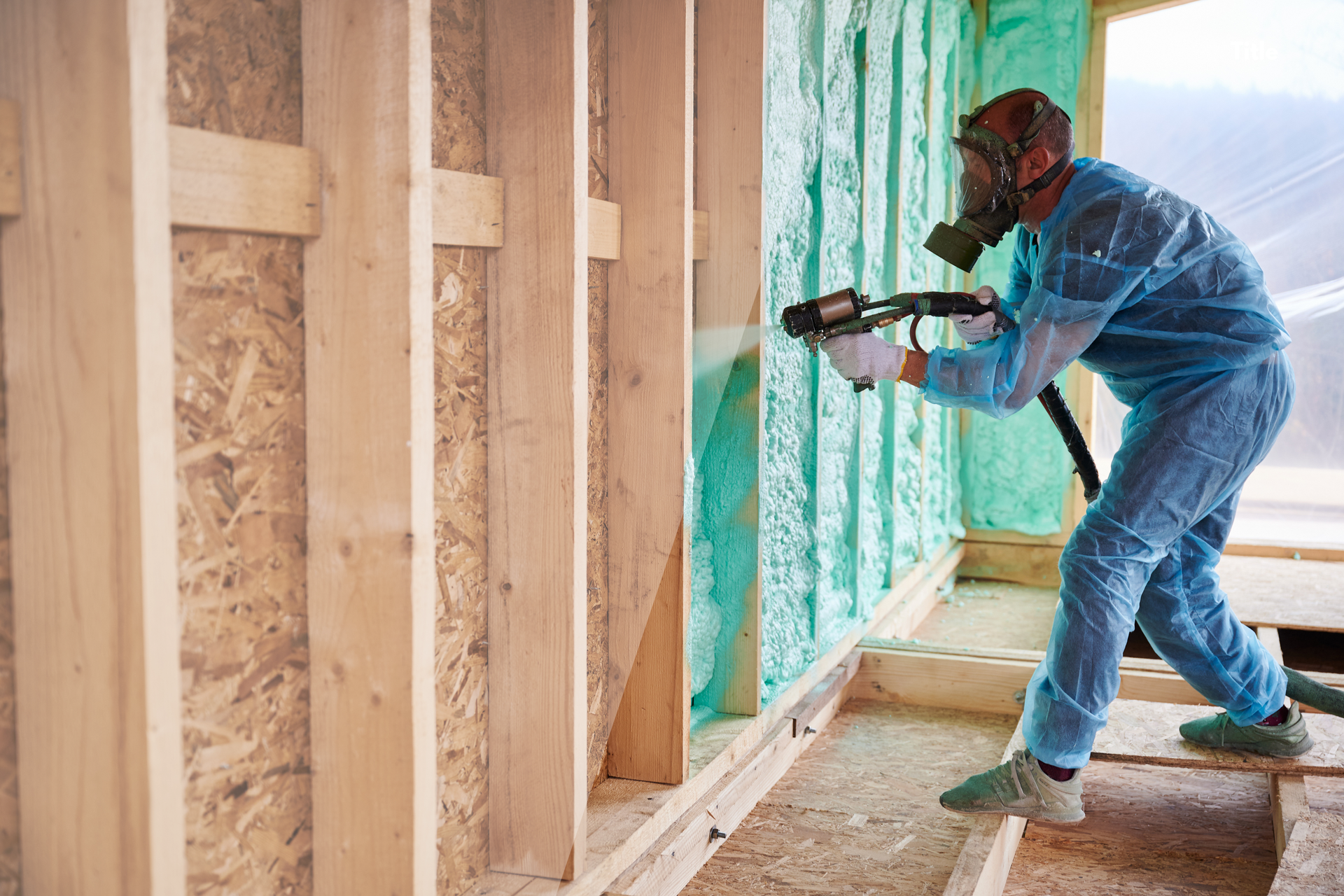
Closed-cell spray foam insulation helps block moisture infiltration while also sealing air leaks. Vapor barriers can further protect crawl spaces from ground humidity.
4. Protection Against Frozen Pipes
Pipes located in crawl spaces are vulnerable during freezing weather. Insulating and sealing the crawl space helps maintain warmer temperatures around plumbing lines, reducing the risk of costly frozen or burst pipes.
5. Improved Indoor Air Quality
Many homeowners don’t realize that up to 50% of the air inside a home can originate from the crawl space due to natural airflow patterns.
If the crawl space contains mold, dust, or moisture, those contaminants can circulate into the living space. Proper insulation and air sealing help keep pollutants out of your home.
Best Insulation Types for Crawl Spaces
1. Closed-Cell Spray Foam Insulation
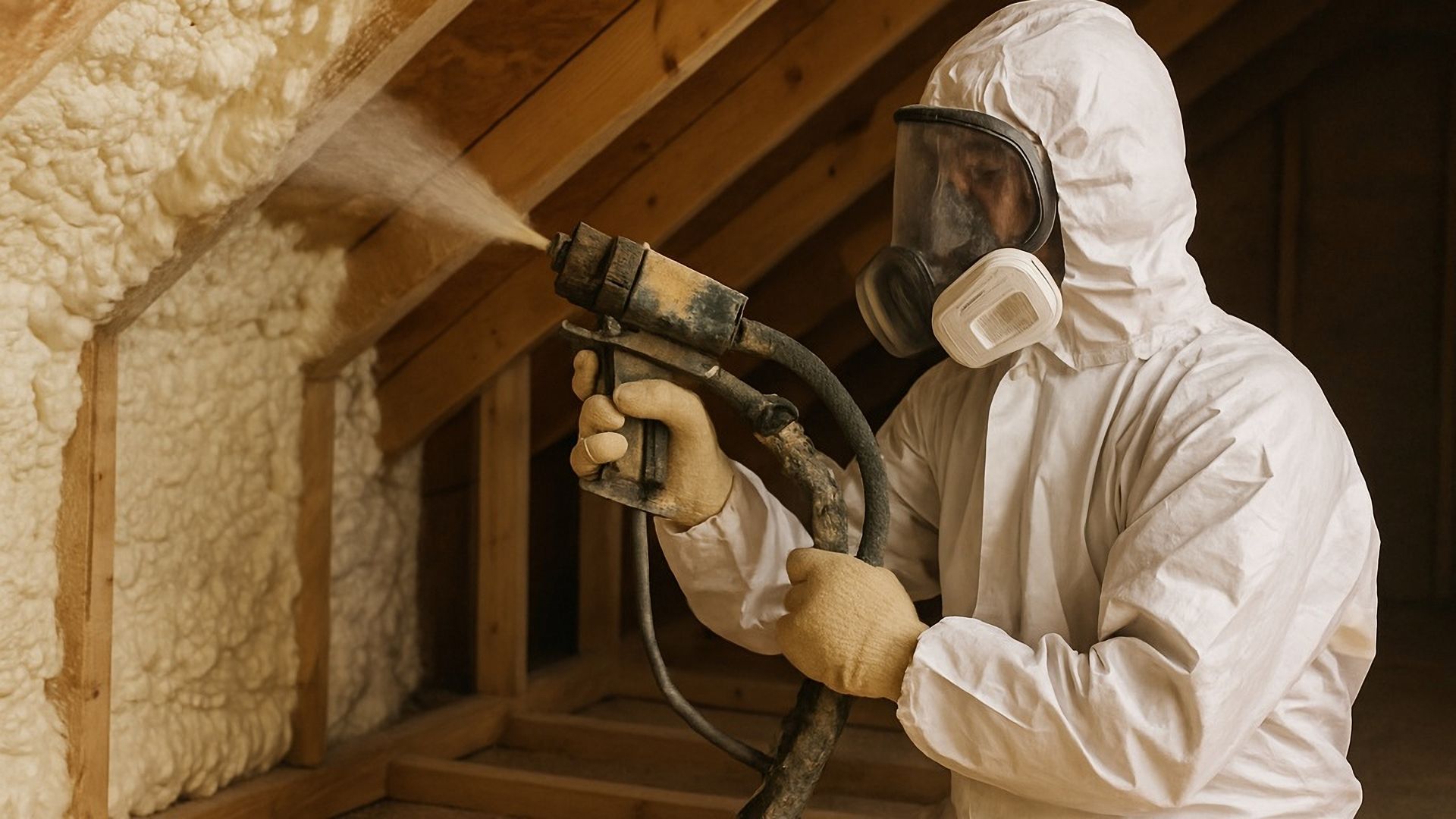
Closed-cell spray foam is considered the best option for Colorado crawl spaces because it provides:
- High R-value
- Air sealing
- Moisture resistance
- Structural reinforcement
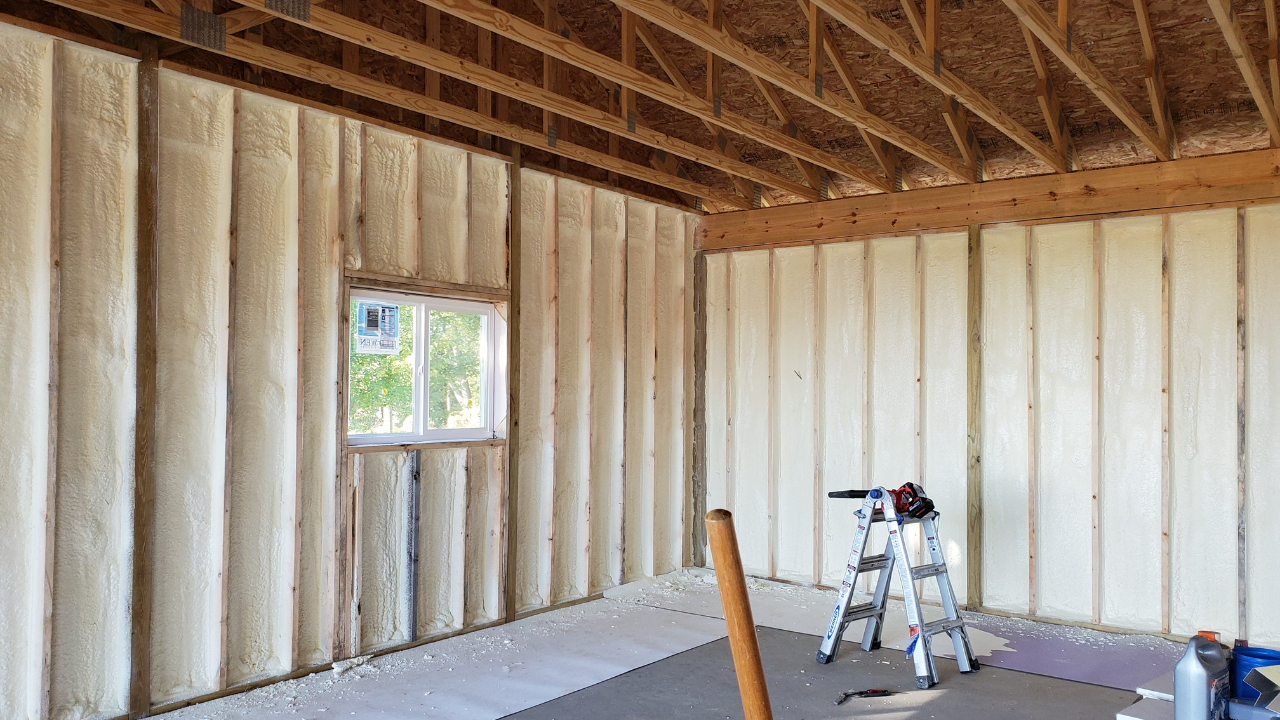
It adheres directly to foundation walls and floor joists, creating a continuous thermal barrier.
Advantages:
- Excellent moisture protection
- Prevents drafts and air leakage
- Long lifespan
- Resistant to mold and pests
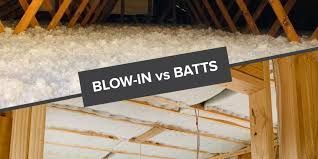
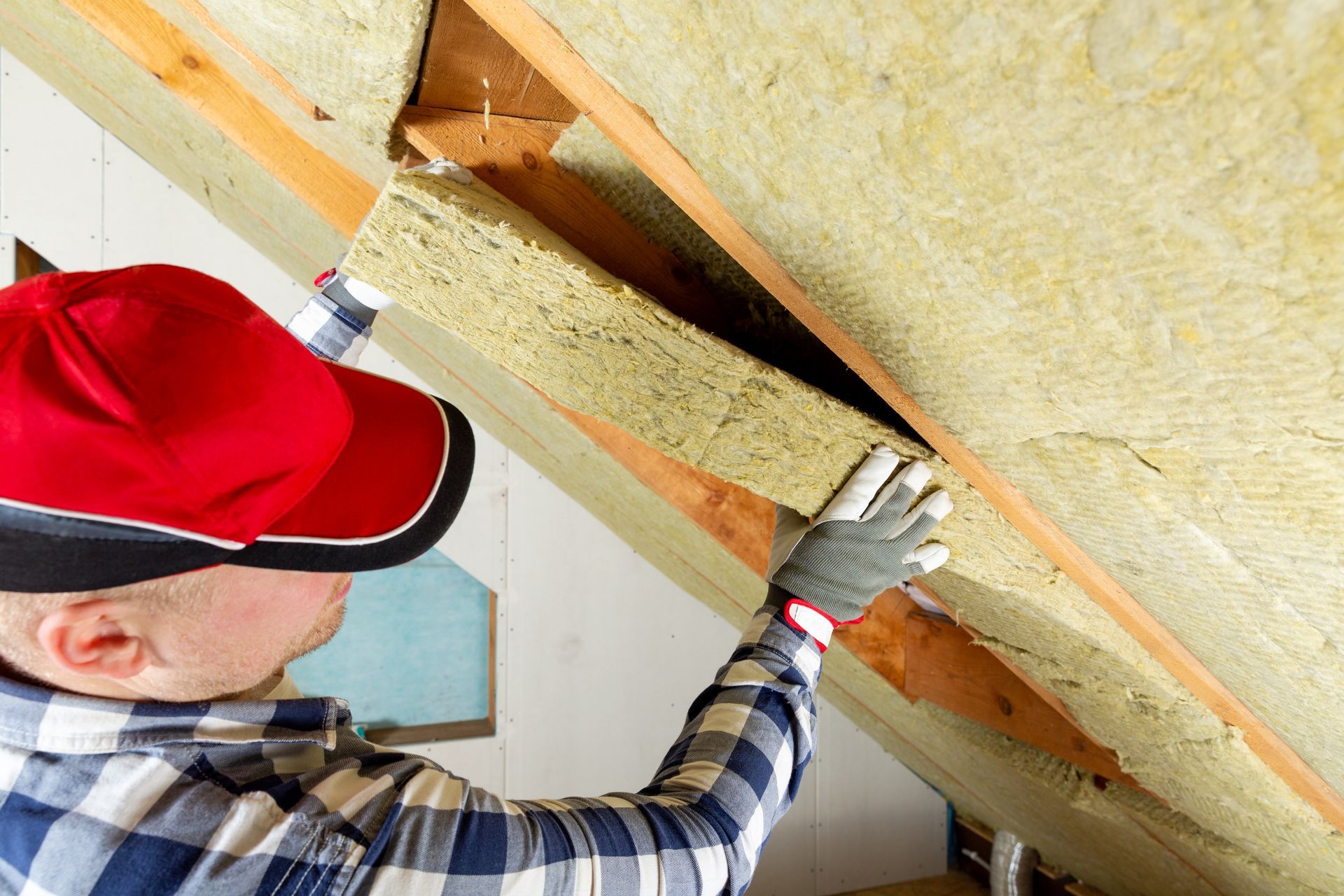
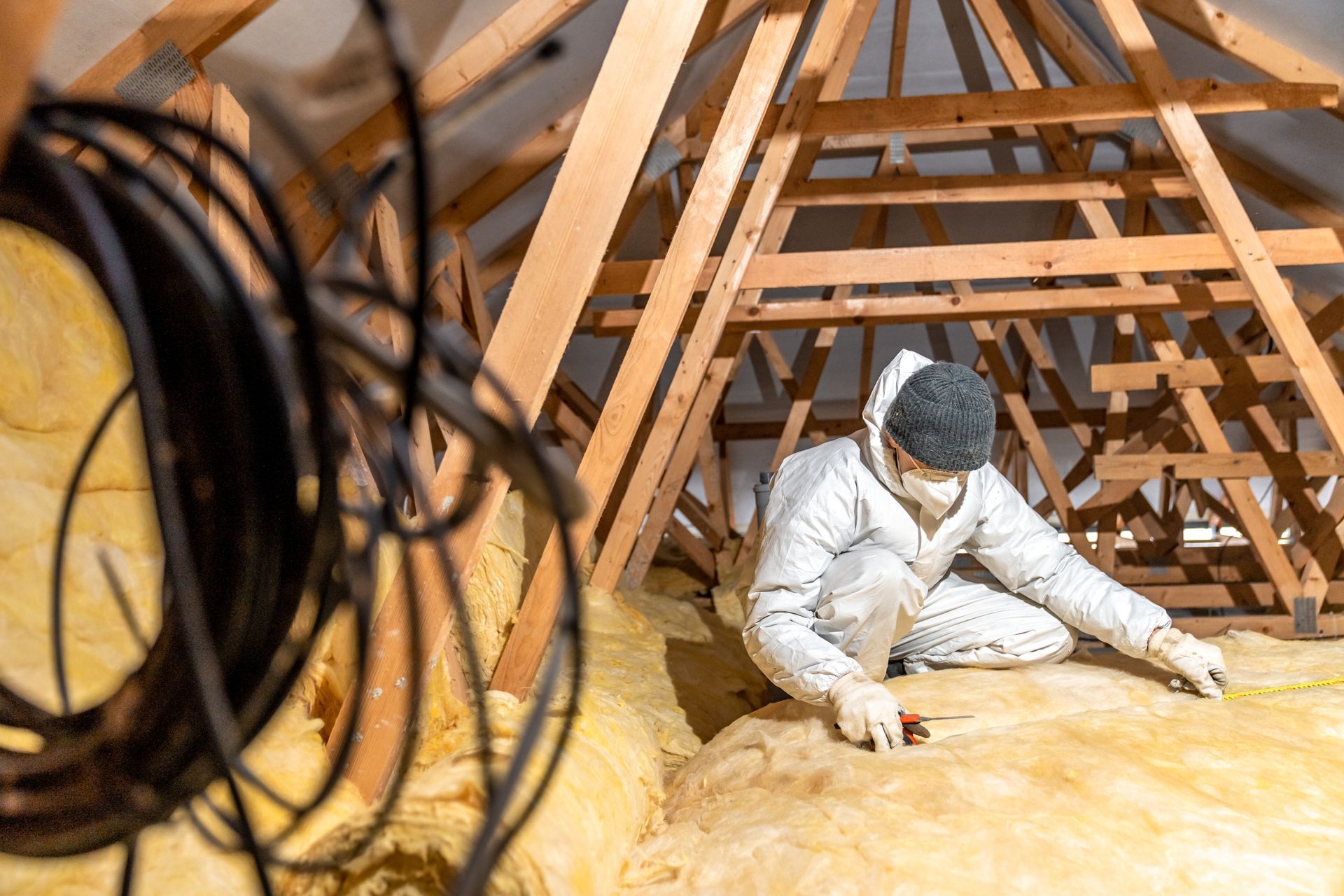
2. Fiberglass Batt Insulation
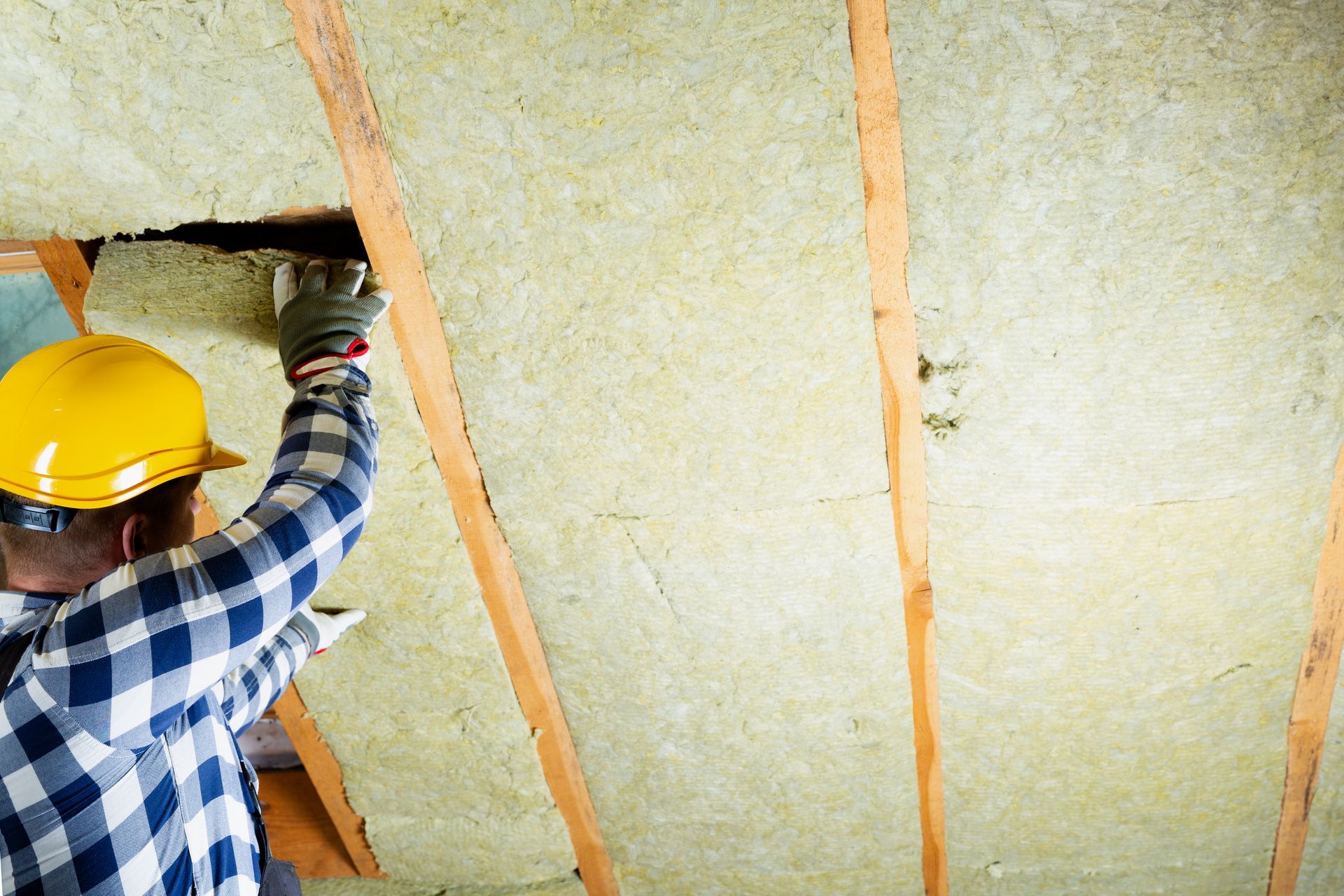
Fiberglass batts are a more affordable option and are commonly installed between floor joists.
Advantages:
- Lower upfront cost
- Easy installation in open joist systems
Disadvantages:
- Can sag over time
- Vulnerable to moisture damage
- Does not stop air leaks
In Colorado crawl spaces, fiberglass often performs best when combined with vapor barriers and air sealing.
3. Rigid Foam Board Insulation
Rigid foam boards provide continuous insulation along crawl space walls.
Advantages:
- Good moisture resistance
- High R-value
- Durable and long-lasting
Rigid boards are often used in encapsulated crawl spaces or combined with spray foam systems.
Crawl Space Encapsulation vs. Venting
For many years, crawl spaces were designed with vents to allow airflow. However, modern building science has shown that vented crawl spaces often create more moisture and temperature problems than they solve.
Encapsulated Crawl Spaces
An encapsulated crawl space is sealed from outside air using:
- Vapor barriers
- Spray foam insulation
- Sealed vents
- Controlled humidity systems
This creates a conditioned environment beneath the home and significantly improves efficiency and moisture control.
Vented Crawl Spaces
Traditional vented crawl spaces allow outside air to circulate freely, which can introduce:
- Moisture
- Cold drafts
- Dust and allergens
In Colorado’s climate, encapsulation is often the more effective long-term solution.
Recommended R-Values for Colorado Crawl Spaces
The Department of Energy recommends:
- R-25 to R-30 for floors over crawl spaces in Colorado climate zones
Closed-cell spray foam can achieve these levels with less thickness than fiberglass or cellulose.
Energy Savings and Return on Investment
Although crawl space insulation may not be visible like kitchen remodels or flooring upgrades, it offers substantial financial benefits:
- Lower monthly utility bills
- Reduced HVAC strain
- Fewer moisture-related repairs
- Increased home value
Most homeowners begin seeing noticeable energy savings immediately after installation.
Common Crawl Space Insulation Mistakes
1. Installing Insulation Without Air Sealing
Insulation alone does not stop drafts. Air leaks must be sealed first.
2. Ignoring Moisture Problems
Adding insulation without addressing water intrusion can trap moisture and create mold issues.
3. Using the Wrong Insulation Material
Fiberglass may fail in damp environments without proper protection.
4. Blocking Ventilation Improperly
Vent changes should be part of a complete encapsulation strategy.
5. DIY Installation Errors
Poor installation can lead to gaps, sagging insulation, or trapped moisture.
Frequently Asked Questions
Is crawl space insulation worth it in Colorado?
Yes. Colorado’s cold winters and temperature swings make crawl space insulation highly beneficial for comfort and efficiency.
What is the best insulation for crawl spaces?
Closed-cell spray foam is typically the most effective because it provides insulation, air sealing, and moisture protection in one application.
Can crawl space insulation help with indoor air quality?
Absolutely. Sealing and insulating the crawl space reduces moisture, dust, and mold circulation into living spaces.
How long does crawl space insulation last?
Spray foam insulation can last over 30 years with minimal maintenance.
Will crawl space insulation stop frozen pipes?
It greatly reduces the risk by keeping crawl space temperatures more stable during winter.
Professional Crawl Space Insulation in Northern Colorado
An uninsulated crawl space can affect every part of your home—from energy bills to indoor comfort and air quality. Proper insulation and moisture control provide lasting protection and efficiency for Colorado homeowners.
Sprayfoam Solutions LLC offers professional crawl space insulation services throughout
Fort Collins, Greeley, Loveland, Longmont, Windsor, and surrounding Colorado communities. Our team specializes in spray foam insulation, vapor barriers, and crawl space encapsulation systems designed specifically for Colorado’s climate conditions.