Introduction
Older homes across Colorado are known for their charm and character, but they’re also notorious for poor insulation—especially in the attic. If your home was built before the early 2000s, chances are it’s losing valuable heat through gaps, thin insulation layers, or outdated materials.
Proper attic insulation is critical in our state’s variable climate, where winters bring frigid temperatures and summers can reach well above 90°F. Unfortunately, many homeowners unknowingly make costly mistakes when insulating or upgrading their attics. These errors can lead to higher utility bills, moisture problems, and even structural damage over time.
Below, we’ll explore the
most common attic insulation mistakes seen in older Colorado homes and how to avoid them with expert help from
Sprayfoam Solutions LLC.
Why Attic Insulation Matters in Colorado’s Climate
In homes without adequate insulation, attics become the primary escape route for heat during winter. Warm air rises, and without a proper thermal barrier, that heat slips through the ceiling and roof. In summer, the process reverses—hot air builds up in the attic and radiates down into living areas.
Upgrading attic insulation prevents these issues by:
- Reducing heat transfer through the roof
- Preventing drafts and uneven room temperatures
- Lowering energy bills by 20–30%
- Reducing the risk of ice dams in winter
- Improving indoor comfort and air quality
However, the benefits only come if the insulation is installed correctly and maintained properly.
Common Attic Insulation Mistakes to Avoid
1. Ignoring Air Leaks Before Adding Insulation
Many homeowners assume that simply adding more insulation will solve comfort issues. In reality, insulation
doesn’t stop air leaks—it only slows heat transfer.
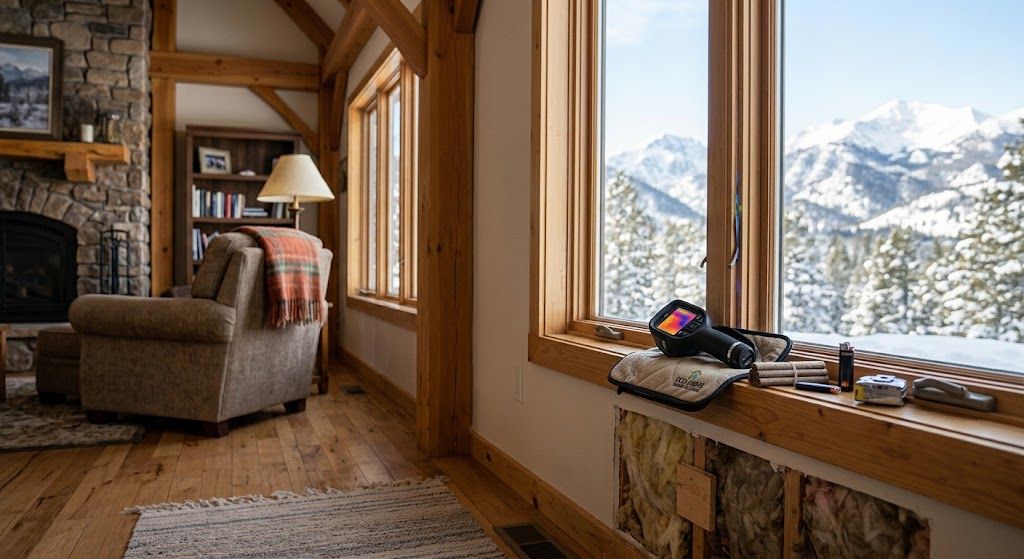
If your attic has cracks or gaps around light fixtures, vents, chimneys, or framing joints, air will continue to leak through, regardless of insulation thickness. These leaks can account for
up to 25% of heat loss in an average home.
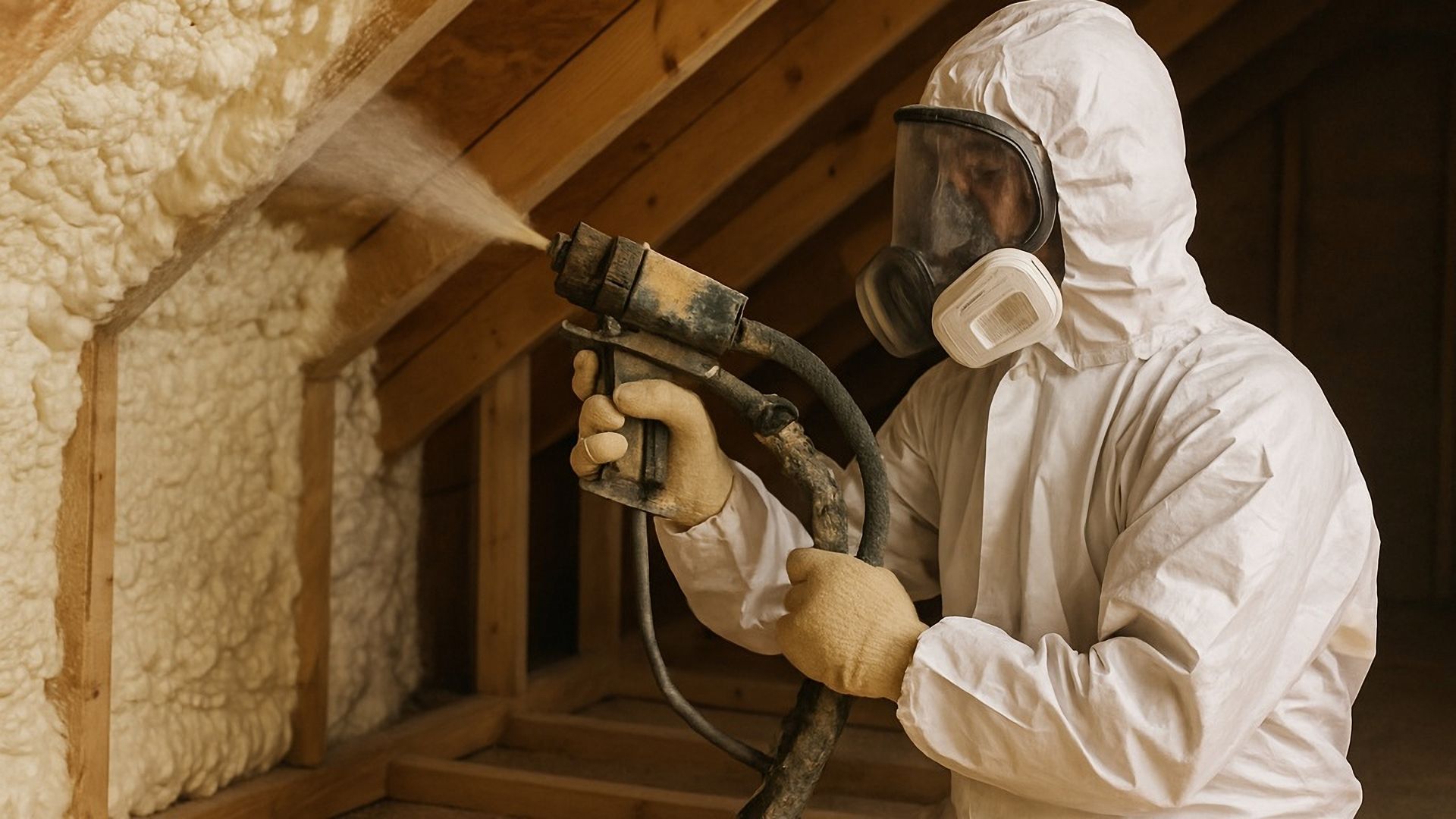
Solution: Always seal air leaks first using spray foam or caulk. Closed-cell spray foam is particularly effective for sealing gaps before adding additional insulation layers.
2. Using the Wrong Type of Insulation
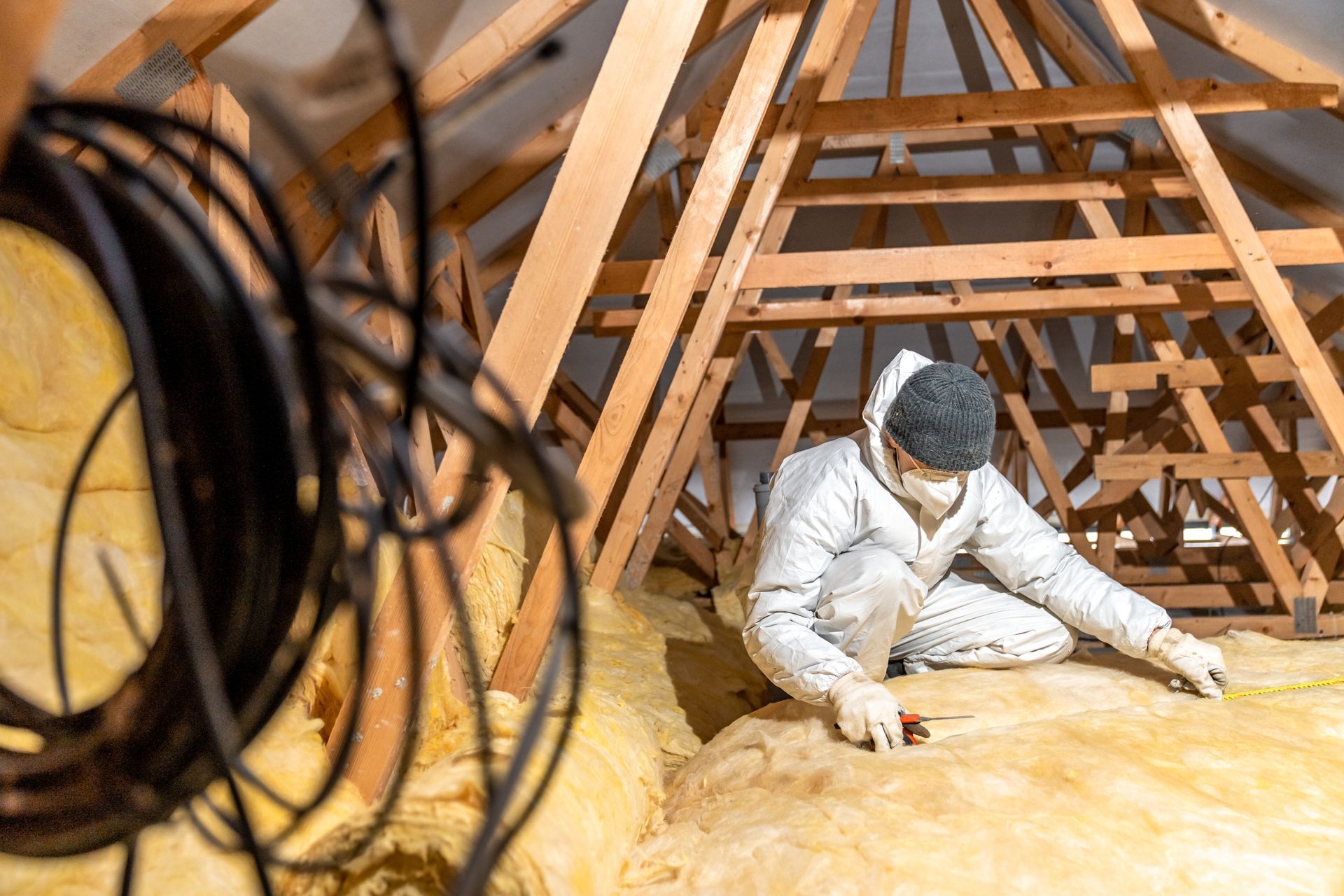
Older homes often have mixed or outdated insulation types that don’t perform well in modern energy standards. Fiberglass batts may have compressed over time or cellulose may have settled, reducing R-value.
In Colorado’s dry but fluctuating climate, it’s essential to choose insulation that resists air movement and moisture.
Best Options:
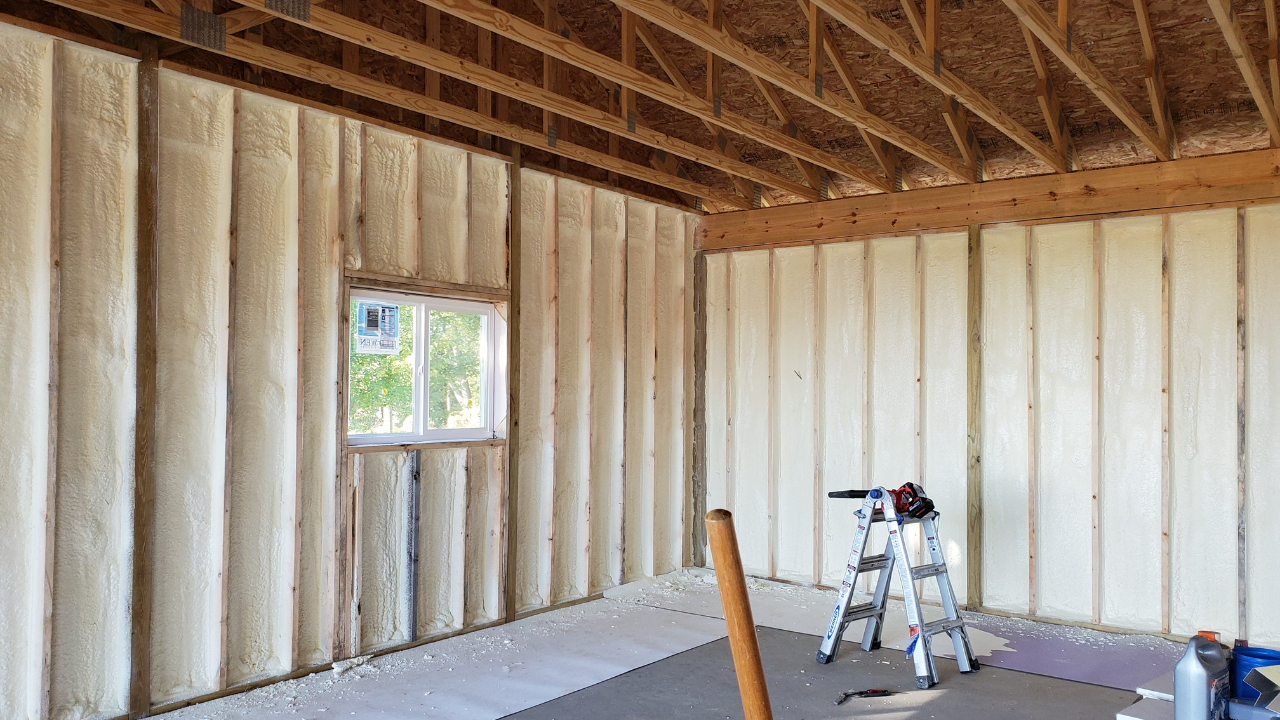
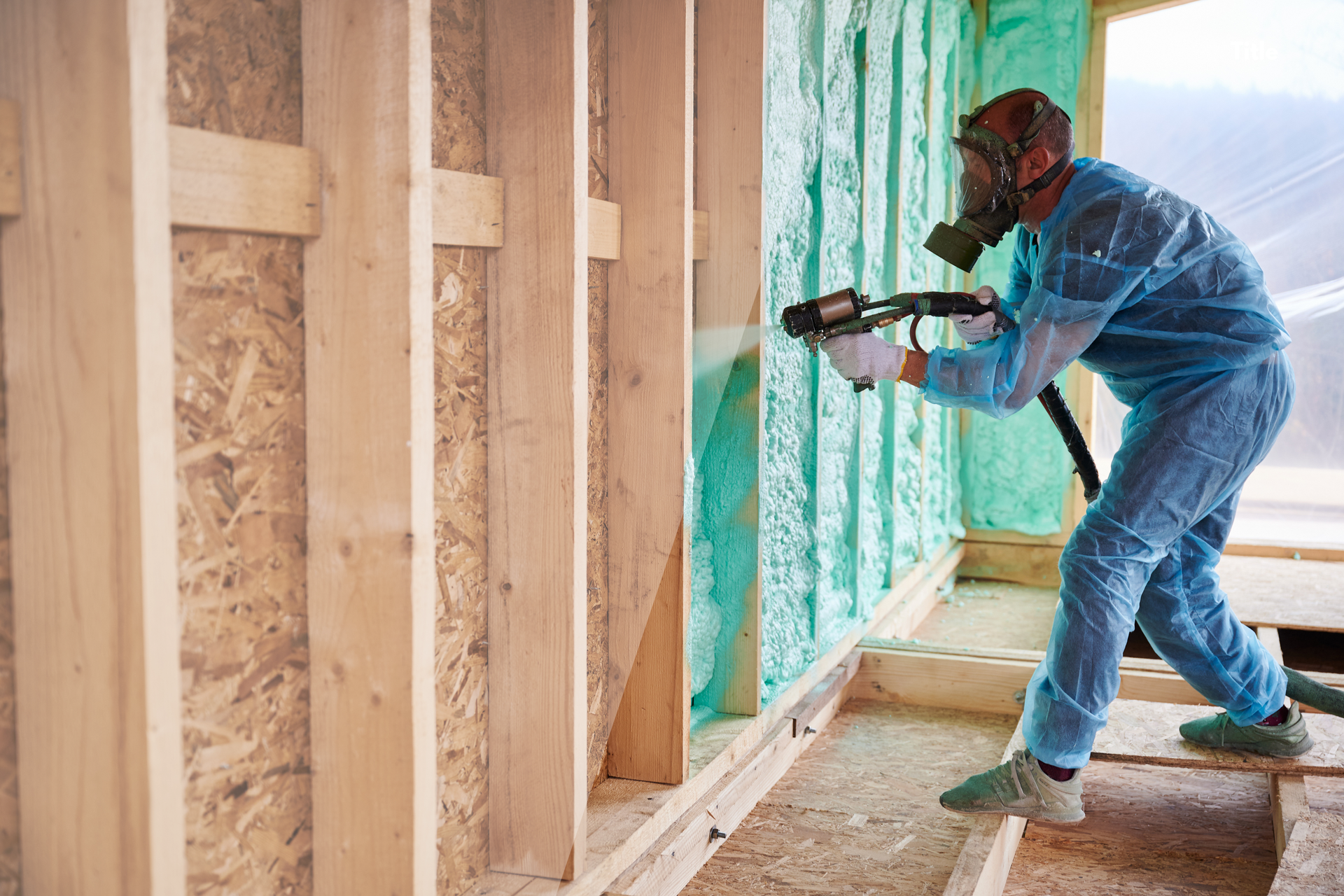
- Spray foam insulation – Provides both air sealing and high R-value for superior performance.
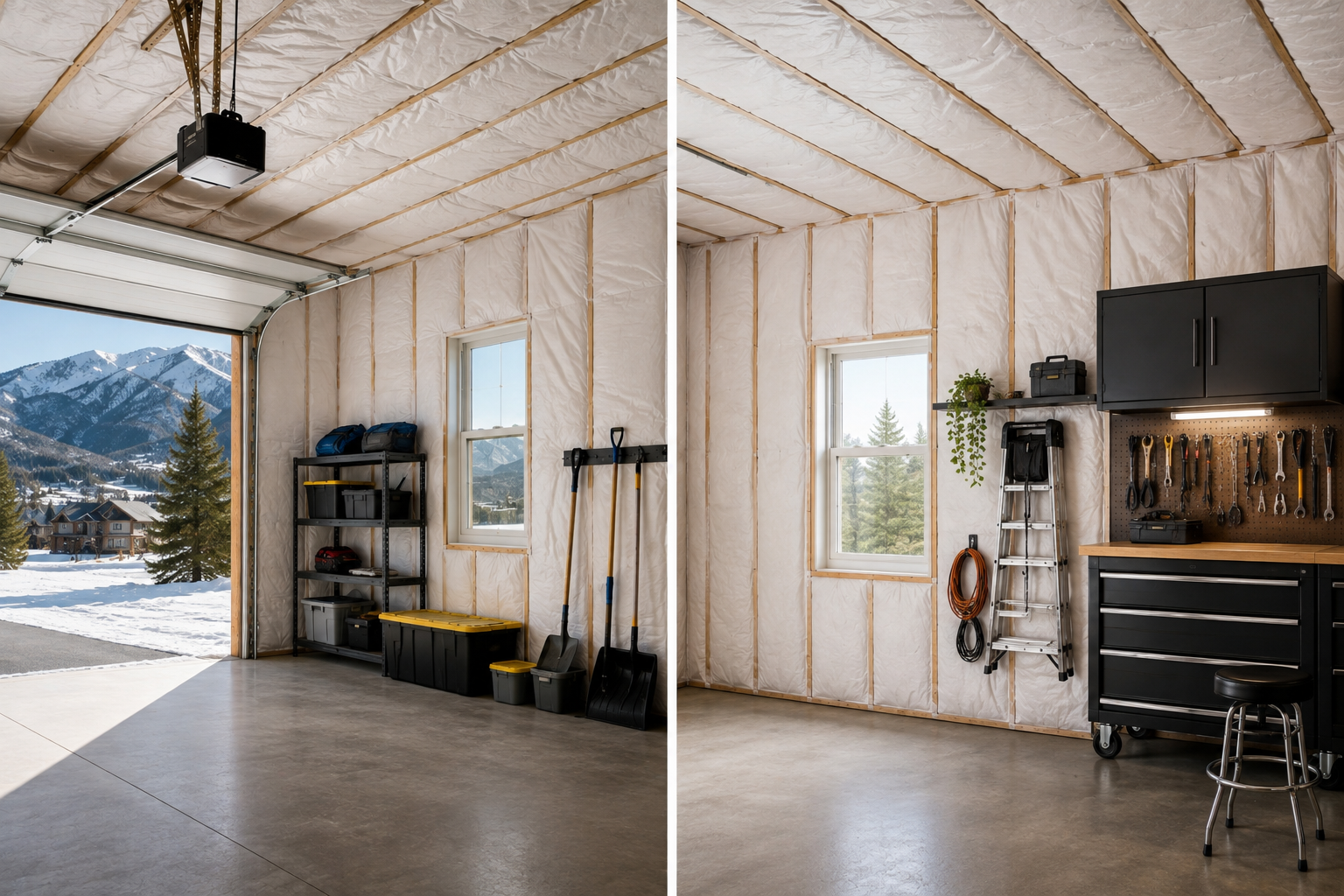
- Blow-in fiberglass – Excellent for topping off existing insulation and improving coverage.
Avoid: Simply adding more fiberglass batts over old material without sealing air leaks or checking moisture levels.
3. Blocking Attic Ventilation
Ventilation and insulation must work together. A common mistake is covering or blocking soffit vents with insulation. This restricts airflow and traps moisture, leading to mold, mildew, and wood rot.
Proper ventilation allows warm, moist air to escape, maintaining a balanced attic environment even during cold winters.
Solution: Use baffles or vent chutes to maintain airflow between soffit and ridge vents when adding new insulation. This ensures both energy efficiency and roof longevity.
4. Failing to Achieve the Recommended R-Value
Many older Colorado homes have attic insulation levels as low as R-19—well below current Department of Energy recommendations of
R-49 to R-60 for this region.
Insufficient R-value means your insulation can’t adequately resist heat flow, causing higher energy use and uneven indoor temperatures.
Solution: Have your attic insulation professionally evaluated to determine the existing R-value. Adding blow-in insulation or spray foam can quickly bring your attic up to modern standards.
5. Ignoring Moisture Issues
Moisture in the attic can quickly compromise insulation performance and lead to structural damage. Common sources include roof leaks, inadequate ventilation, or condensation caused by air leaks.
Fiberglass and cellulose insulation can absorb moisture, losing effectiveness and encouraging mold growth.
Solution: Identify and fix moisture sources before upgrading insulation. Closed-cell spray foam is highly moisture-resistant and ideal for protecting attics in Colorado’s freeze-thaw cycles.
6. Covering Recessed Lighting or Fixtures
Placing insulation directly over recessed lights, wiring, or heat-producing equipment can be a fire hazard. Older fixtures may not be IC-rated (insulation contact-safe), and excessive coverage can trap heat.
Solution: Use protective covers or maintain required clearances around fixtures. Professional installers are trained to identify which lights and electrical components can safely be insulated.
7. DIY Installation Without Proper Equipment
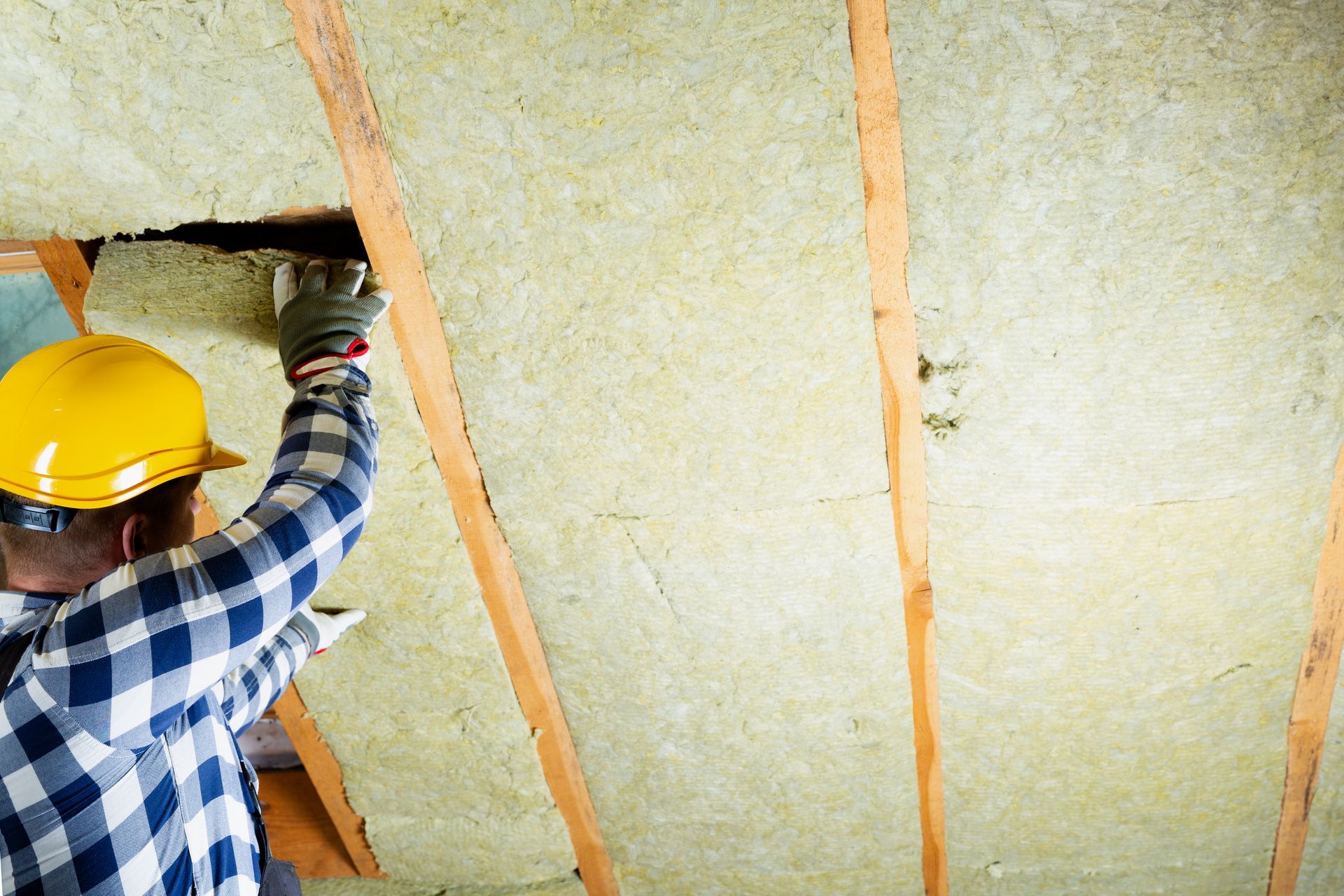
Installing attic insulation may look straightforward, but achieving even coverage and correct depth requires training and the right tools. DIY attempts often lead to gaps, uneven layers, or improperly sealed areas that reduce efficiency.
Solution: Always hire a certified insulation contractor. Professionals use specialized blowing machines, spray rigs, and safety gear to ensure consistent application and optimal R-values.
The Cost of Fixing Attic Insulation Mistakes
The cost of correcting poor insulation work varies depending on the size and condition of your attic. Generally:
- Removing old insulation: $1.00–$1.50 per sq. ft.
- Air sealing and prep work: $500–$1,000
- Installing new spray foam insulation: $1.50–$3.50 per sq. ft.
Although this may seem like a significant investment, improved comfort, lower utility bills, and energy rebates can help recover costs in just a few years.
Additional Tips for Insulating Older Homes
- Check for asbestos: Homes built before 1980 may contain asbestos insulation, which must be removed by a licensed abatement contractor.
- Inspect electrical systems: Make sure wiring meets current safety standards before adding insulation.
- Address roof leaks: Fix any roof or flashing issues before installing new insulation.
- Add air barriers: Combine spray foam with vapor barriers in areas prone to condensation.
These preventive steps help ensure your attic performs efficiently for decades to come.
Frequently Asked Questions
1. How do I know if my attic insulation needs replacement?
If you notice uneven temperatures, high energy bills, or see visible gaps or discoloration in your attic, it’s time for an inspection.
2. Can new insulation be added over old?
Yes, but only if the existing material is dry and mold-free. Spray foam can often be applied directly over older insulation for a complete seal.
3. What R-value should I aim for in Colorado?
For most homes, aim for
R-49 to R-60 in the attic to meet modern efficiency standards.
4. Does spray foam prevent ice dams?
Yes. By sealing air leaks and maintaining consistent attic temperatures, spray foam minimizes the conditions that cause ice dams.
5. How long does new attic insulation last?
Spray foam insulation can last 30 years or more without settling or losing performance.
Professional Attic Insulation Services in Colorado
If your older Colorado home struggles with drafts, uneven heating, or moisture issues, the attic is often the best place to start.
Sprayfoam Solutions LLC specializes in diagnosing and correcting attic insulation problems throughout
Fort Collins, Greeley, Loveland, Longmont, and nearby Colorado communities. Our team uses high-performance materials like
closed-cell spray foam and blow-in insulation to deliver lasting comfort and energy efficiency.
To schedule an attic inspection or receive a customized insulation quote, visit https://sprayfoamsolutionsllc.com/ or call
(970) 740-7780.