
Blow-In vs. Batt Insulation: Which Is More Energy Efficient?

April 21, 2026

Blow-In vs. Batt Insulation: Which Is More Energy Efficient?

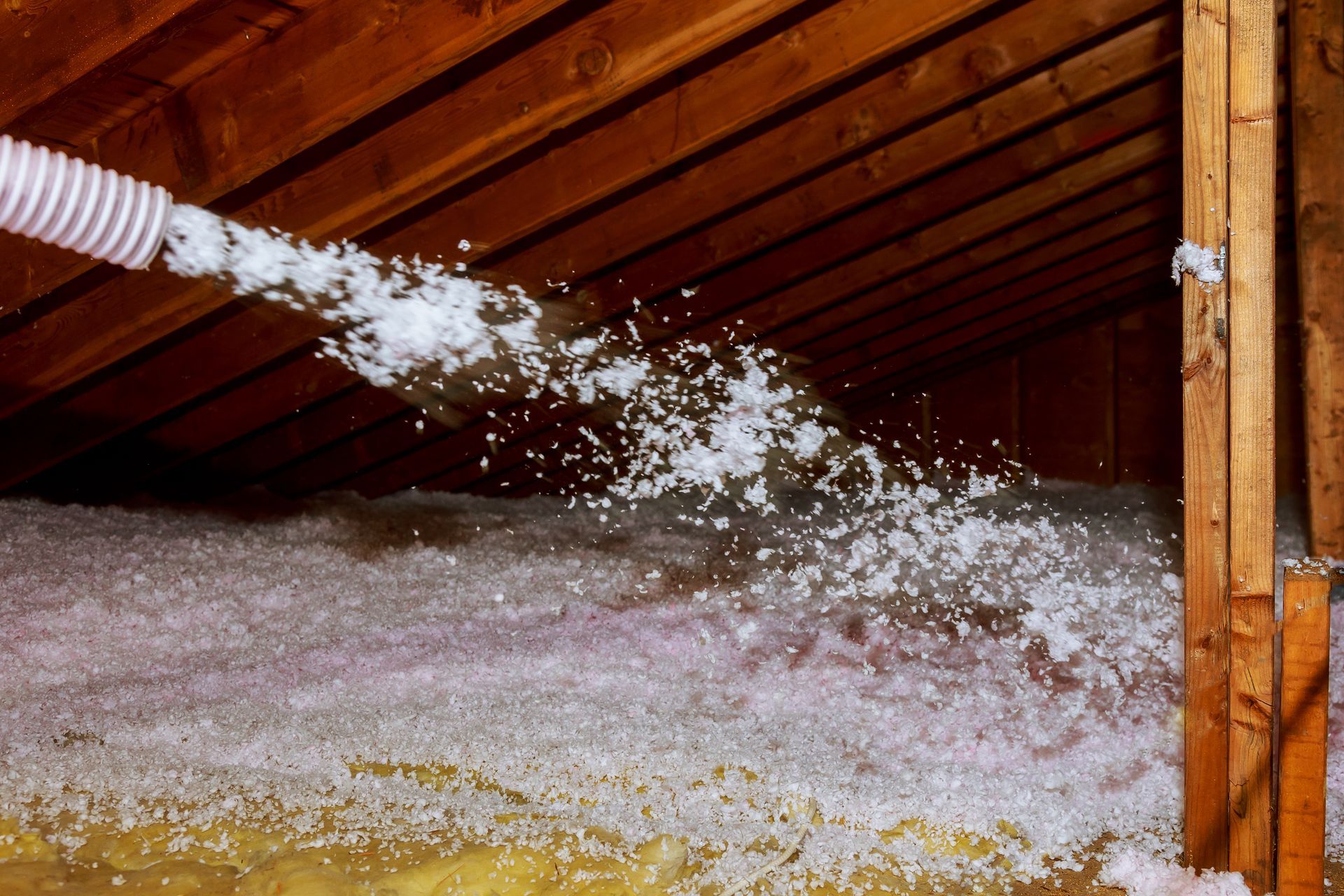
A hose blowing loose-fill white insulation into a residential attic space between wooden rafters.
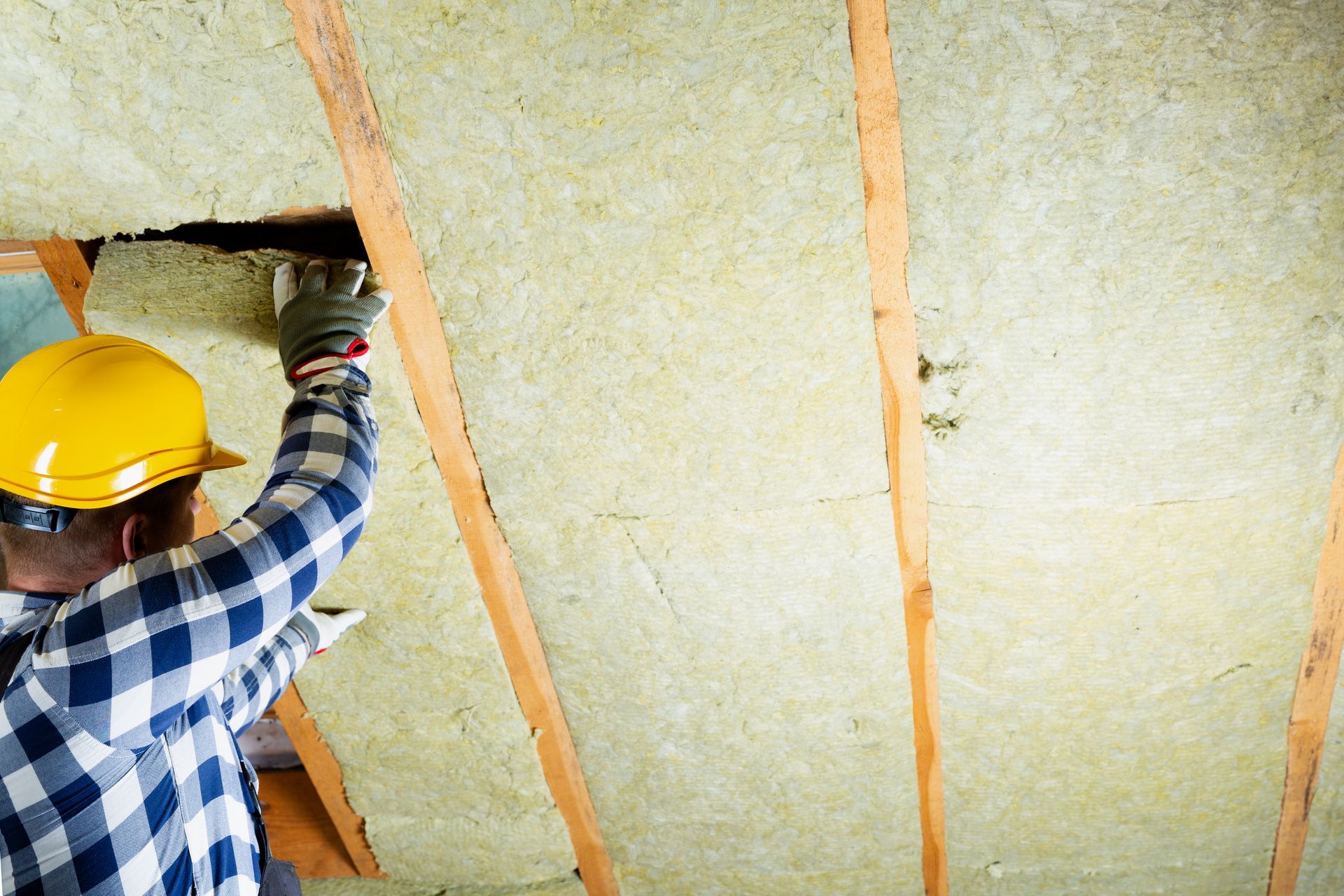
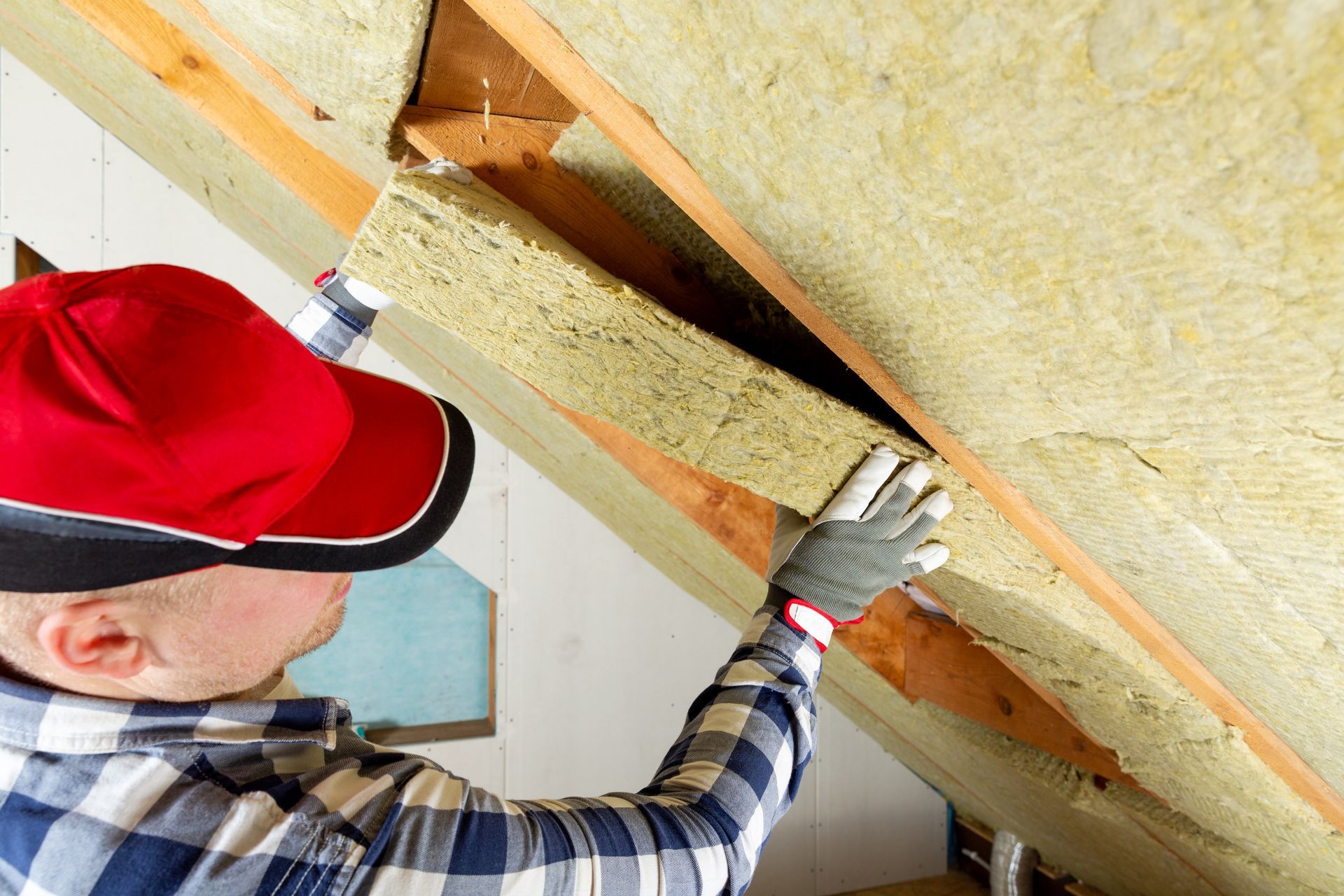
A construction worker wearing protective gear and a mask installs fiberglass insulation into a ceiling framework.

Introduction

If you’re planning to upgrade your home’s insulation, you’ve likely come across two popular options: blow-in insulation and batt insulation. Both are commonly used across Colorado homes, but they perform differently in terms of air sealing, moisture control, and long-term energy efficiency.


Choosing between them depends on your home’s age, design, and comfort goals. Whether you’re insulating a new construction project in Fort Collins or updating an older home in Loveland, understanding the pros and cons of each material can help you make the most energy-efficient choice.


What Is Blow-In Insulation?

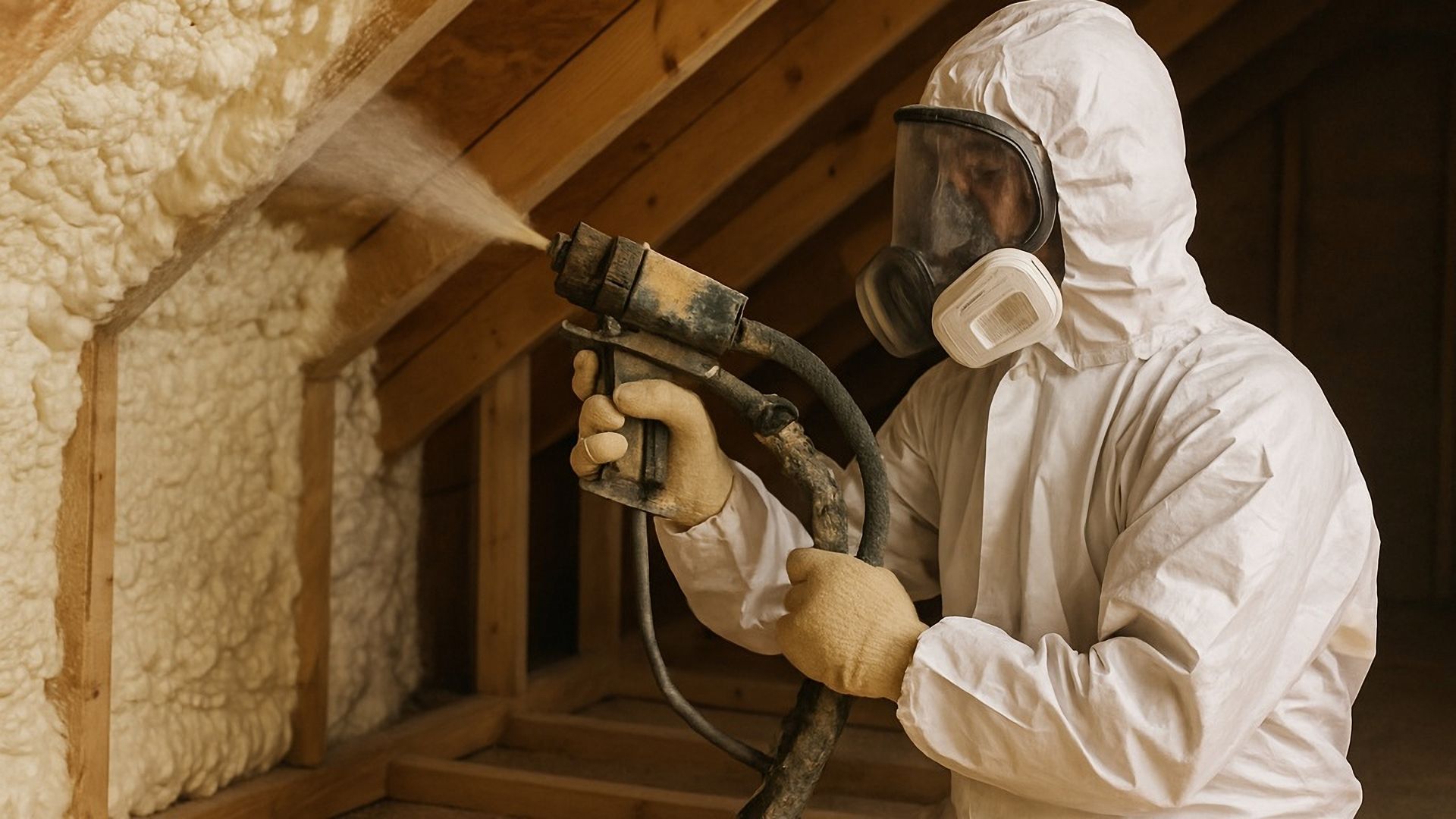
Blow-in insulation, also known as loose-fill insulation, consists of small particles of fiberglass, cellulose, or mineral wool that are blown into wall cavities, attics, or floors using a specialized machine. The material settles evenly, filling gaps and irregular spaces to create a continuous layer of thermal protection.


Key Features:

  • Excellent coverage, especially in hard-to-reach spaces

  • Great for upgrading existing insulation without major remodeling

  • Provides consistent depth and R-value when professionally installed

Because blow-in insulation fills every crevice, it’s a top choice for attic retrofits and older homes where wall cavities aren’t uniform.


What Is Batt Insulation?

Batt insulation, made primarily from fiberglass or mineral wool, comes in pre-cut panels or rolls that fit between wall studs, floor joists, and ceiling rafters. It’s one of the oldest and most widely used insulation types in residential construction.


Key Features:

  • Affordable and easy to install during new construction

  • Works best in open, uniform wall cavities

  • Available in various R-values and thicknesses

While batt insulation is cost-effective, its performance depends heavily on installation quality. Any gaps, compression, or misalignment can significantly reduce energy efficiency.


Energy Efficiency Comparison: Blow-In vs. Batt Insulation

To determine which option provides better energy performance, it helps to compare their characteristics side by side:

Feature Blow-In Insulation Batt Insulation
R-Value (per inch) 2.7–3.8 (cellulose/fiberglass) 2.2–3.8 (fiberglass)
Air Sealing Good Poor
Moisture Resistance Moderate (depends on material) Low to moderate
Coverage Consistency Excellent Variable; depends on fit
Soundproofing Good Fair
Installation Type Blown using machine Manually fitted
Lifespan 20–30 years 10–20 years
Cost (per sq. ft.) $1.25–$2.00 $0.80–$1.50

While both insulation types can achieve similar R-values, blow-in insulation typically performs better because it eliminates small gaps and irregularities that allow air leaks — one of the biggest causes of heat loss in Colorado homes.


Blow-In Insulation: Advantages and Ideal Uses

Advantages:

  • Superior coverage: Fills every space evenly, including around pipes and wiring.

  • Improved air sealing: Reduces drafts and energy loss.

  • Easier retrofit installation: Can be added over existing insulation.

  • Sound control: Densely packed fibers reduce noise transfer between rooms.

Ideal Applications:

  • Attic floors and walls

  • Retrofit projects in older homes

  • Spaces with irregular framing or obstructions

  • Areas where maintaining airflow is less critical

Blow-in insulation is especially effective in Colorado attics, where temperature fluctuations and high winds can quickly pull heat through unsealed gaps.


Batt Insulation: Advantages and Ideal Uses

Advantages:

  • Low cost: One of the most affordable insulation types.

  • Easy installation: Works well for open-wall new construction projects.

  • Variety: Available in multiple R-values and materials, including mineral wool for fire resistance.

Ideal Applications:

  • New construction homes with open framing

  • Interior walls where sound control is desired

  • Floors above crawl spaces or basements with vapor barriers

However, for older Colorado homes or structures with uneven walls, batt insulation may not provide a tight enough fit for optimal performance. Even small gaps or compression can lead to significant energy loss.


Air Sealing: The Hidden Factor in Energy Efficiency

No matter how high the R-value, insulation alone cannot stop air leaks. Air infiltration—the movement of outside air into your home—can account for up to 30% of heating and cooling energy loss.


This is where spray foam insulation or air sealing combined with blow-in insulation makes a difference. Many homeowners in Fort Collins and Greeley use a hybrid system:

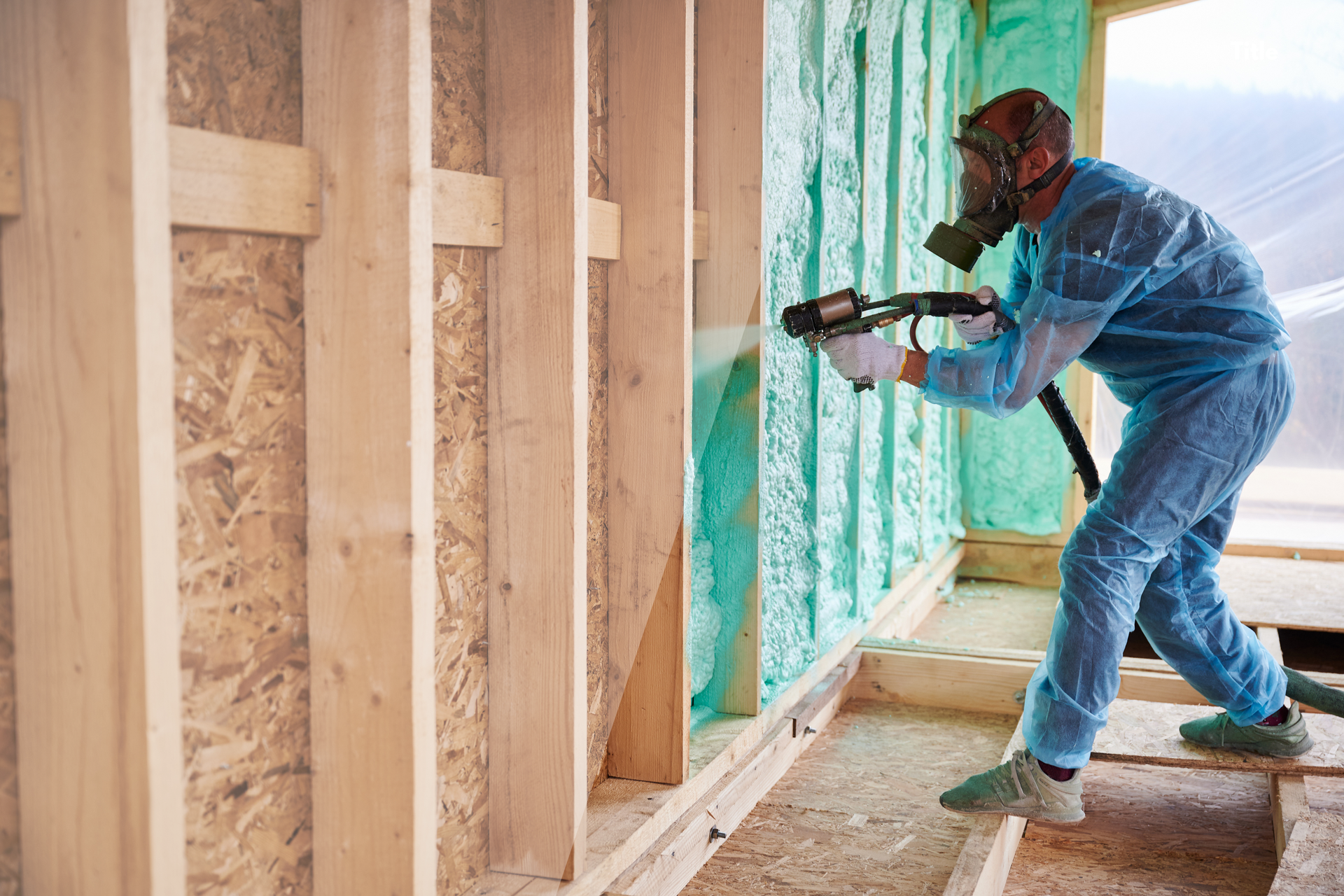
  • Step 1: Spray foam or caulk is used to seal air leaks in attics, rim joists, and around penetrations.

  • Step 2: Blow-in insulation is installed over the sealed surfaces for maximum coverage and performance.

This combination delivers both airtightness and high R-value—two key ingredients for year-round efficiency.


Moisture and Condensation Resistance

Colorado’s dry climate still experiences seasonal humidity and condensation, especially in attics and crawl spaces.


  • Blow-In Insulation: Fiberglass and cellulose can absorb limited moisture but dry quickly if properly ventilated. Closed-cell spray foam offers better moisture control when used alongside blow-in insulation.

  • Batt Insulation: Fiberglass batts can trap moisture if not paired with a vapor barrier, leading to potential mold or odor issues.

For barns, basements, or metal structures, closed-cell spray foam remains the top choice for moisture protection.


Cost vs. Value: Long-Term Performance

Although batt insulation costs less upfront, blow-in insulation provides greater long-term savings because of its tighter fit and reduced air leakage.


For example, a 2,000-square-foot Colorado home could experience:

  • Batt insulation savings: 10–15% annual energy reduction

  • Blow-in insulation savings: 20–30% annual energy reduction

That additional efficiency can save homeowners hundreds of dollars each year—enough to recover the higher installation cost within just a few years.


Which Insulation Is Best for Your Colorado Home?

Home Type Recommended Insulation
Older Homes / Retrofits Blow-in or spray foam hybrid
New Construction Homes Batt or spray foam
Attic Upgrades Blow-in fiberglass or cellulose
Basements / Crawl Spaces Closed-cell spray foam
Interior Soundproofing Mineral wool batts

Ultimately, blow-in insulation offers the best performance for most existing Colorado homes, while batts remain suitable for new builds or specific wall applications.


Frequently Asked Questions

1. Can I add blow-in insulation over existing fiberglass batts?
Yes. Adding loose-fill insulation over existing batts is a cost-effective way to boost R-value and improve performance.


2. How long does blow-in insulation last?
Properly installed blow-in insulation can last
20–30 years without settling significantly.


3. Is blow-in insulation environmentally friendly?
Yes. Many cellulose and fiberglass products are made from recycled materials and contribute to reduced energy consumption.


4. Does batt insulation need a vapor barrier in Colorado?
In most cases, yes. A vapor barrier helps prevent condensation and mold growth during cold winters.


5. Which insulation has a faster installation process?
Batt insulation installs quickly in open walls, while blow-in insulation is faster for attics and retrofit projects.


Professional Insulation Services in Northern Colorado

Choosing between blow-in and batt insulation depends on your home’s structure, budget, and energy goals. For many homeowners, combining insulation methods provides the best balance of comfort, cost, and performance.


Sprayfoam Solutions LLC specializes in spray foam, blow-in, and fiberglass insulation for homes and businesses across Fort Collins, Greeley, Loveland, Longmont, Windsor, and surrounding Colorado communities. Our experienced team helps homeowners identify the right insulation type for maximum efficiency and value.


To schedule a home energy assessment or get a personalized insulation quote, visit https://sprayfoamsolutionsllc.com/ or call (970) 740-7780.


Recent Posts

A person wearing a red cap and plaid shirt installs yellow insulation panels between wooden roof rafters.
April 6, 2026
Discover the best insulation options for metal buildings and barns in Colorado. Improve comfort, reduce condensation, and save energy with Sprayfoam Solutions LLC.
A person in protective gear and a mask installing yellow fiberglass insulation between wooden rafters in an attic.
March 20, 2026
Learn the most common attic insulation mistakes in older Colorado homes and how to fix them with professional guidance from Sprayfoam Solutions LLC.
Person working at a desk with laptop, calculator, papers, pen, and notebook.
March 5, 2026
Discover the 2025 cost of spray foam insulation in Colorado. Learn what affects pricing, energy savings, and long-term value with Sprayfoam Solutions LLC.
Person sprays green foam insulation in a wood-framed ceiling.
February 18, 2026
Learn why now is the best time to insulate your home before winter. Reduce drafts, lower energy bills, and stay warm with Sprayfoam Solutions LLC.
Person wearing a red cap and gloves installing insulation in an attic space.
February 3, 2026
Learn how modern insulation improves indoor air quality in Colorado homes. Reduce dust, allergens, and drafts with Sprayfoam Solutions LLC.
Person spraying green insulation foam into a wooden ceiling.
January 19, 2026
Discover how spray foam insulation seals air leaks better than traditional insulation, improving comfort, energy efficiency, and savings with Sprayfoam Solutions LLC
Man installing insulation in a sloped attic, near a skylight.
January 2, 2026
Learn about Colorado energy rebates and federal tax credits for insulation upgrades. Maximize savings with Sprayfoam Solutions LLC.
Person spraying insulation into a wooden frame. Light green foam fills the space.
December 17, 2025
Learn how blow-in insulation works and when to use it. Improve comfort and efficiency in Colorado homes with Sprayfoam Solutions LLC.
Person in protective suit spraying insulation in an attic.
December 2, 2025
Learn how proper attic insulation helps Fort Collins homeowners reduce energy bills and improve comfort. Trusted insulation experts in Northern Colorado.
Person in protective suit spraying insulation in attic.
November 17, 2025
Compare spray foam vs fiberglass insulation for Colorado homes. Learn which offers better comfort, efficiency, and savings from Sprayfoam Solutions LLC.