Insulation Options for Metal Buildings and Barns in Colorado

April 6, 2026

 Insulation Options for Metal Buildings and Barns in Colorado

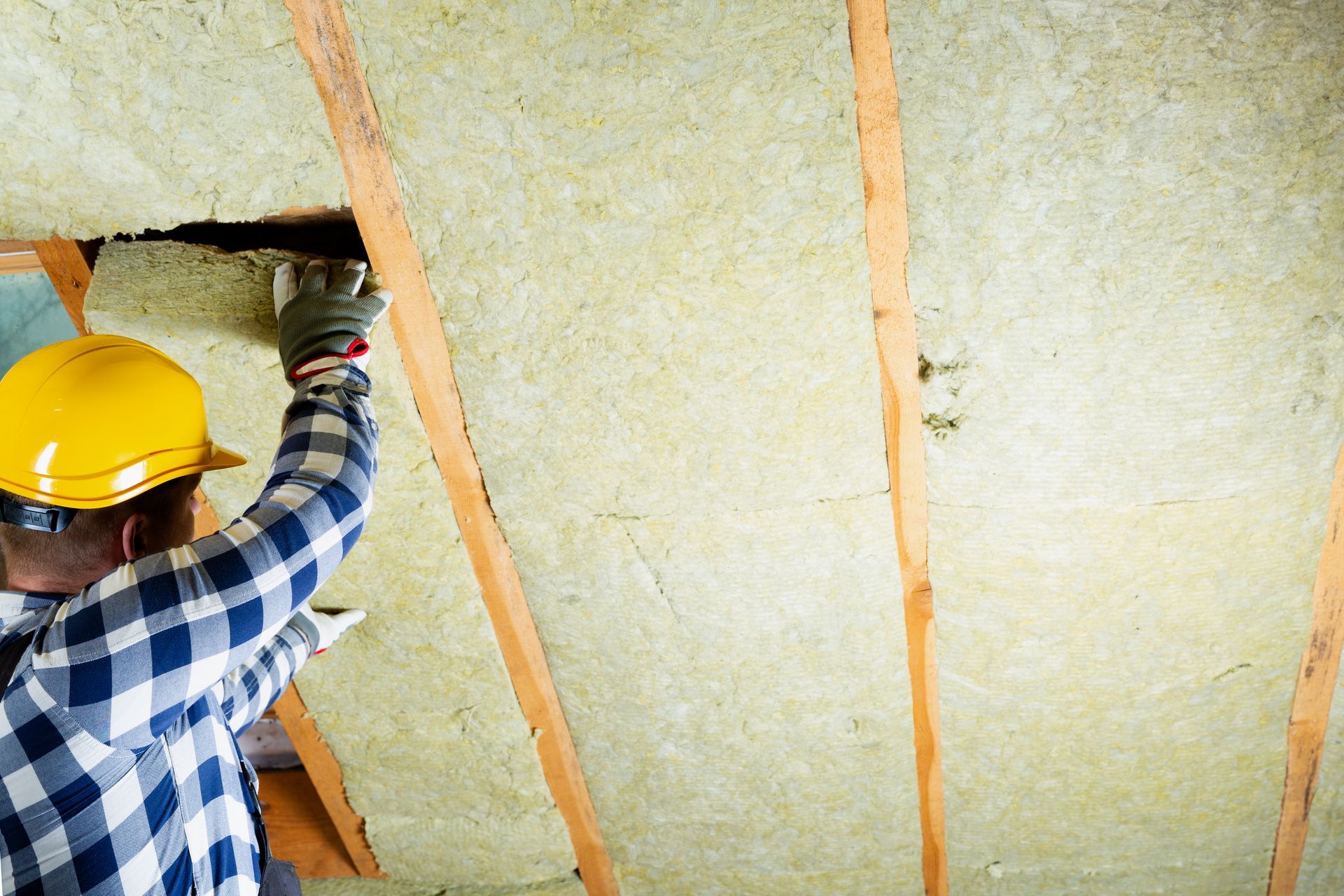
A construction worker in a yellow hard hat and plaid shirt installs yellow insulation between wooden ceiling rafters.

Introduction

Metal buildings and barns are known for their strength and versatility, making them a popular choice across Colorado for workshops, storage facilities, agricultural use, and even residential conversions. However, one challenge nearly every owner faces is temperature control.


Because metal conducts heat and cold easily, these structures can become extremely hot in summer and bitterly cold in winter. Proper insulation is essential for comfort, condensation prevention, and energy efficiency. Whether you’re working in a shop in Loveland, storing equipment in Greeley, or maintaining livestock near Fort Collins, choosing the right insulation makes all the difference.


This guide explores the best insulation options for metal buildings and barns in Colorado’s unique climate, helping you protect your investment and reduce long-term energy costs.


Why Metal Buildings Need Insulation

Unlike traditional wood-framed homes, metal structures don’t have natural insulating properties. Without insulation, they’re subject to rapid temperature changes and condensation buildup.


Key Benefits of Insulating Metal Buildings

  • Temperature Regulation: Keeps interiors warm in winter and cool in summer.

  • Condensation Control: Prevents moisture accumulation that can lead to rust, mold, and structural corrosion.

  • Energy Efficiency: Reduces heating and cooling costs by up to 40%.

  • Noise Reduction: Helps absorb sound from machinery, rain, or exterior activity.

  • Increased Durability: Protects interior surfaces, electrical systems, and stored materials from moisture damage.

For Colorado’s fluctuating weather—from freezing nights to sunny afternoons—these benefits are critical for both comfort and longevity.


Top Insulation Options for Metal Buildings

Each insulation type offers different advantages depending on the building’s size, purpose, and budget. Below are the most common and effective options for Colorado property owners.


1. Spray Foam Insulation

Best Overall Performance

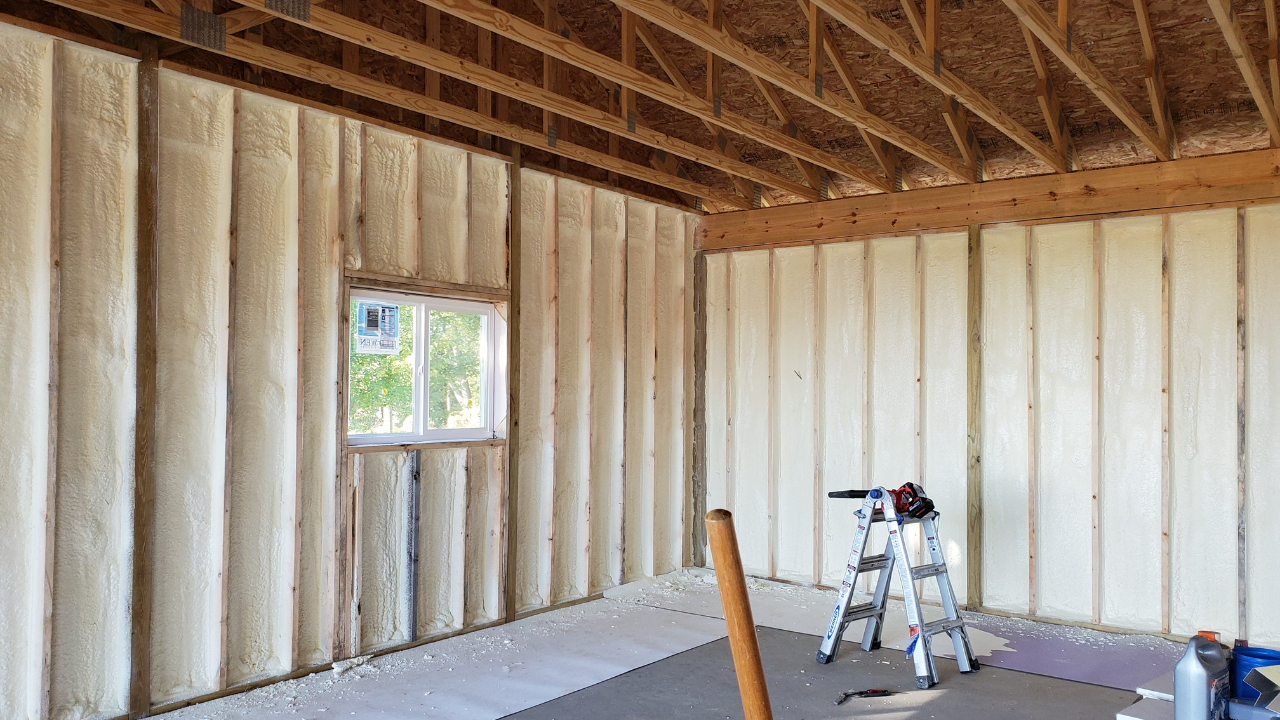
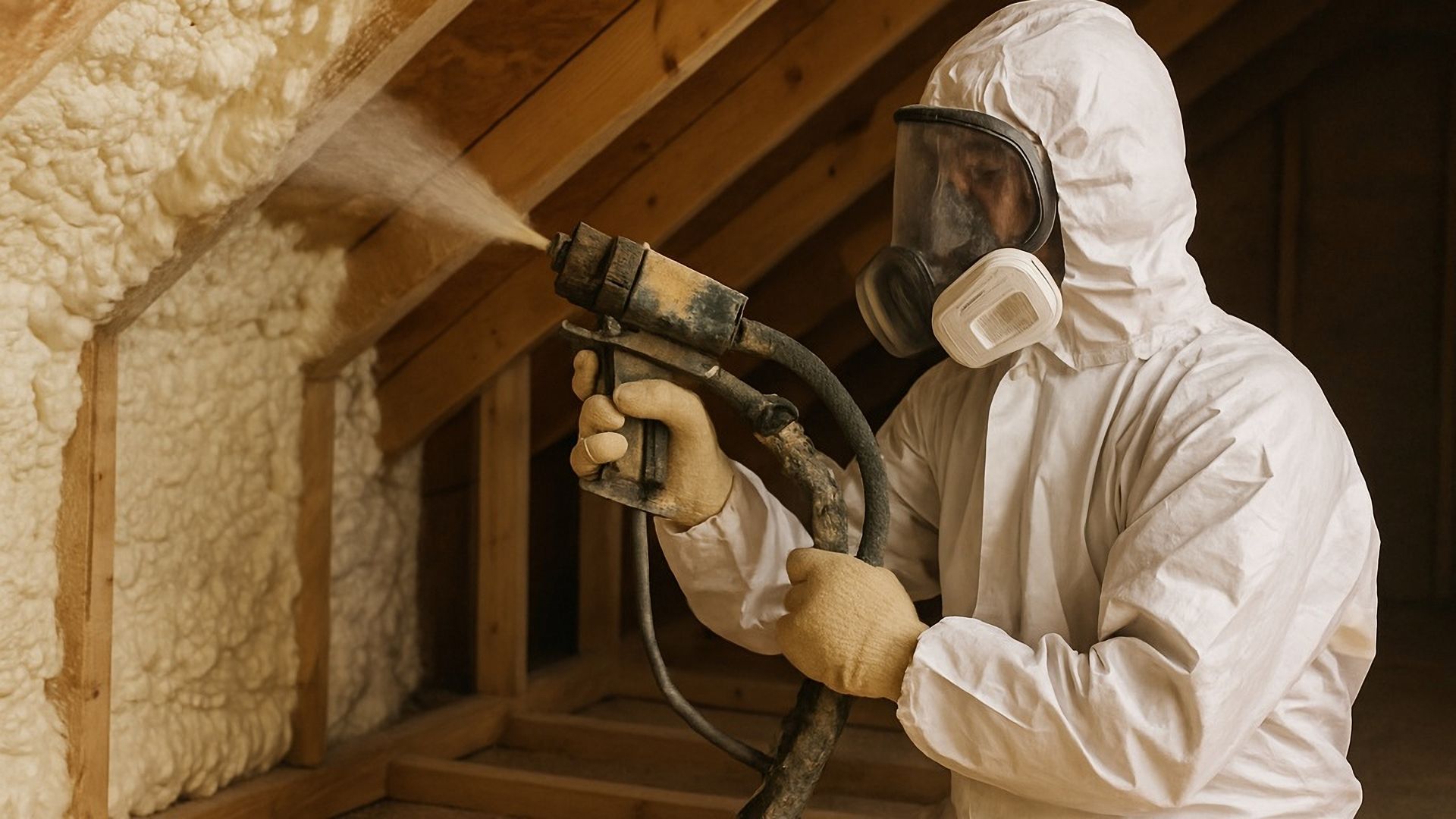
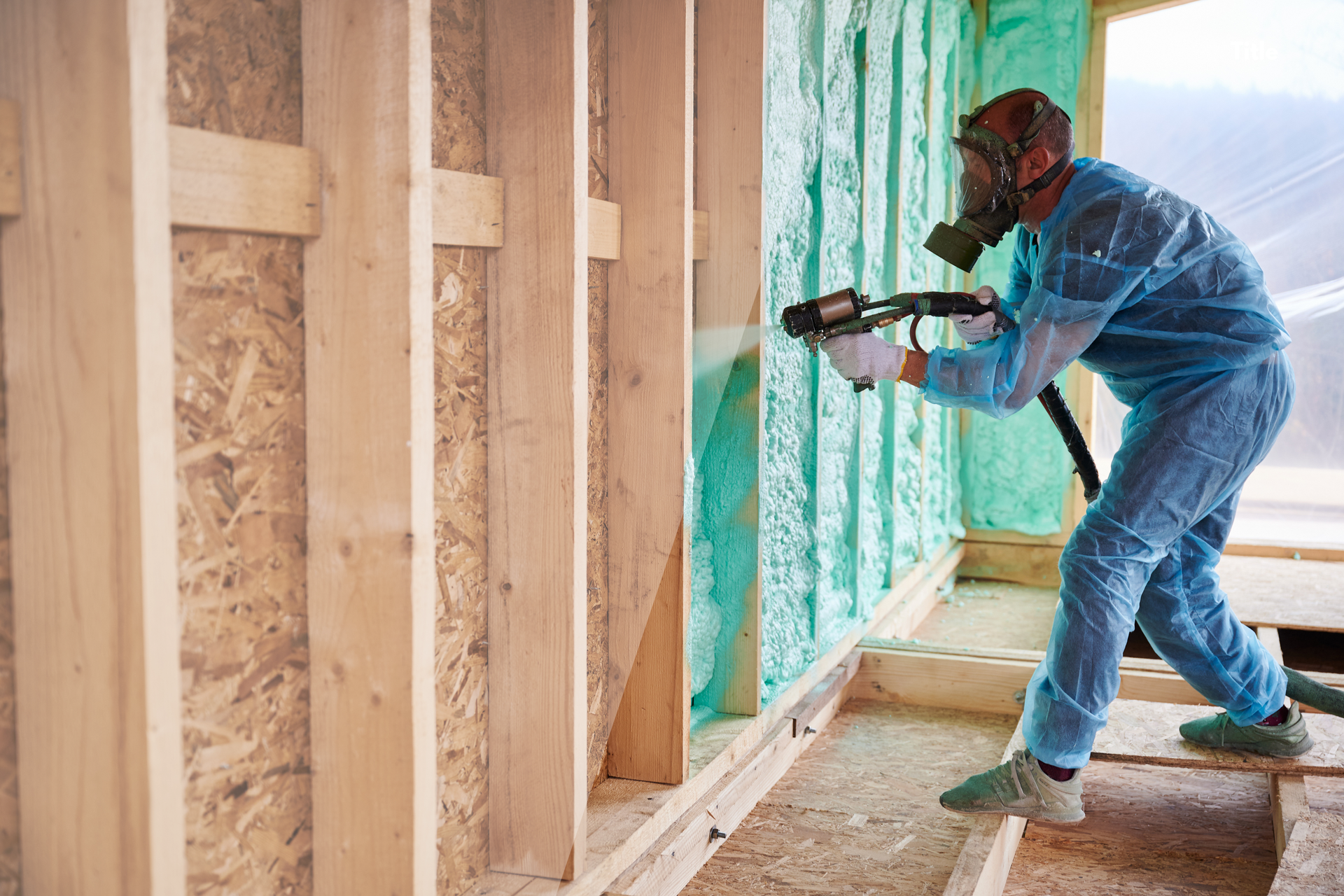
Spray foam is the most effective insulation solution for metal buildings, offering superior air sealing, moisture resistance, and temperature stability. It adheres directly to metal surfaces, expanding to fill cracks and gaps where air and condensation can form.


Advantages:

  • Exceptional R-value (up to R-7 per inch)

  • Prevents condensation and rust

  • Seals air leaks and gaps

  • Adds structural strength to metal panels

  • Long lifespan with little to no maintenance


Spray foam is available in two main types:

  • Closed-cell spray foam: Dense, water-resistant, and ideal for roofs, walls, and exposed surfaces.

  • Open-cell spray foam: Lighter and suitable for interior walls or soundproofing applications.

For Colorado barns or workshops where moisture and temperature extremes are concerns, closed-cell spray foam is the preferred choice.


2. Fiberglass Batt or Roll Insulation

Affordable and Widely Used

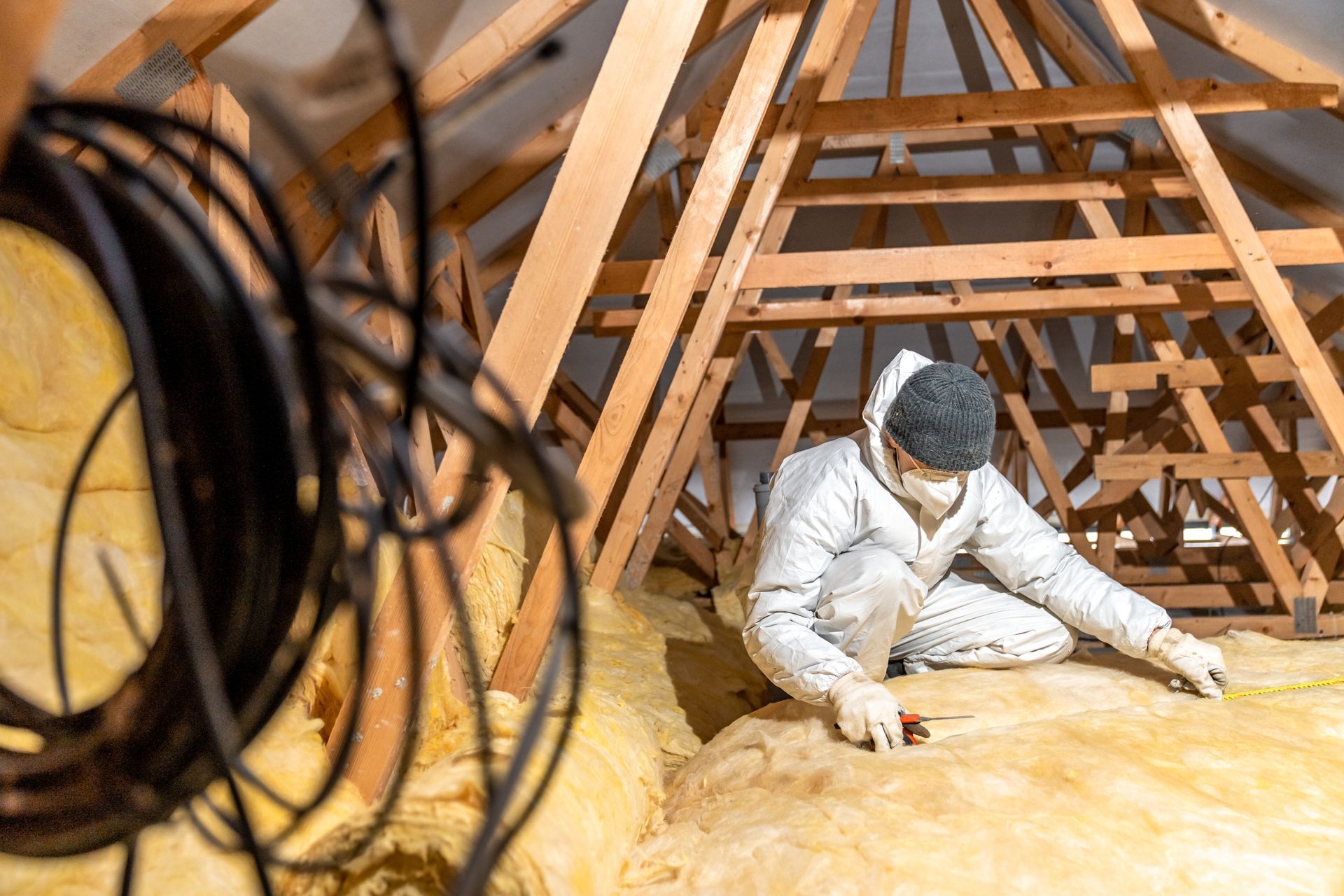
Fiberglass insulation is a traditional and budget-friendly option. It’s typically installed between framing members or behind a vapor barrier inside the metal shell.


Advantages:

  • Lower initial cost

  • Easy to install in large, open wall sections

  • Available in various thicknesses to meet desired R-values

Considerations:
While fiberglass can provide good thermal insulation, it does not seal air leaks and is susceptible to
moisture absorption. In humid or high-condensation environments (common in barns and metal buildings), fiberglass can lose its effectiveness over time unless properly protected with a vapor barrier.


3. Reflective or Radiant Barrier Insulation

Ideal for Hot or Sunny Regions

Reflective insulation, often made from aluminum foil layers combined with polyethylene bubbles, is effective for reducing heat gain from sunlight. It reflects radiant heat away from the building’s surface rather than absorbing it.


Advantages:

  • Reflects up to 95% of radiant heat

  • Lightweight and easy to install

  • Effective when combined with another insulation type

Best Uses:
Works well in roof systems, garages, and agricultural barns where heat from direct sunlight is a concern. However, radiant barriers alone are not sufficient for cold-weather insulation—they’re most effective when paired with spray foam or fiberglass.


4. Rigid Foam Board Insulation

High R-Value and Moisture Resistance

Rigid foam boards, made from materials like polyisocyanurate or extruded polystyrene (XPS), offer a durable and moisture-resistant insulation solution. They’re often used on walls, ceilings, and under roof panels.


Advantages:

  • Excellent moisture and mold resistance

  • Provides continuous thermal protection

  • Can be used with metal siding or under roofing panels

Rigid foam is ideal for commercial metal buildings or post-frame structures that require long-lasting protection without interior finishing.


Comparing Metal Building Insulation Types
Insulation Type R-Value (per inch) Moisture Resistance Air Sealing Cost Ideal Use
Closed-Cell Spray Foam 6.0–7.0 Excellent Excellent $$$ Roofs, walls, barns, workshops
Open-Cell Spray Foam 3.5–4.0 Good Excellent $$ Interior walls, ceilings
Fiberglass Batts 2.2–3.8 Poor Low $ Large framed areas
Rigid Foam Board 5.0–6.5 Excellent Good $$ Walls, under roofing
Reflective Barrier N/A Excellent Low $ Roofs, hot climates

For Colorado’s cold winters and dry air, closed-cell spray foam insulation consistently performs best in metal structures, offering both thermal and moisture protection.


Energy Efficiency and Long-Term Savings

Although spray foam insulation costs more upfront, it often pays for itself within a few years through reduced heating and cooling expenses.


Average Return on Investment:

  • Energy savings: 25–40% annually

  • Lifespan: 30+ years without maintenance

  • Moisture protection: Prevents corrosion, extending the life of your metal building

For agricultural or commercial properties, spray foam can also help regulate indoor environments for equipment, livestock, or storage—reducing temperature stress and maintenance costs.


Best Practices for Insulating Metal Buildings in Colorado

  1. Seal All Gaps First: Spray foam can be used as both insulation and air sealant to prevent condensation.

  2. Use Vapor Barriers Where Needed: Especially if using fiberglass, always include a vapor barrier to prevent moisture buildup.

  3. Consider Roof Insulation: Roofs lose the most heat; adding spray foam beneath panels can dramatically improve efficiency.

  4. Account for Ventilation: Ensure adequate airflow to avoid trapped humidity in barns or workshops.

  5. Hire a Professional Contractor: Proper application ensures longevity and consistent R-value performance.

Frequently Asked Questions

1. What is the best insulation for a metal barn in Colorado?
Closed-cell spray foam is the most effective option due to its air sealing, moisture control, and high R-value.


2. Can I insulate a metal building after it’s built?
Yes. Spray foam can be applied to existing structures without removing wall panels, making it ideal for retrofits.


3. Will insulation prevent condensation on metal roofs?
Yes. Spray foam forms an airtight, moisture-resistant seal that prevents condensation from forming on cool metal surfaces.


4. How long does spray foam insulation last in metal buildings?
Properly installed spray foam can last over
30 years, maintaining its performance and adhesion.


5. Is insulation worth it for unheated storage barns?
Yes. Even unheated spaces benefit from insulation by reducing condensation, protecting stored materials, and preventing corrosion.


Professional Insulation for Metal Buildings and Barns in Colorado

Whether you’re managing a large agricultural barn, workshop, or commercial storage facility, insulation is key to performance and durability. Sprayfoam Solutions LLC specializes in spray foam, fiberglass, and reflective insulation systems designed for Colorado’s climate and building types.


Serving Fort Collins, Greeley, Loveland, Longmont, Windsor, and surrounding areas, our team delivers efficient installation and reliable protection for metal buildings of any size.


Recent Posts

A person in protective gear and a mask installing yellow fiberglass insulation between wooden rafters in an attic.
March 20, 2026
Learn the most common attic insulation mistakes in older Colorado homes and how to fix them with professional guidance from Sprayfoam Solutions LLC.
Person working at a desk with laptop, calculator, papers, pen, and notebook.
March 5, 2026
Discover the 2025 cost of spray foam insulation in Colorado. Learn what affects pricing, energy savings, and long-term value with Sprayfoam Solutions LLC.
Person sprays green foam insulation in a wood-framed ceiling.
February 18, 2026
Learn why now is the best time to insulate your home before winter. Reduce drafts, lower energy bills, and stay warm with Sprayfoam Solutions LLC.
Person wearing a red cap and gloves installing insulation in an attic space.
February 3, 2026
Learn how modern insulation improves indoor air quality in Colorado homes. Reduce dust, allergens, and drafts with Sprayfoam Solutions LLC.
Person spraying green insulation foam into a wooden ceiling.
January 19, 2026
Discover how spray foam insulation seals air leaks better than traditional insulation, improving comfort, energy efficiency, and savings with Sprayfoam Solutions LLC
Man installing insulation in a sloped attic, near a skylight.
January 2, 2026
Learn about Colorado energy rebates and federal tax credits for insulation upgrades. Maximize savings with Sprayfoam Solutions LLC.
Person spraying insulation into a wooden frame. Light green foam fills the space.
December 17, 2025
Learn how blow-in insulation works and when to use it. Improve comfort and efficiency in Colorado homes with Sprayfoam Solutions LLC.
Person in protective suit spraying insulation in an attic.
December 2, 2025
Learn how proper attic insulation helps Fort Collins homeowners reduce energy bills and improve comfort. Trusted insulation experts in Northern Colorado.
Person in protective suit spraying insulation in attic.
November 17, 2025
Compare spray foam vs fiberglass insulation for Colorado homes. Learn which offers better comfort, efficiency, and savings from Sprayfoam Solutions LLC.