
Energy Rebates and Tax Credits for Insulation Upgrades in Colorado
Learn about Colorado energy rebates and federal tax credits for insulation upgrades

Upgrading your home’s insulation not only improves comfort and efficiency—it can also qualify you for valuable
energy rebates and federal tax credits. In Colorado, homeowners who invest in better insulation, such as
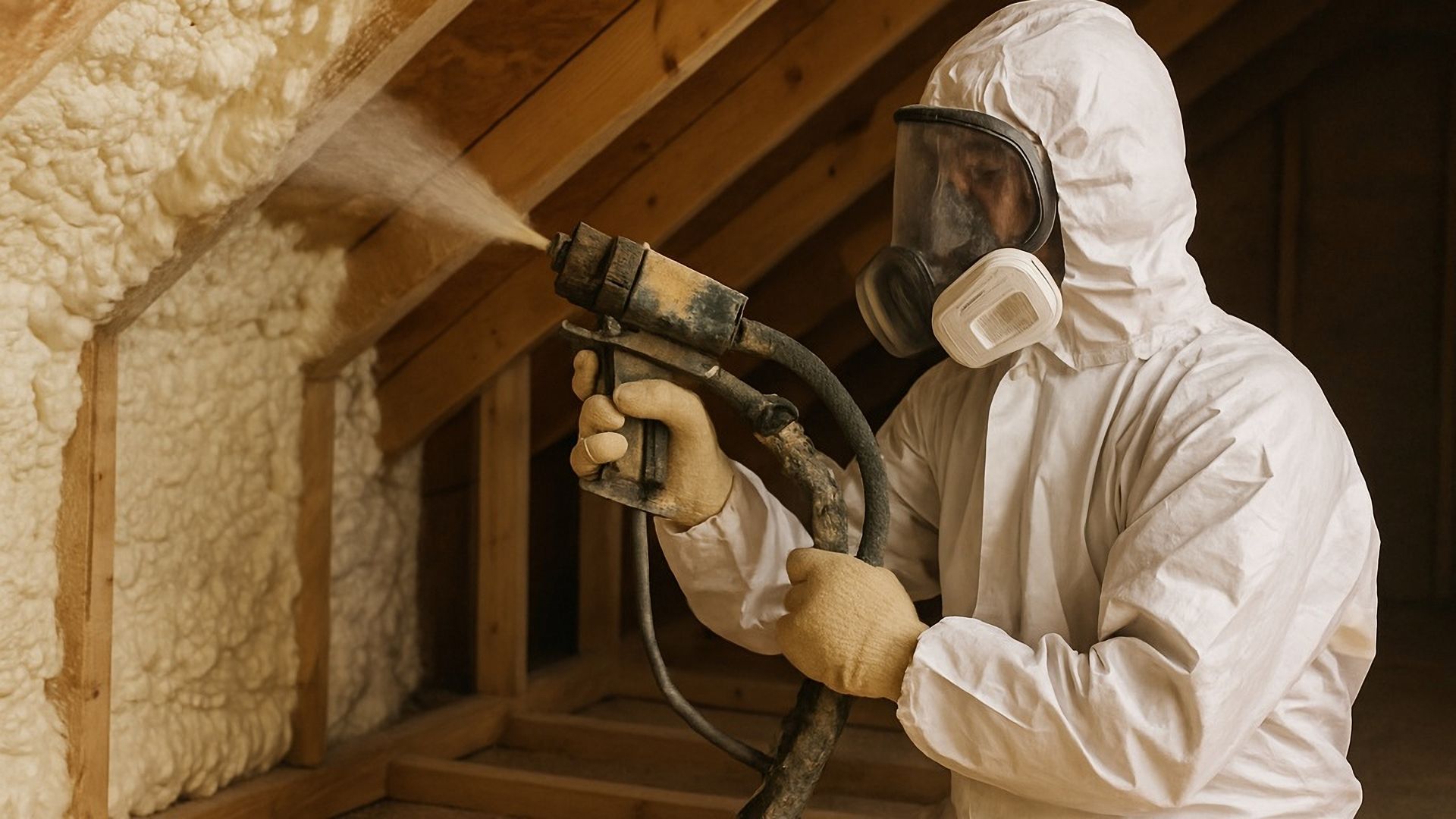
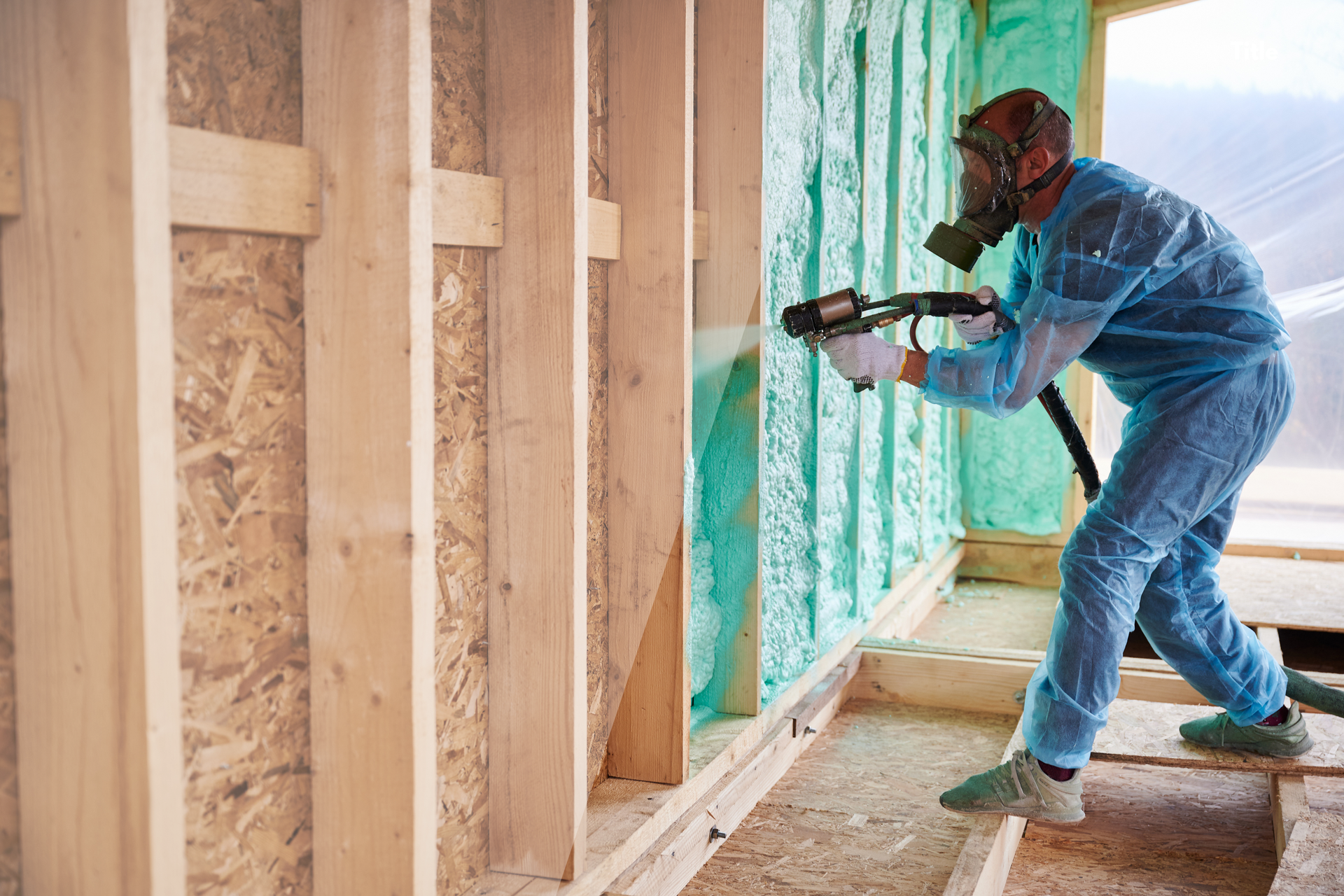
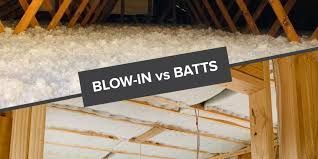
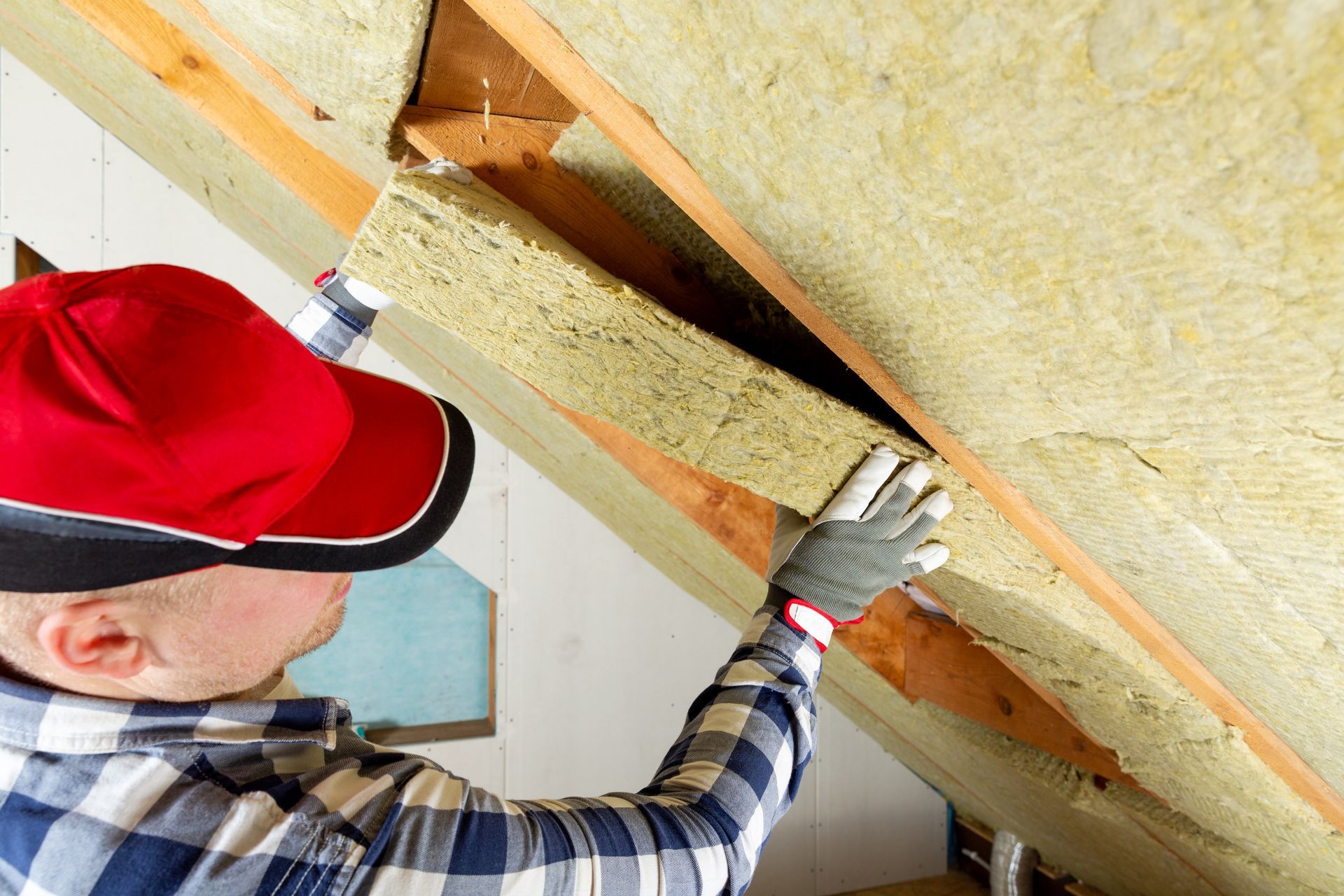
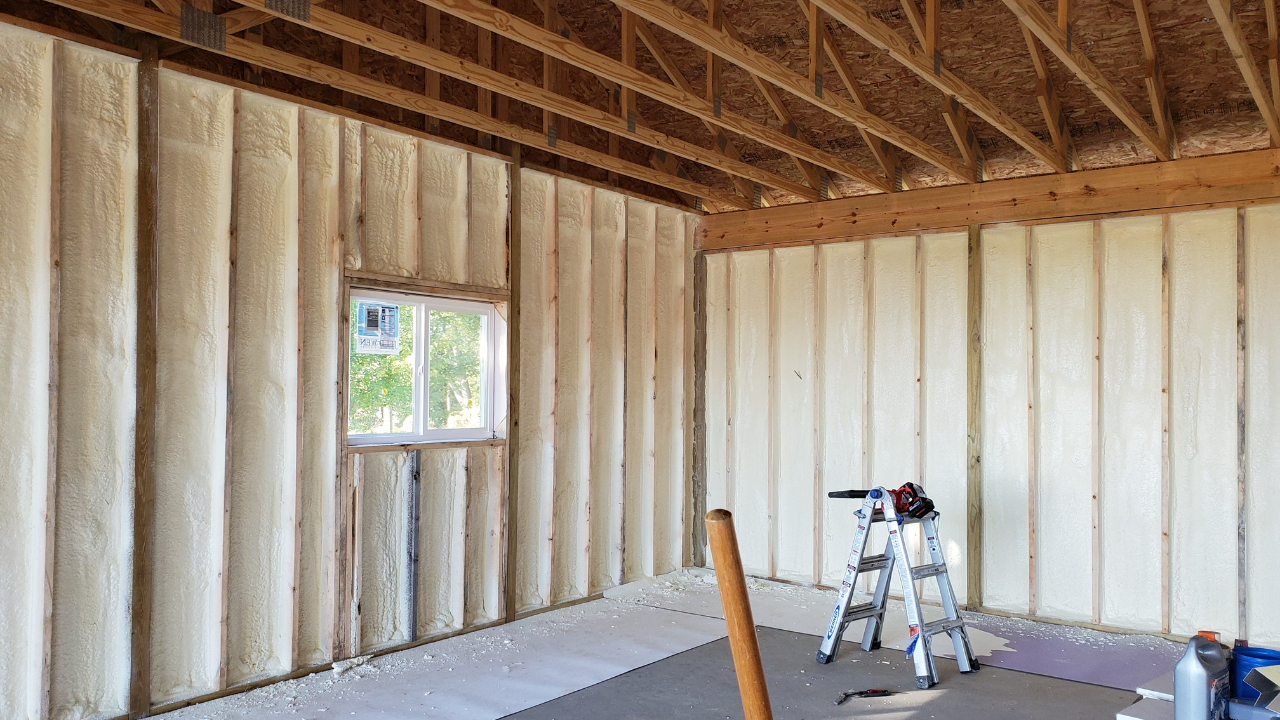
spray foam, blow-in, or fiberglass, may be eligible for both
state and federal incentives designed to promote energy-efficient improvements.
These programs can cover a portion of your installation costs, making it easier to reduce energy bills and increase your home’s resale value. Below, we’ll explain the rebates, credits, and incentives currently available for insulation upgrades in 2025, along with how Colorado homeowners can take advantage of them.
Why Energy Incentives Matter
The federal government and the state of Colorado are working to reduce energy waste and greenhouse gas emissions by encouraging homeowners to make efficiency upgrades.
Insulation is one of the simplest and most cost-effective improvements you can make to reduce energy consumption. By properly sealing and insulating your home, you can save up to
15% on heating and cooling costs according to the U.S. Department of Energy.
With energy prices fluctuating and sustainability goals becoming a priority for many Colorado residents, these rebates and tax incentives make upgrading insulation a smart financial and environmental decision.
Federal Tax Credits for Insulation
The most significant national incentive is the Energy Efficient Home Improvement Credit (Section 25C), expanded under the Inflation Reduction Act (IRA).
Here’s how it works:
- Credit Amount: 30% of the total cost of insulation materials and installation
- Annual Cap: Up to
$1,200 per year in combined energy-efficiency credits
- Eligible Materials: Spray foam, blown-in cellulose, fiberglass, and air sealing materials
- Effective Dates: Available for qualifying insulation installed between
January 1, 2023, and December 31, 2032
Requirements:
- The insulation must meet modern energy-efficiency standards (as defined by the 2021 International Energy Conservation Code).
- The upgrade must be installed in an existing primary residence (not new construction).
- You must have a copy of your contractor’s certification or product documentation for filing purposes.
This federal credit is claimed on IRS Form 5695 when you file your taxes.
Colorado-Specific Energy Rebates (Utility Programs)
Many Colorado utility providers offer
cash rebates or
bill credits for insulation and air-sealing upgrades. These programs encourage homeowners to make energy-efficient improvements that reduce demand on the power grid.
Here are some of the most notable programs for 2025:
1. Xcel Energy Home Insulation Rebate
If you’re an Xcel Energy customer in Fort Collins, Greeley, or Loveland, you may qualify for:
- $400–$600 rebates for attic, wall, or floor insulation
- Up to $200 additional rebates for air sealing services
- Eligibility based on home energy audit results
Learn more –
https://www.xcelenergy.com/Programs_and_Rebates
2. Platte River Power Authority (Efficiency Works Program)
Serving areas like Fort Collins, Loveland, Estes Park, and Longmont, Efficiency Works offers:
- Rebates covering
up to 50% of insulation project costs
- Additional incentives for attic air sealing
- Free or discounted home energy assessments
[Program link –
https://efficiencyworks.org/for-your-home-rebates-and-incentives/]
3. Colorado Energy Office – Weatherization Assistance Program
For income-qualified households, the
Weatherization Assistance Program (WAP) provides
free insulation, air sealing, and energy efficiency upgrades.
This program is funded federally and managed locally through regional agencies.
[Colorado Energy Office –
https://energyoffice.colorado.gov/]
4. Black Hills Energy Efficiency Rebates
Customers in southern and western Colorado may be eligible for:
- Up to
$400 rebates on home insulation
- Additional savings for duct sealing and air leakage improvements
How to Qualify for Rebates and Credits
To make sure your insulation project qualifies, follow these key steps:
- Schedule a Home Energy Audit:
Many rebate programs require a professional audit before and after installation to measure energy improvements. - Use a Licensed Contractor:
Work with a certified installer like [Sprayfoam Solutions LLC – https://sprayfoamsolutionsllc.com/] to ensure materials and methods meet program requirements. - Save All Documentation:
Keep receipts, product data sheets, and energy audit reports for tax filing or rebate submissions. - File Within the Program Window:
Each rebate has an expiration date or funding limit, so apply as soon as your project is complete.
Combine Offers:
In most cases, you can combine
utility rebates with
federal tax credits for maximum savings.
Potential Savings Example
Here’s an example for a typical
Fort Collins homeowner upgrading attic insulation:
| Cost Category | Spray Foam Insulation | Blow-In Insulation |
|---|---|---|
| Total Installation Cost | $3,500 | $2,200 |
| Xcel Energy Rebate | $500 | $400 |
| Federal Tax Credit (30%) | $1,050 | $660 |
| Total Savings | $1,550 | $1,060 |
| Net Cost After Incentives | $1,950 | $1,140 |
Other Energy Efficiency Incentives to Consider
In addition to insulation, Colorado homeowners can take advantage of other rebates under the Inflation Reduction Act and state programs, including:
- HVAC system upgrades (heat pumps, efficient furnaces, and AC units)
- Air sealing and duct sealing improvements
- Smart thermostats and energy monitoring systems
- Renewable energy systems, such as solar panels
Pairing these improvements with new insulation can help you reach net-zero energy goals faster.
Frequently Asked Questions
1. Can I combine federal tax credits with local rebates?
Yes, you can combine multiple incentives, as long as each program’s requirements are met.
2. What documentation is required for tax purposes?
Keep invoices, product information sheets, and proof of installation. Your contractor should provide this documentation.
3. Are new construction homes eligible for these programs?
Most tax credits apply only to
existing homes, but some utility rebates may include new construction if built to high-efficiency standards.
4. How do I know if my insulation meets code?
Your contractor will ensure materials meet the required
R-value for your climate zone under the latest building standards.
5. Is spray foam insulation eligible for rebates?
Yes. Closed-cell and open-cell spray foam both qualify under federal and most utility programs as long as they meet R-value and performance criteria.
Make the Most of Your Insulation Upgrade
With both federal and state-level incentives available, now is an ideal time to improve your home’s insulation.
Sprayfoam Solutions LLC helps Colorado homeowners navigate rebate eligibility and ensures every installation meets efficiency standards required for maximum savings. Serving
Fort Collins, Greeley, Loveland, Longmont, and surrounding communities, the team provides expert installation of
spray foam, blow-in, and fiberglass insulation tailored to Colorado’s climate.
To schedule a consultation or request assistance with energy rebate applications, visit https://sprayfoamsolutionsllc.com/ or call (970) 740-7780.