How Blow-In Insulation Works (and When to Use It)
Learn how blow-in insulation works and when to use it

When it comes to upgrading your home’s insulation, one of the most efficient and cost-effective solutions is
blow-in insulation. Known for its ability to fill hard-to-reach spaces and boost energy efficiency, blow-in insulation is ideal for both new construction and retrofit projects across Colorado.
Whether you live in Fort Collins, Greeley, Loveland, or Windsor, proper insulation is essential to maintaining a comfortable indoor temperature year-round. This guide explains how blow-in insulation works, when to use it, and how it can help you lower your energy bills and improve comfort in your home.
What Is Blow-In Insulation?
Blow-in insulation—also called
loose-fill insulation—is made up of small, lightweight particles of fiberglass, cellulose, or mineral wool. These materials are literally “blown” into wall cavities, attics, or other open spaces using specialized equipment.
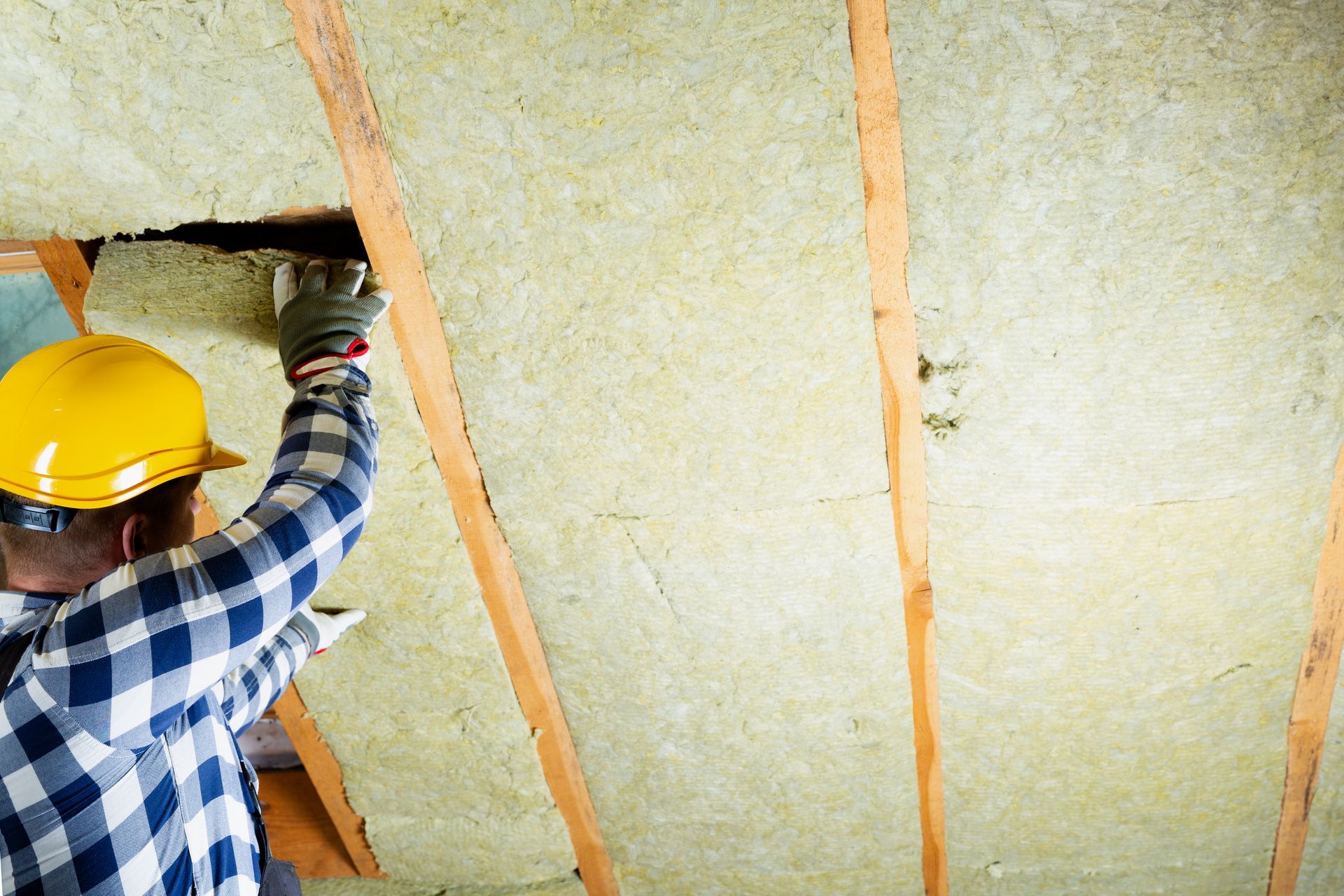
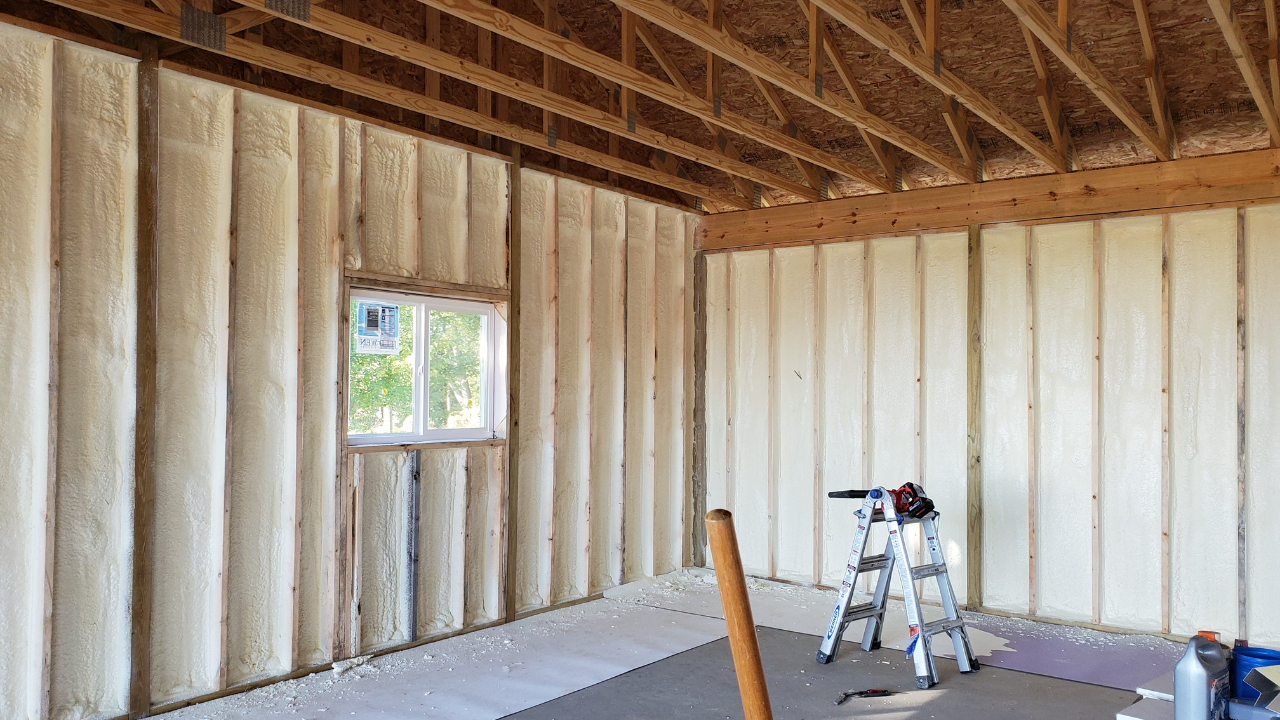
The loose particles interlock and settle tightly into gaps and crevices, forming a seamless, energy-efficient thermal barrier. Because the material can fill spaces around pipes, ducts, wiring, and framing, it offers excellent coverage and air resistance compared to traditional batt insulation.
Types of Blow-In Insulation
Blow-in insulation is available in a few different materials, each with unique benefits. Choosing the right one depends on your home’s design, location, and performance goals.
1. Fiberglass Blow-In Insulation
Made from recycled glass fibers, fiberglass is one of the most common and affordable options. It’s non-combustible, lightweight, and resists moisture absorption.
Advantages:
- Affordable and widely available
- Non-flammable and mold-resistant
- Maintains R-value over time
- Ideal for attics and wall retrofits
Fiberglass loose-fill typically provides an
R-value of about 2.2 to 2.7 per inch, depending on the product density.
2. Cellulose Blow-In Insulation
Composed mostly of recycled paper treated with fire retardants, cellulose insulation is an eco-friendly option. It’s dense, effective, and provides superior soundproofing compared to fiberglass.
Advantages:
- Made from up to 85% recycled content
- Excellent sound absorption
- Higher density means fewer air leaks
- Good for irregularly shaped spaces
Cellulose offers an
R-value between 3.2 and 3.8 per inch, making it one of the most efficient insulation types by volume.
3. Mineral Wool Blow-In Insulation
Made from volcanic rock or industrial slag, mineral wool provides strong fire resistance and excellent soundproofing.
Advantages:
- Extremely fire-resistant
- Moisture- and pest-resistant
- High sound-dampening performance
Although less common in residential projects, it’s used in specialized applications where fire or noise reduction is a concern.
How Blow-In Insulation Is Installed
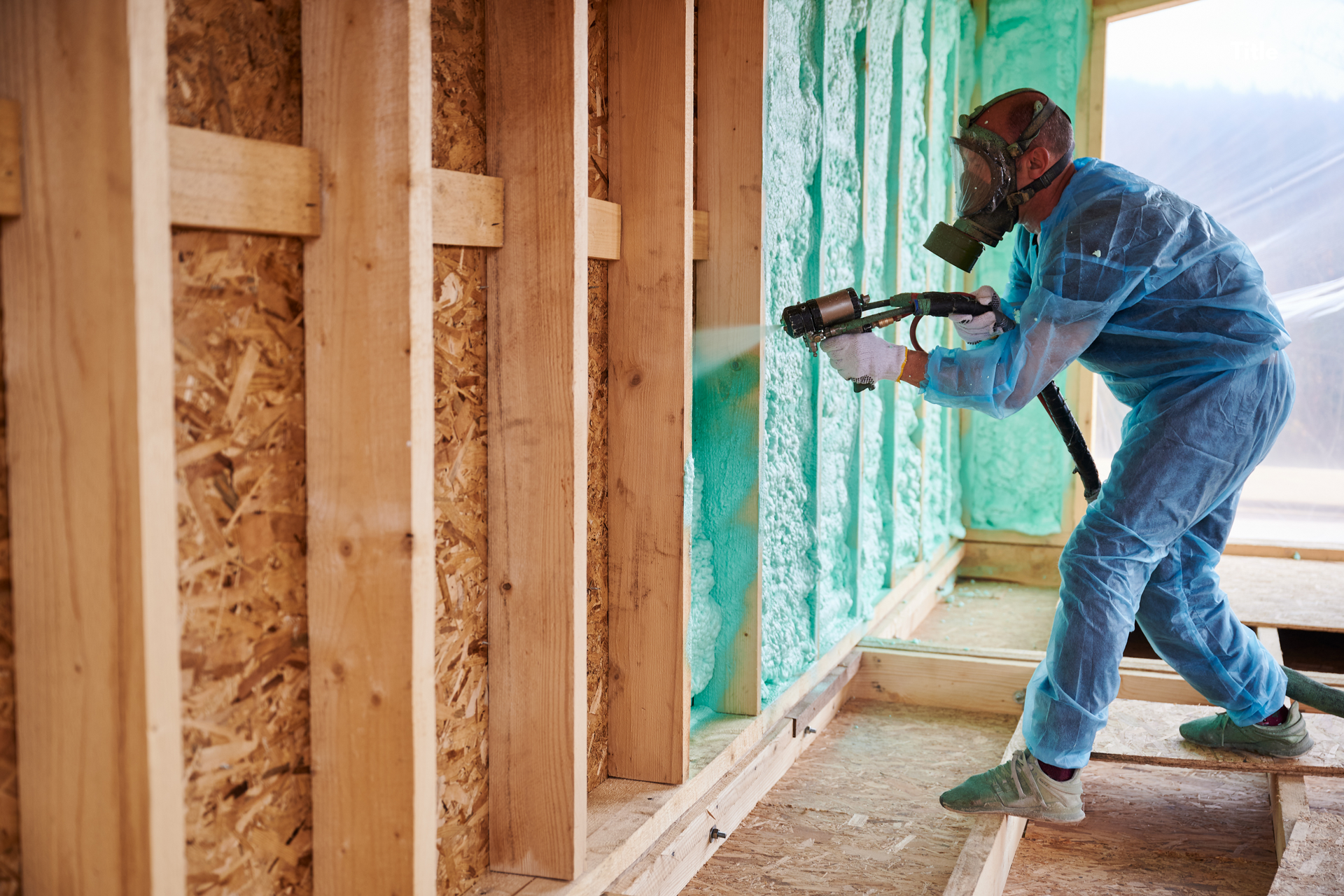
The installation process is quick, clean, and minimally invasive—perfect for existing homes as well as new builds. Here’s how professional installers, like [Sprayfoam Solutions LLC –
https://sprayfoamsolutionsllc.com/], typically perform the job:
- Assessment and Preparation:
The insulation team evaluates your attic or wall cavities, identifies existing insulation, and determines the optimal R-value for your home’s location. - Equipment Setup:
A blowing machine located outside feeds loose insulation through a long hose that runs into your home. - Application:
The installer carefully blows the material into the target area, ensuring even coverage and consistent depth. - Air Sealing:
Before blowing insulation, professionals often seal air leaks with spray foam or caulk to enhance performance. - Final Inspection:
The team checks that the insulation is evenly distributed and meets local energy efficiency requirements.
The entire process for an average-sized home usually takes
less than a day.
When to Use Blow-In Insulation
Blow-in insulation is highly versatile and can be used in several applications, especially where space or access is limited.
1. Attic Upgrades
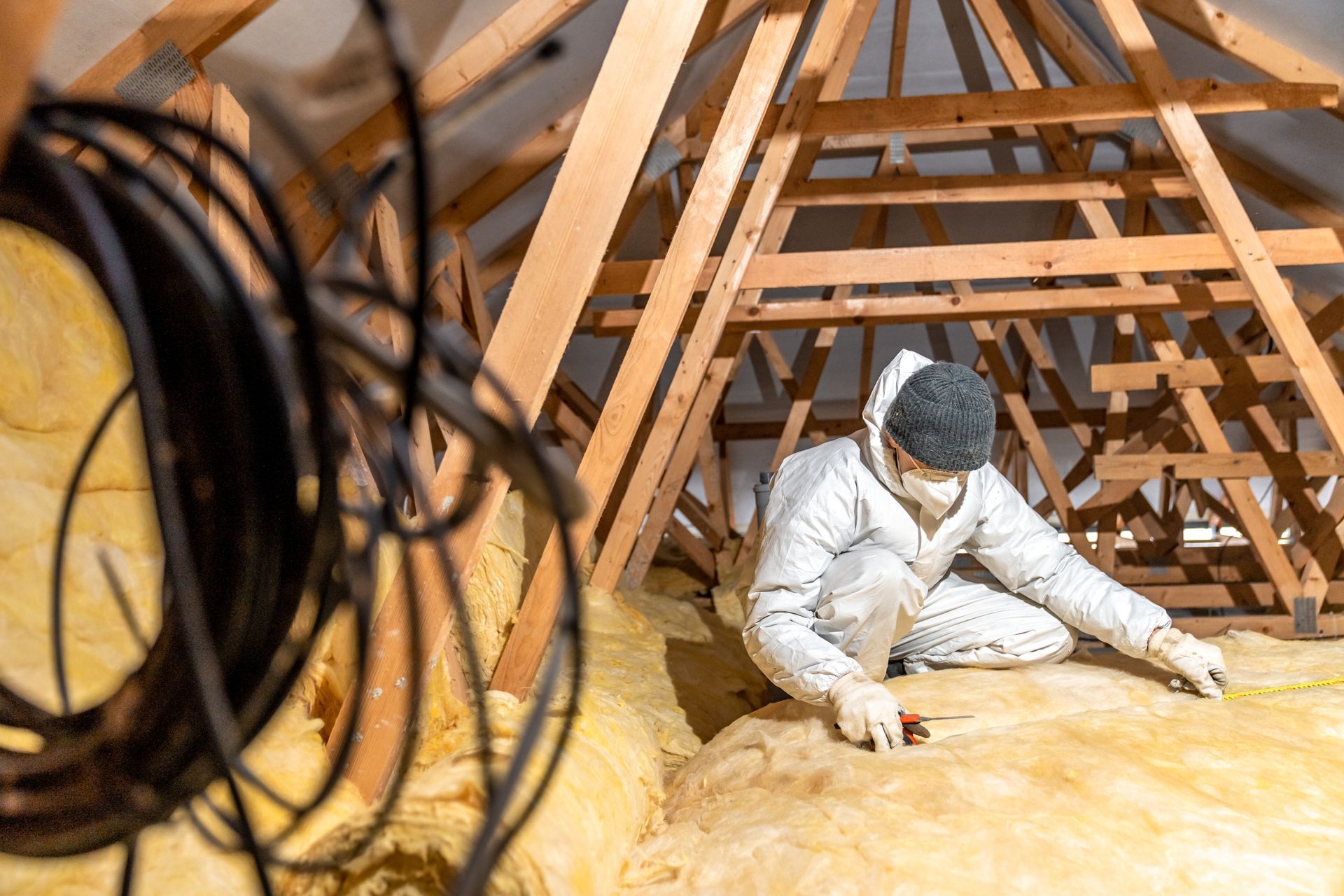
Attics are one of the most common and cost-effective areas to insulate. Blow-in insulation can easily cover irregular framing and fill small crevices around pipes and wiring, making it ideal for improving existing attics.
2. Wall Retrofits
If your home’s exterior walls lack insulation, blow-in material can be installed without major remodeling. Small holes are drilled into the wall cavity, the material is injected, and the holes are sealed afterward.
3. Crawl Spaces and Basements
Loose-fill insulation can be used to fill joist cavities or rim joists in basements to prevent drafts and heat loss through the foundation area.
4. New Construction
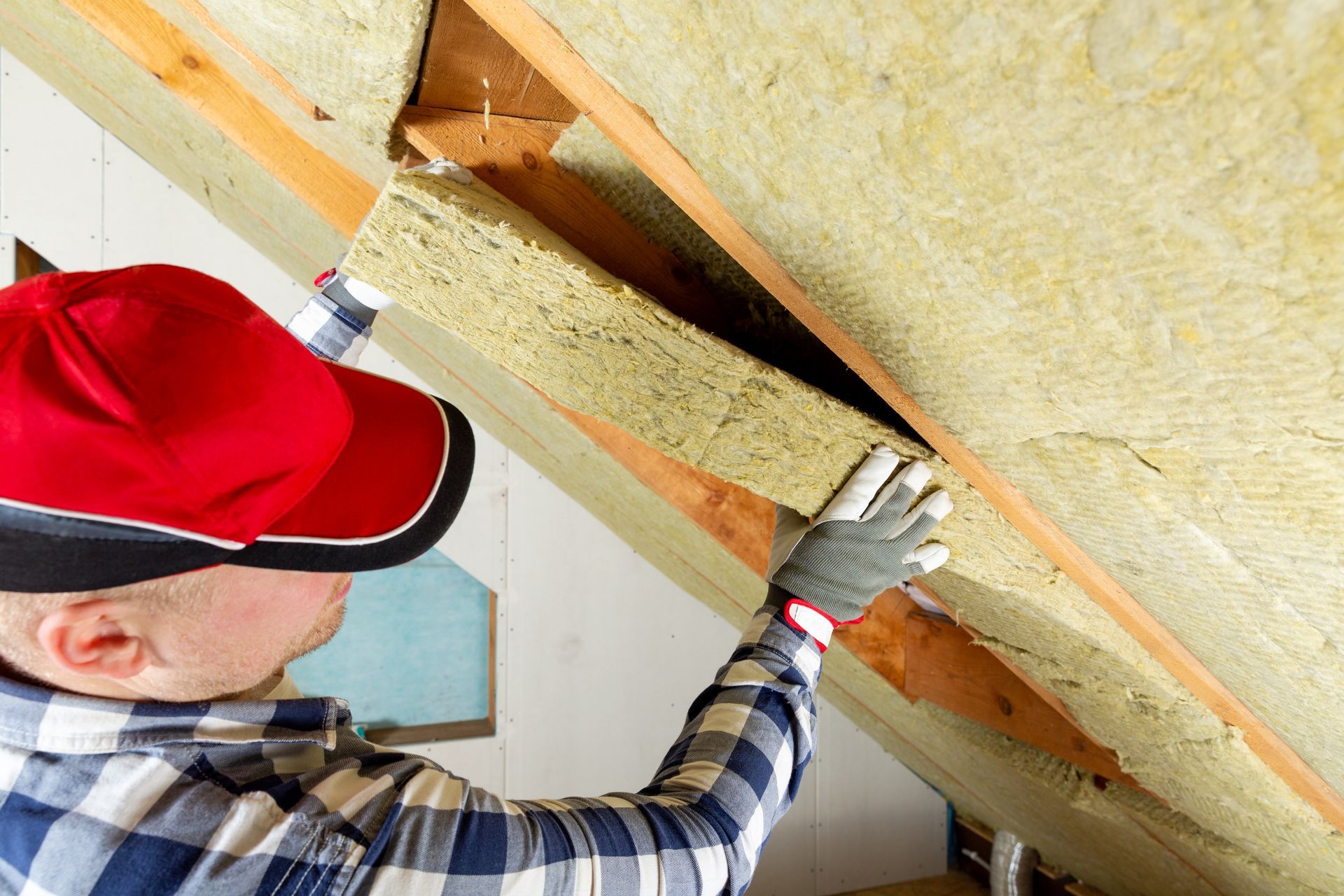
Builders often choose blow-in insulation for new homes because it offers faster installation and better coverage than fiberglass batts, helping homes meet modern energy codes.
Benefits of Blow-In Insulation
Upgrading your home with blow-in insulation provides both immediate and long-term benefits:
- Energy Savings: Reduces heating and cooling costs by up to 20–30%.
- Comfort: Maintains consistent indoor temperatures year-round.
- Soundproofing: Densely packed fibers absorb sound and reduce noise transmission.
- Air Sealing: Fills gaps and small voids for improved energy performance.
- Environmentally Friendly: Many products use recycled materials and reduce energy consumption.
- Quick Installation: Most jobs are completed in one day, with minimal disruption.
For Colorado homeowners, these benefits add up to improved comfort and significant energy efficiency gains, especially during cold winters and warm summer days.
Comparing Blow-In to Other Insulation Types
The body content of your post goes here. To edit this text, click on it and delete this default text and start typing your own or paste your own from a different source.
| Feature | Blow-In Insulation | Fiberglass Batts | Spray Foam |
|---|---|---|---|
| Coverage | Excellent, fills all spaces | Moderate | Excellent |
| R-Value (per inch) | 2.5–3.8 | 2.2–3.5 | 6.0–7.0 |
| Air Seal | Moderate | Poor | Excellent |
| Cost | Moderate | Low | High |
| Installation Time | Fast | Moderate | Fast |
| Soundproofing | Good | Fair | Excellent |
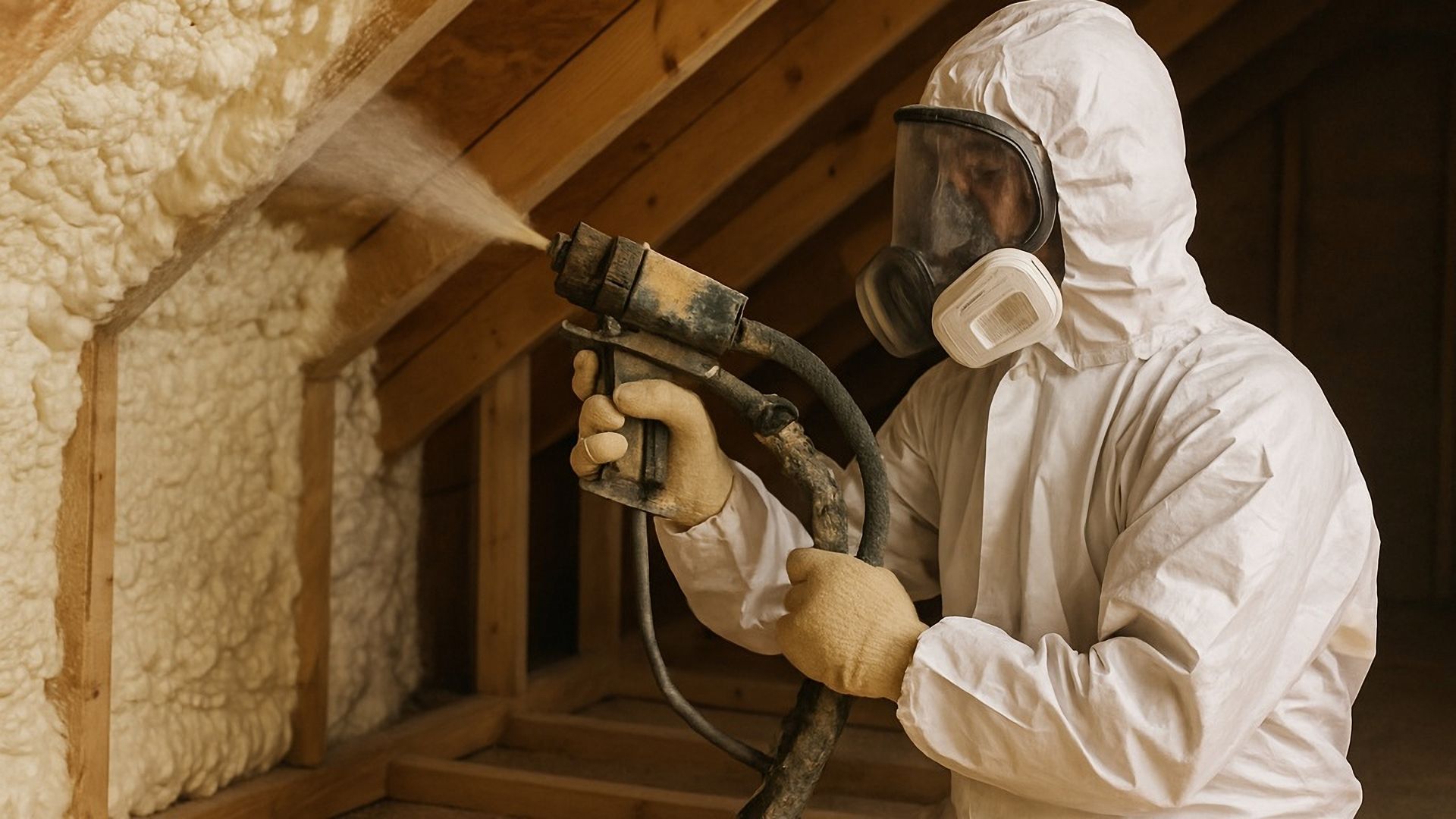
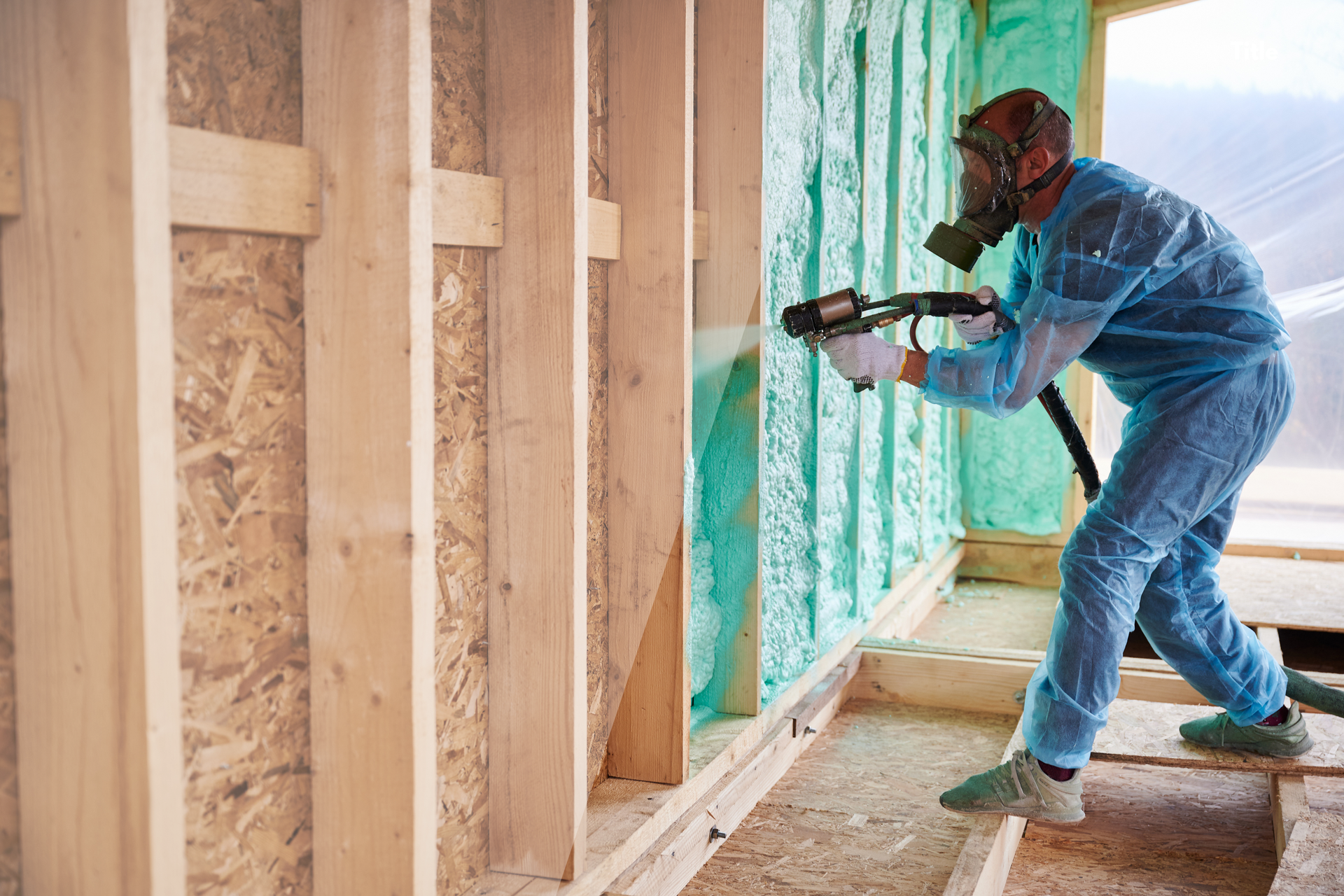
While spray foam insulation offers the highest R-value and air seal, blow-in insulation provides a balanced combination of cost-effectiveness and performance, making it one of the best upgrades for older homes or budget-conscious projects.
Recommended R-Values for Colorado Homes
Because of the state’s diverse climate zones, homeowners in
Fort Collins, Greeley, and Loveland should aim for these R-values:
- Attics: R-49 to R-60
- Walls: R-19 to R-21
- Floors: R-25 to R-30
If your current insulation doesn’t meet these standards, adding blow-in insulation can help your home perform more efficiently.
Frequently Asked Questions
1. How long does blow-in insulation last?
When installed properly, it can last 20 to 30 years or more without losing significant performance.
2. Can you install blow-in insulation over existing insulation?
Yes. It’s often added on top of existing fiberglass batts to boost overall R-value and improve coverage.
3. Does blow-in insulation settle over time?
Some settling may occur, especially with cellulose, but professionals account for this by adding extra material during installation.
4. Is blow-in insulation safe for homes?
Absolutely. All materials used meet fire safety standards and are non-toxic when properly installed.
5. How much does it cost to install?
Costs vary by size and type, but most homeowners in Colorado spend between $1.25 and $2.00 per square foot, depending on material choice and depth.
Professional Insulation Services in Northern Colorado
Proper insulation is one of the smartest home improvements you can make, offering immediate comfort and long-term savings.
Blow-in insulation is particularly effective for homeowners looking to upgrade existing spaces without major renovations.
Sprayfoam Solutions LLC provides professional installation services across
Fort Collins, Greeley, Loveland, Windsor, and surrounding Colorado communities. Their team ensures consistent coverage, correct R-values, and energy-efficient results for every project.
To schedule a free insulation consultation or request a project estimate, visithttps://sprayfoamsolutionsllc.com/ or call (970) 740-7780.