How Spray Foam Seals Air Leaks Better Than Traditional Insulation
Spray Foam Insulation Seals Air Leaks Better Than Traditional Insulation

If your home feels drafty in winter or your energy bills keep climbing, the problem may not be your HVAC system—it could be air leaks. Small gaps around windows, ceilings, and walls can allow heated or cooled air to escape, forcing your furnace or air conditioner to work harder.
While traditional insulation materials like fiberglass or cellulose can slow heat transfer, they don’t stop airflow. Spray foam insulation, on the other hand, creates a continuous air seal that locks conditioned air inside and blocks outdoor air from entering.
In Colorado’s variable climate—where temperature swings and strong winds are common—this air-sealing advantage can make a major difference in both comfort and energy savings.
What Causes Air Leaks in Homes
Air leaks occur wherever there are openings or cracks in the building envelope. Over time, even well-built homes can develop leaks through:
- Gaps around windows and doors
- Recessed lighting fixtures
- Electrical outlets or wiring holes
- Attic hatches and crawl spaces
- Duct penetrations and plumbing vents
- Cracks in framing or sheathing
These leaks create uncontrolled air movement between the interior and exterior, a process known as air infiltration. During Colorado winters, warm indoor air escapes through the roof and walls, while cold outdoor air seeps in through lower areas—creating drafts and uneven temperatures.
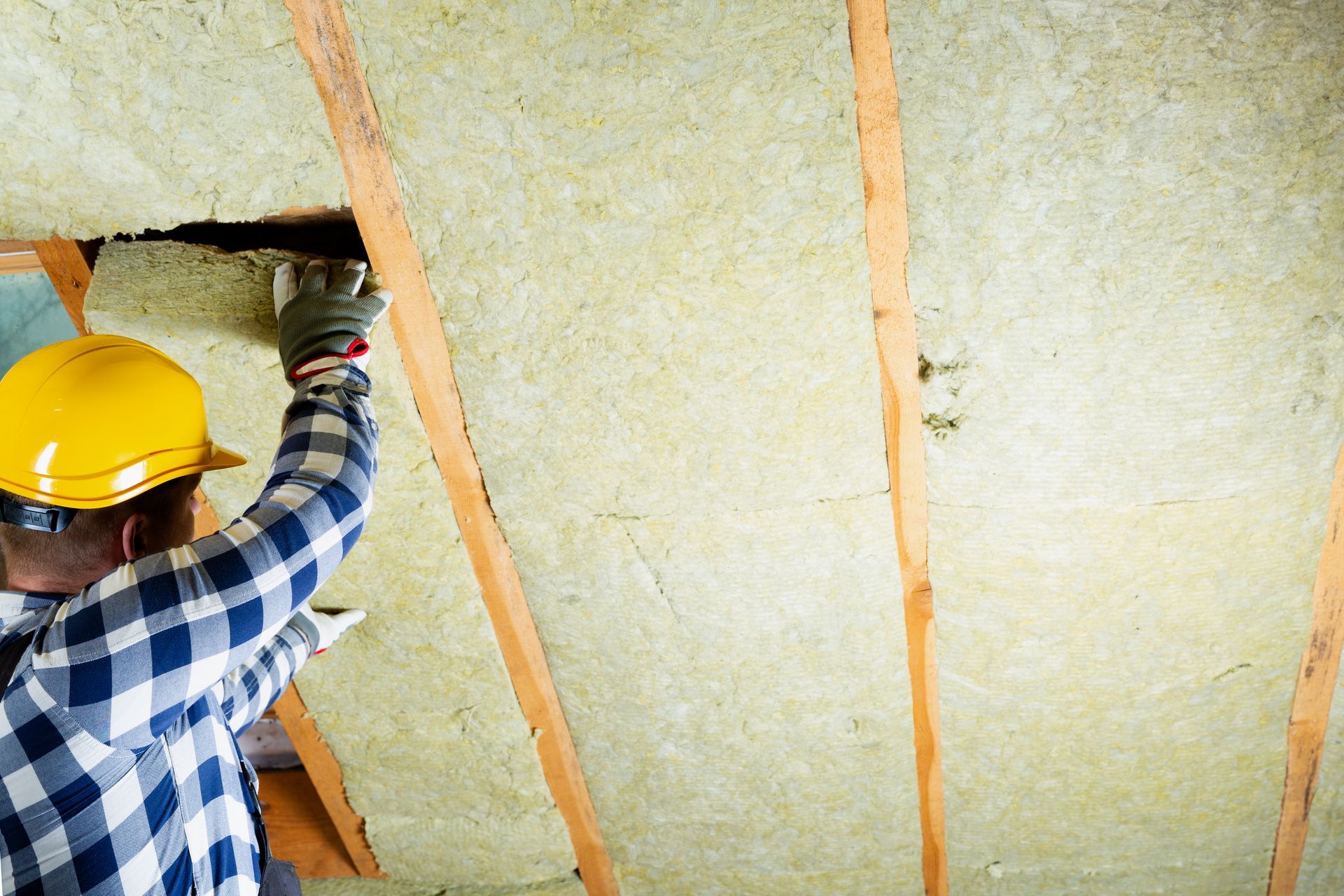
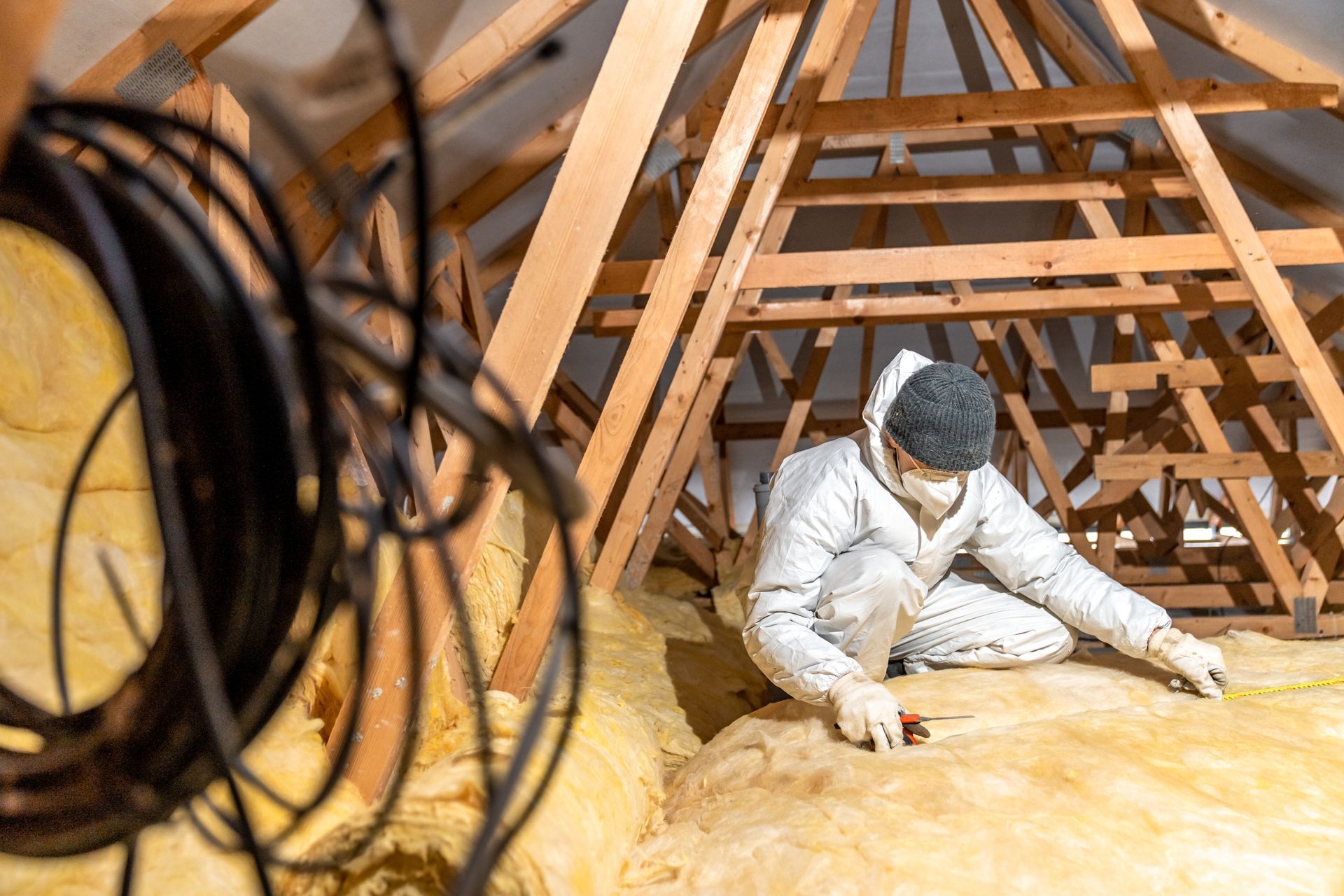
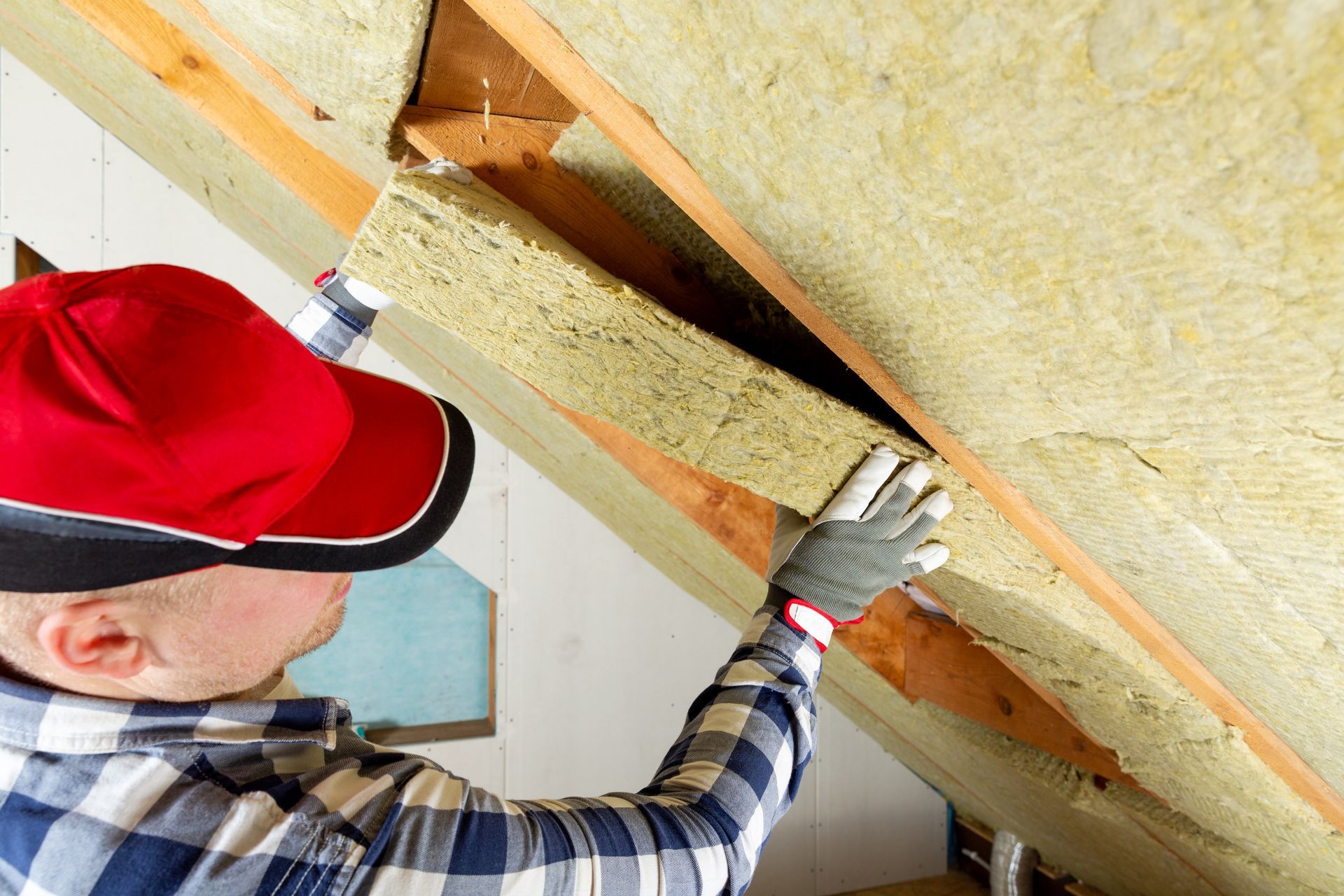
Traditional insulation like fiberglass batts may cover these areas but cannot
seal them. Air can still flow through or around the material, reducing its effectiveness.
How Spray Foam Insulation Stops Air Leaks
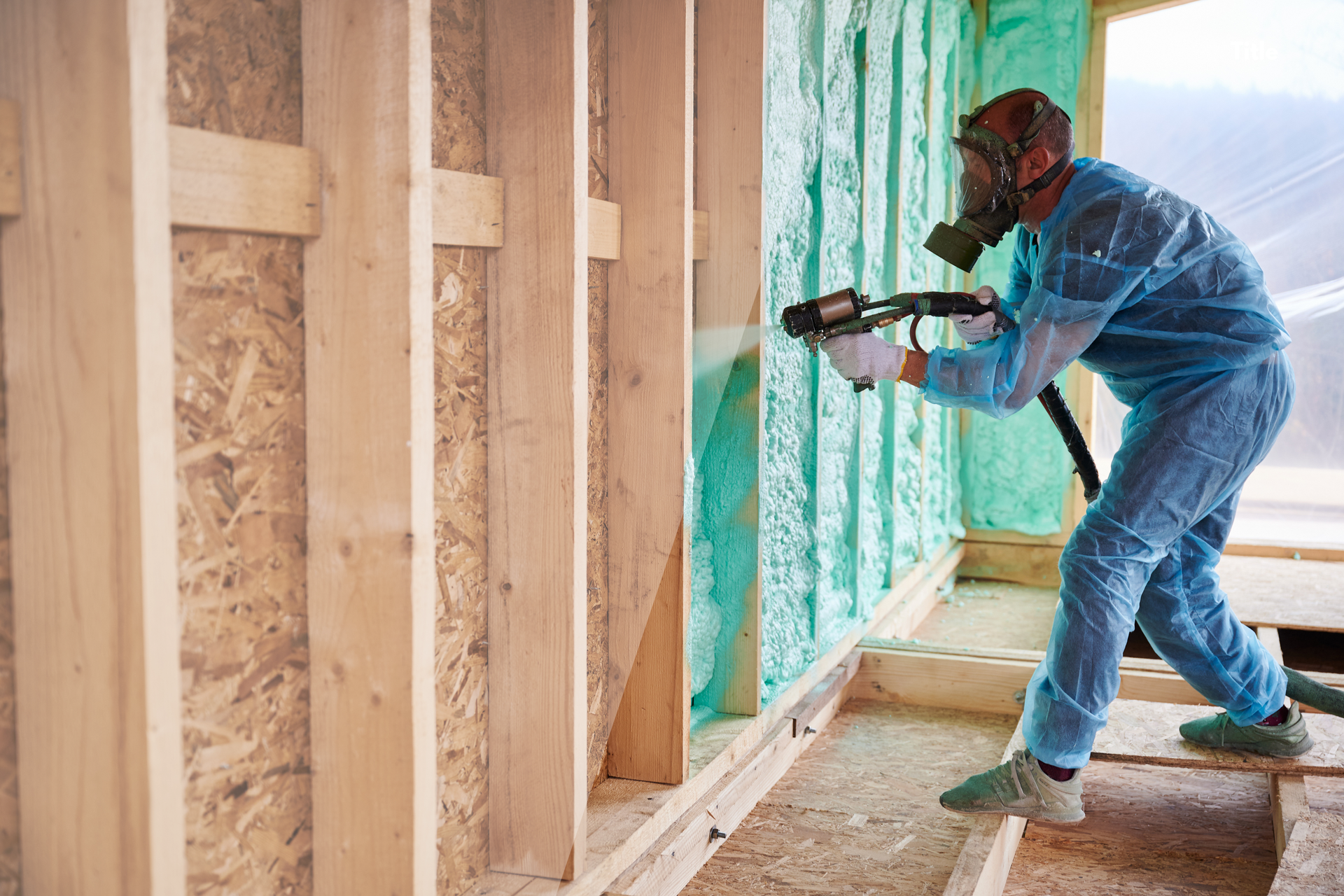
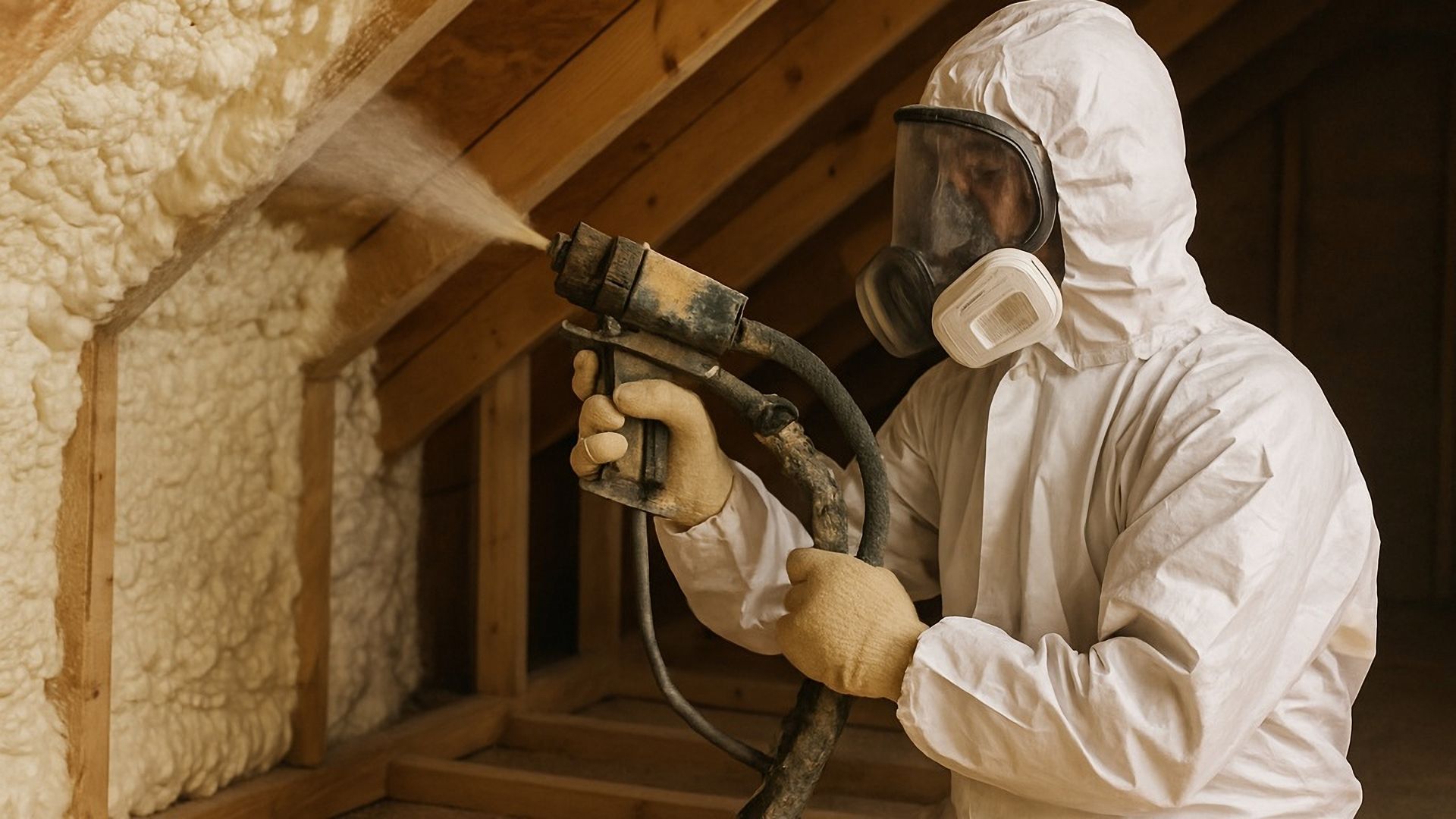
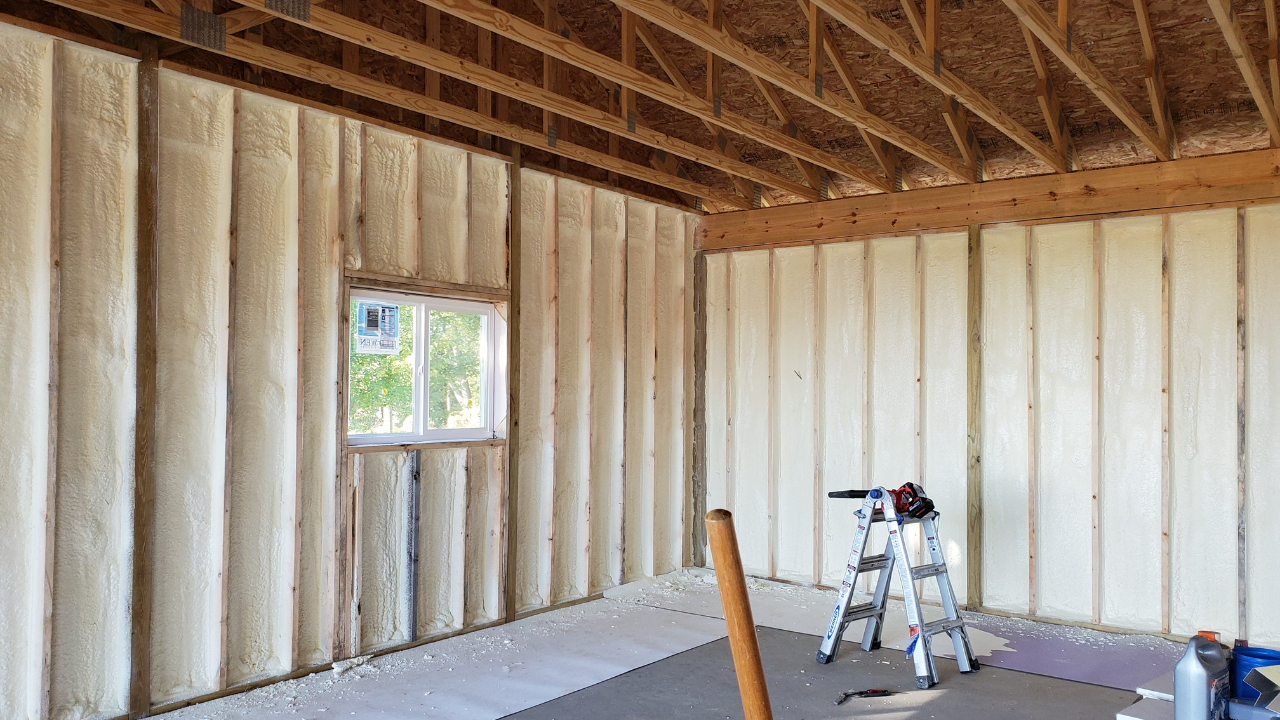
Spray foam insulation is unique because it expands upon application, forming a solid, airtight barrier. It fills gaps, cracks, and voids that other materials cannot reach, effectively sealing the building envelope.
There are two main types of spray foam used in Colorado homes:
1. Open-Cell Spray Foam
- Expands rapidly and is lightweight.
- Ideal for interior walls and soundproofing.
- Creates an air barrier while allowing slight vapor permeability for moisture control.
2. Closed-Cell Spray Foam
- Denser and more rigid, with higher R-value per inch.
- Provides both an air and moisture barrier.
- Adds structural strength to walls, roofs, and framing members.
When installed professionally, spray foam insulation fills every gap around framing and penetrations, ensuring no air can escape. This comprehensive seal drastically reduces energy loss and improves indoor air quality.
Comparing Air Sealing Performance: Spray Foam vs. Traditional Insulation
| Feature | Spray Foam Insulation | Fiberglass / Cellulose |
|---|---|---|
| Air Sealing | Excellent - fully seals all gaps | Limited - air can pass through or around |
| R-Value per Inch | 6.0-7.0 (closed-cell) | 2.2-3.8 |
| Moisture Resistance | High | Moderate |
| Durability | Long-lasting, no settling | May sag or degrade over time |
| Soundproofing | Very good (open-cell) | Fair |
| Mold Resistance | Excellent | Variable may trap moisture |
Because spray foam serves as both insulation and air barrier, it performs two essential functions in one application—reducing heat loss and preventing uncontrolled airflow.
Traditional materials require additional sealing measures like caulking, vapor barriers, or air-seal tapes to achieve the same effect, and even then, results can vary.
The Science Behind Air Sealing and Energy Efficiency
According to the U.S. Department of Energy, air leakage accounts for 25–40% of the energy used for heating and cooling in the average home.
When you seal those leaks with spray foam:
- Heating systems run less often, reducing energy use and extending equipment lifespan.
- Indoor temperatures remain stable, eliminating drafts and hot/cold zones.
- Humidity control improves, reducing condensation and mold risks.
- Indoor air quality improves, since outside air carrying dust or allergens can’t infiltrate.
For Colorado homeowners, where cold winds and dry air dominate much of the year, the benefits are especially noticeable.
Where Spray Foam Air Sealing Makes the Biggest Impact
1. Attics and Roof Decks
These are the most common areas for energy loss. Spray foam applied to the underside of the roof deck creates a conditioned attic space, preventing heat from escaping through the roof.
2. Rim Joists and Crawl Spaces
These lower-level areas are notorious for drafts. Closed-cell foam provides excellent sealing and moisture protection against Colorado’s variable soil and temperature conditions.
3. Exterior Walls
During new construction or major renovations, spray foam in exterior walls seals the building envelope and provides superior R-value per inch, improving comfort across every room.
4. Around Windows and Doors
Spray foam fills tiny framing gaps where air infiltration is most common, reducing drafts and improving HVAC efficiency.
5. Basements and Garages
These areas often have uninsulated walls or open cavities. Spray foam can seal air leaks while also adding insulation and moisture protection.
Environmental and Comfort Benefits
Beyond saving energy, spray foam contributes to a healthier, more sustainable home:
- Reduced Carbon Footprint: Lower heating and cooling demand reduces overall energy use.
- Improved Air Quality: Sealed homes keep dust, pollen, and outdoor pollutants outside.
- Consistent Comfort: Balanced temperatures throughout the home, even during Colorado’s coldest nights or hottest afternoons.
- Longevity: Spray foam maintains its performance for decades without settling or degrading.
These combined benefits make spray foam a long-term solution for both comfort and energy efficiency.
Common Questions About Spray Foam Air Sealing
1. Does spray foam completely eliminate air leaks?
Yes, when properly installed, spray foam forms a continuous air barrier that seals leaks better than any traditional insulation material.
2. Can spray foam be added over existing insulation?
It depends on the area and existing material. In most cases, old insulation is removed first to ensure proper adhesion and air sealing.
3. Will spray foam help with noise reduction?
Open-cell spray foam significantly reduces airborne sound transfer, making your home quieter.
4. Is spray foam insulation safe for indoor air?
Once cured, spray foam is inert and safe. Always use a certified contractor to ensure proper installation and ventilation during curing.
5. How long does spray foam insulation last?
Spray foam can last
30 years or more without losing its air-sealing or insulating properties.
Professional Air Sealing in Northern Colorado
Air leaks are one of the most common—and most costly—issues in Colorado homes. If your home feels drafty or your utility bills are unusually high, it’s likely time for a professional air-sealing inspection.
Sprayfoam Solutions LLC provides expert spray foam insulation and air-sealing services for Fort Collins, Greeley, Loveland, Longmont, and surrounding Colorado communities. Their certified technicians use advanced equipment to identify leaks and apply high-performance spray foam for lasting results.
To schedule an evaluation or request an insulation estimate, visit https://sprayfoamsolutionsllc.com/ or call
(970) 740-7780.