Introduction
Noise can have a bigger impact on home comfort than most homeowners realize. Whether it’s traffic outside, neighbors nearby, or sound traveling between rooms, unwanted noise can make it difficult to relax, sleep, or focus. Fortunately, insulation isn’t just for temperature control—it’s also one of the most effective tools for soundproofing your home.
For homeowners in
Colorado, where houses are often built close together and weather conditions amplify outdoor sounds, choosing the right insulation can transform your living environment. This guide from
Sprayfoam Solutions LLC explains how different insulation types reduce noise and which materials work best for Colorado homes.
How Insulation Reduces Noise
Sound travels through air and solid materials in the form of vibrations. Insulation reduces these vibrations by either absorbing sound waves or blocking their transmission through walls, ceilings, and floors.
There are two main types of noise to consider:
- Airborne noise – sounds transmitted through the air, like voices, music, or traffic.
- Impact noise – vibrations from footsteps, machinery, or structural contact.
The most effective insulation for noise reduction combines density, air sealing, and flexibility to absorb and block both types of sound.
The Science of Soundproofing
To understand how insulation affects sound, it helps to know two key metrics:
- STC (Sound Transmission Class): Measures how well a wall or ceiling blocks airborne sound. Higher STC = better soundproofing.
- NRC (Noise Reduction Coefficient): Measures how much sound an insulation material absorbs. Higher NRC = more sound absorption.
Materials like
open-cell spray foam and
mineral wool perform exceptionally well in both categories, making them top choices for residential soundproofing.
Top Insulation Types for Noise Reduction
1. Spray Foam Insulation
Best Overall Soundproofing and Energy Efficiency
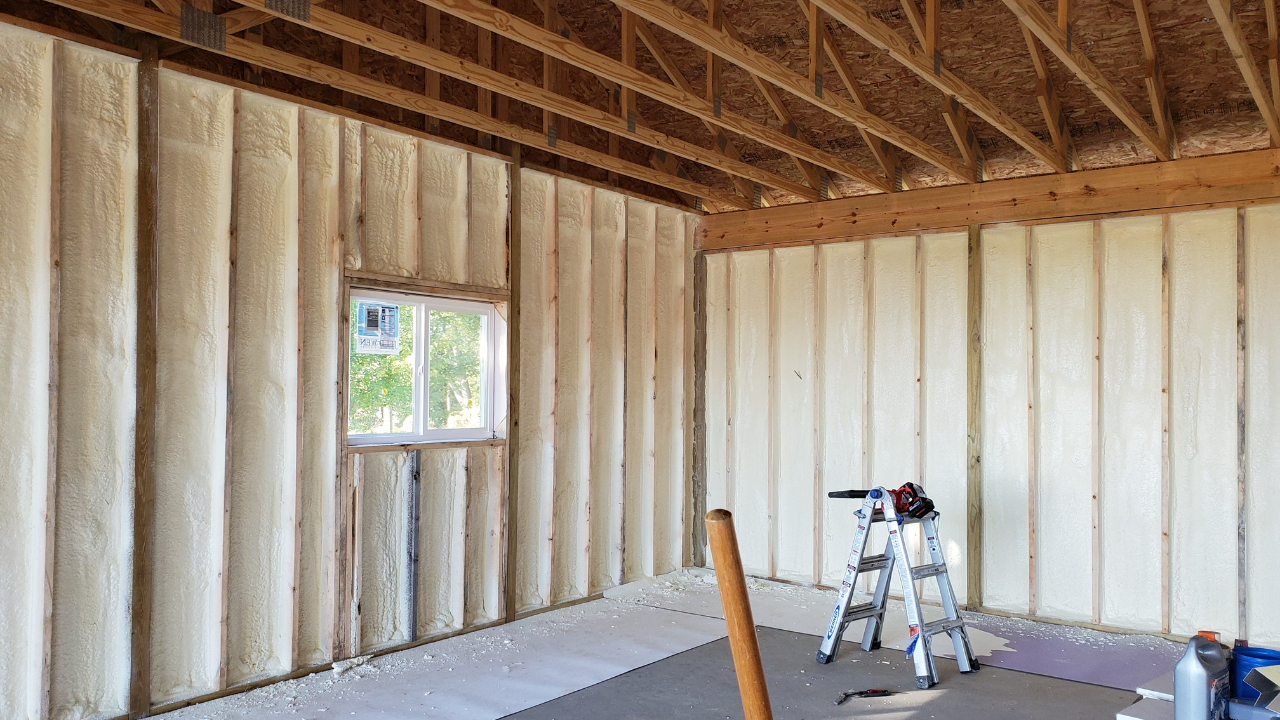
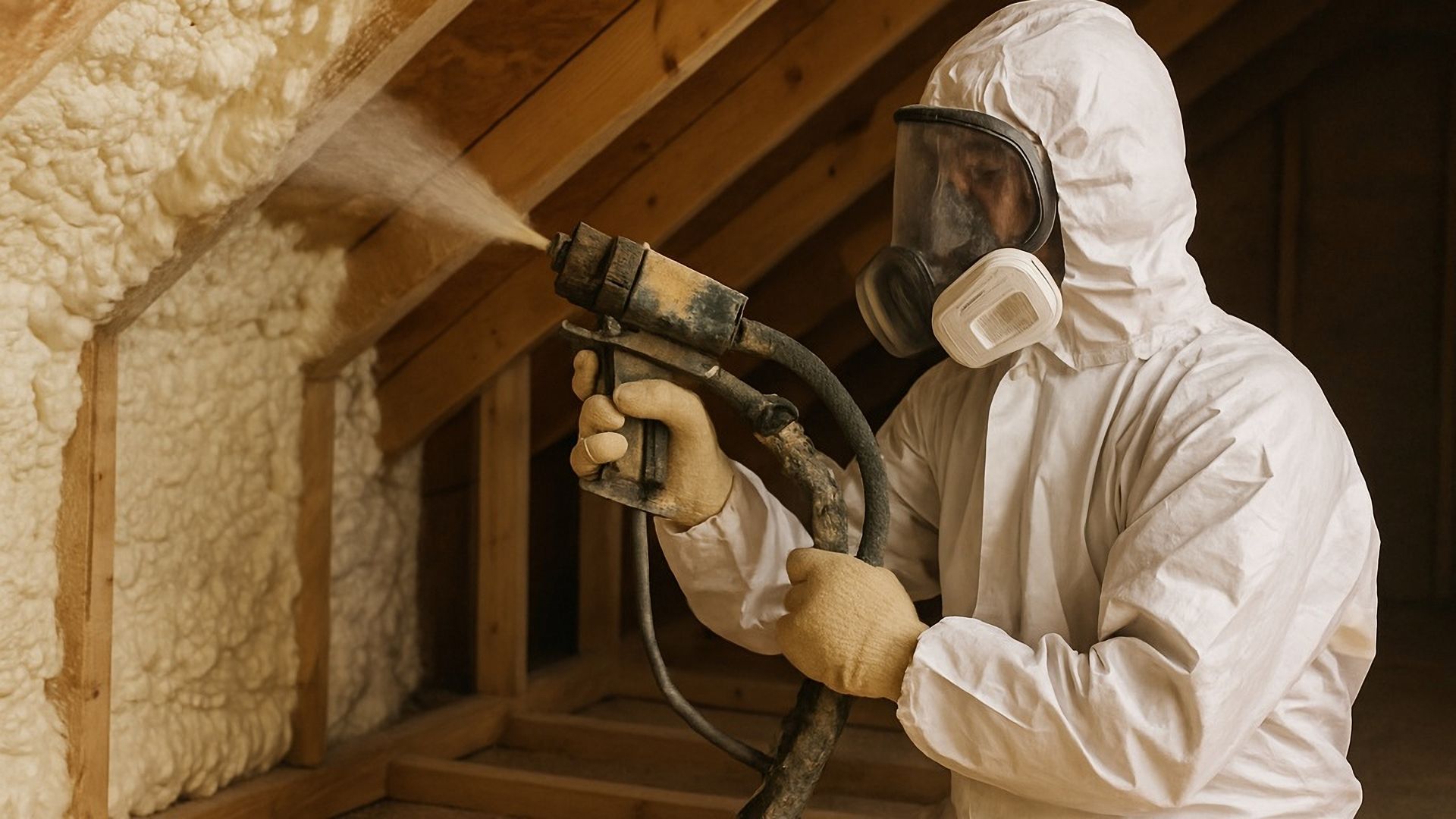
Spray foam insulation creates a continuous air seal that not only regulates temperature but also dramatically reduces airborne noise. The foam expands into wall and ceiling cavities, sealing gaps that allow sound waves to pass through.
Open-Cell Spray Foam:
- Highly effective at absorbing sound (high NRC rating)
- Expands significantly to fill every void
- Excellent for interior walls, ceilings, and between floors
Closed-Cell Spray Foam:
- Denser and more rigid
- Better for exterior walls and moisture-prone areas
- Adds structural strength while providing thermal and acoustic benefits
Advantages:
- Provides both sound and air sealing
- Enhances overall home comfort
- Long-lasting and maintenance-free
In Colorado homes—especially those near busy roads or open plains where wind noise is common—spray foam is the most versatile and effective option.
2. Mineral Wool (Rock Wool) Insulation
Excellent Sound Absorption and Fire Resistance
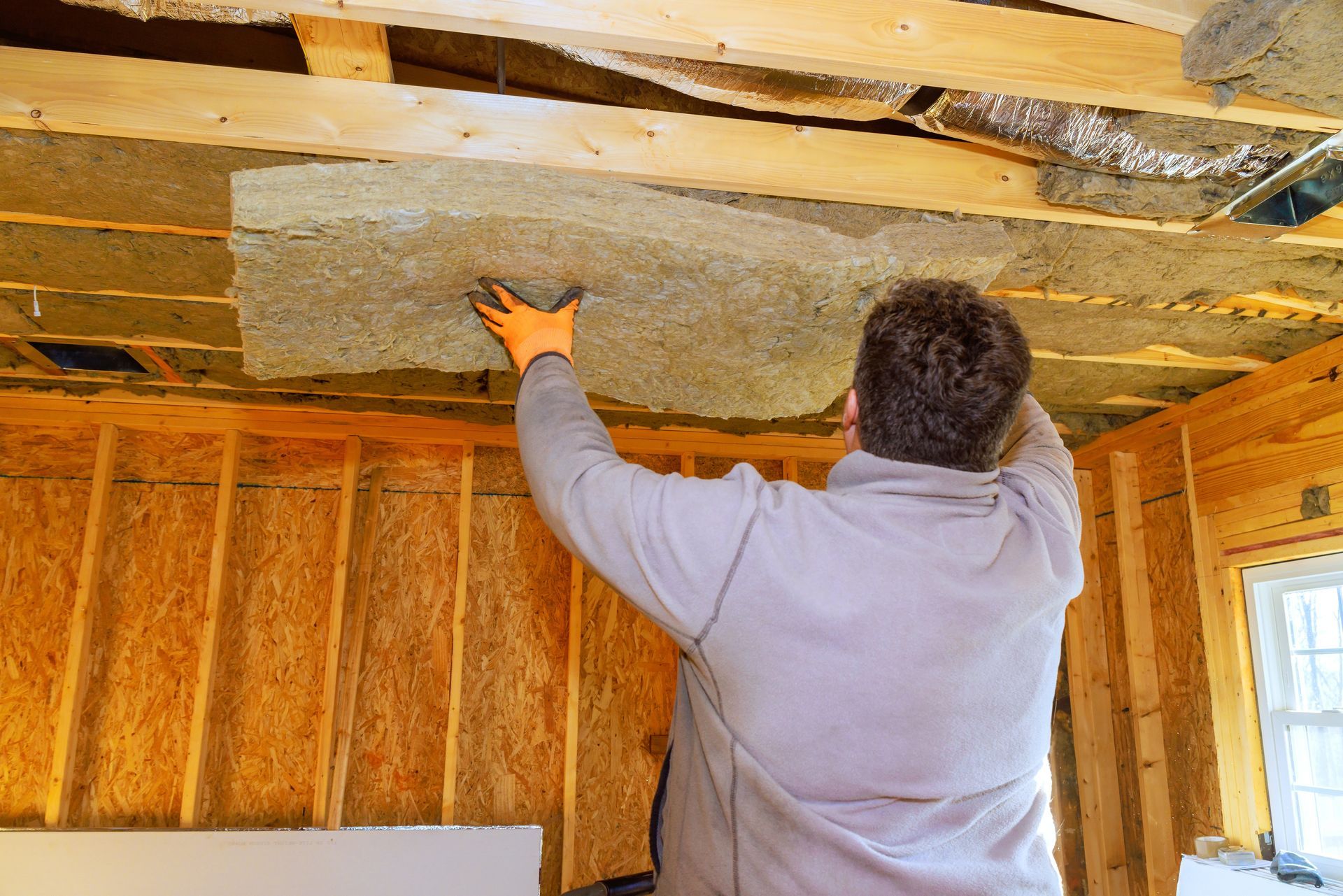
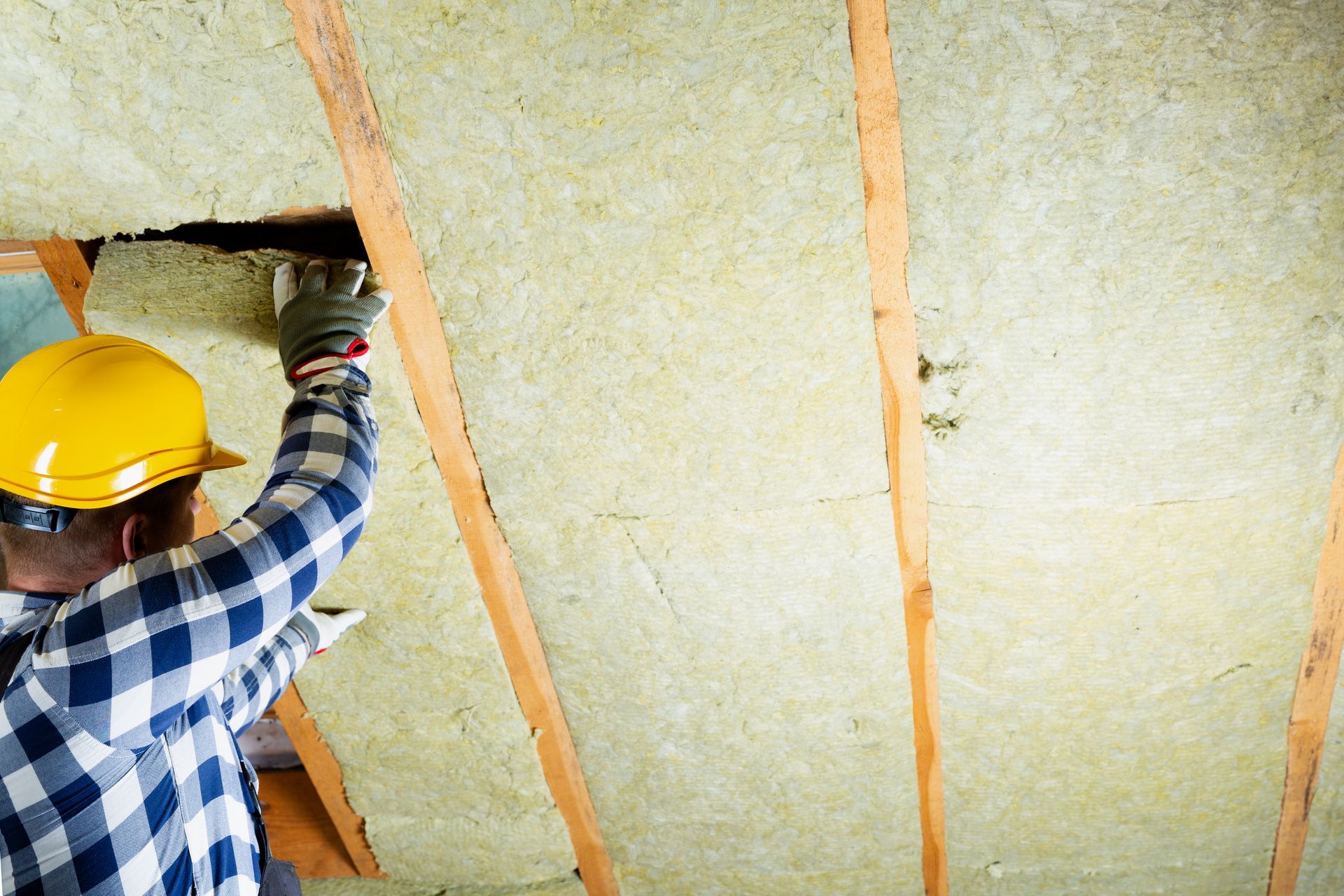
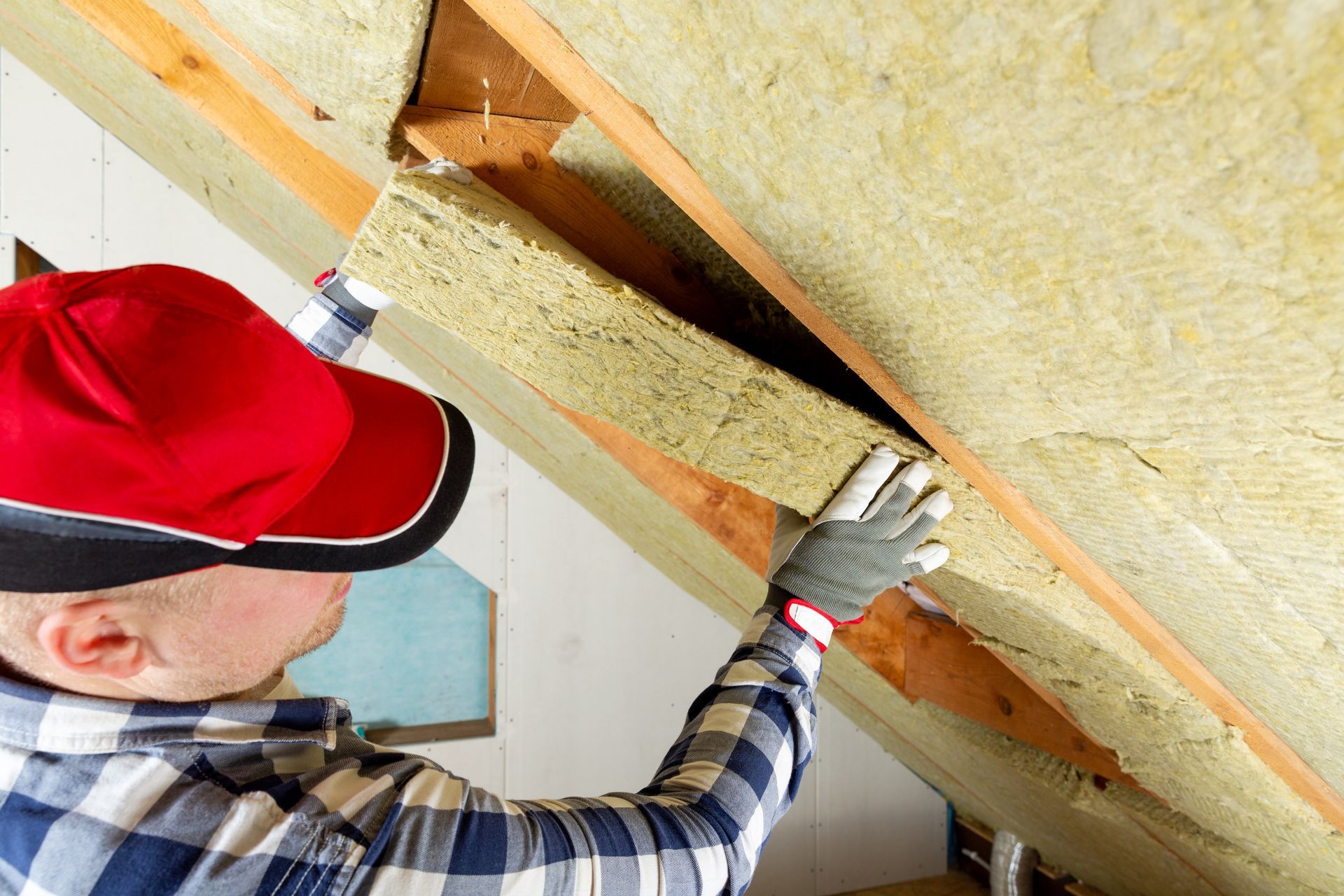
Made from volcanic rock or steel slag, mineral wool is denser than fiberglass and offers excellent acoustic performance. It’s often used in interior walls, basements, or media rooms to dampen noise.
Advantages:
- High density for superior sound blocking
- Fire-resistant and non-combustible
- Moisture and mold resistant
- Performs well in both wall and ceiling applications
Mineral wool is particularly effective when combined with spray foam or rigid boards for maximum sound isolation in multi-story homes or home offices.
3. Blow-In Cellulose Insulation
Eco-Friendly Sound Barrier
Cellulose insulation, made from recycled paper treated with fire retardants, is another strong performer for noise reduction. When densely packed, it helps absorb sound waves while improving thermal performance.
Advantages:
- Sustainable, made from recycled materials
- Excellent fit in irregular wall cavities
- Good at reducing airborne noise between rooms
Cellulose is a good option for existing homes because it can be blown into wall cavities without major construction.
4. Fiberglass Insulation
Affordable and Readily Available
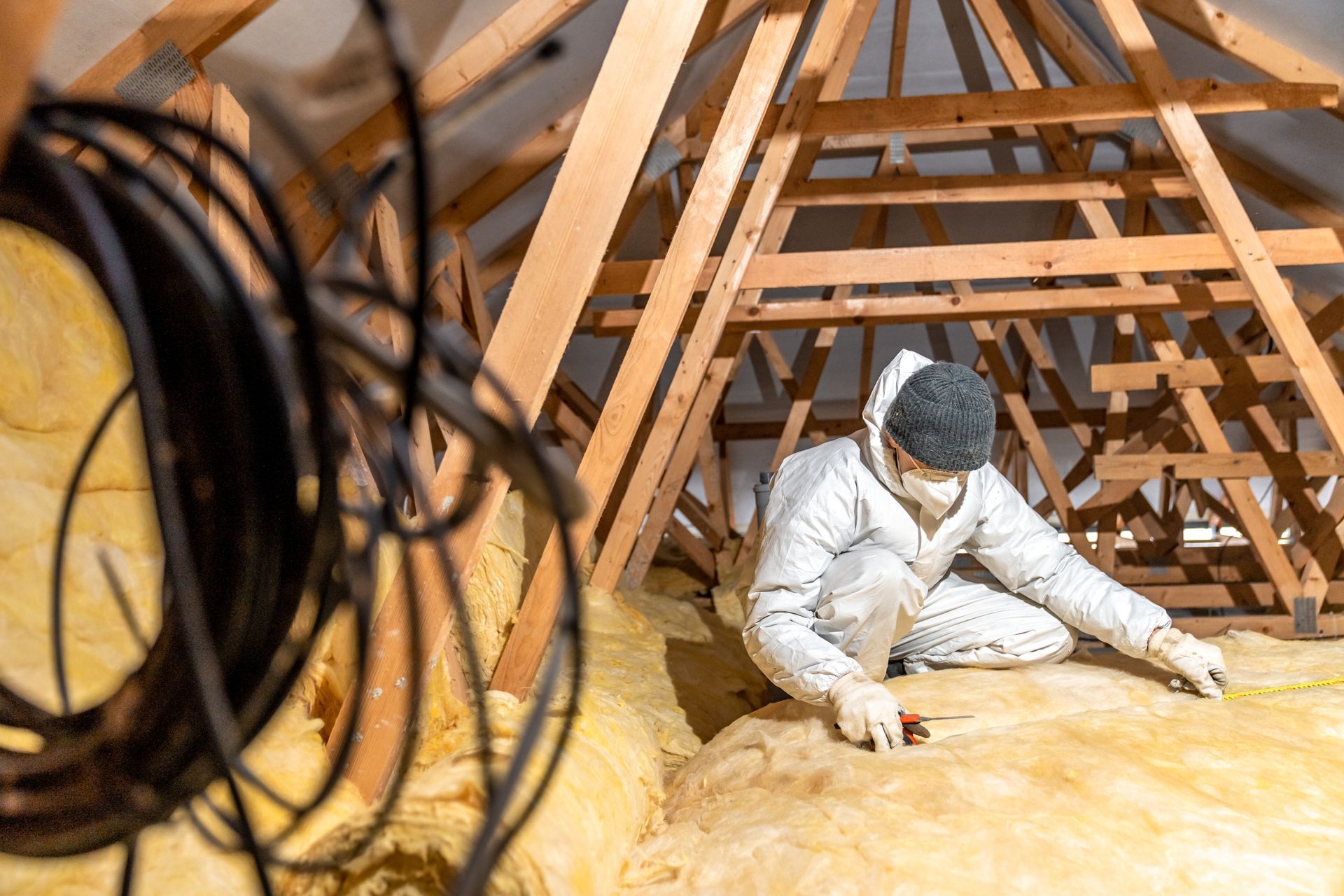
Fiberglass batts are the most common insulation used in residential construction. While they offer moderate sound control, they’re less effective at sealing air gaps where sound travels easily.
Advantages:
- Cost-effective and widely available
- Works well when layered with other insulation types
- Available in pre-cut batts or loose-fill forms
For best results, fiberglass should be combined with
sound-dampening drywall or
acoustic sealants in noise-sensitive areas.
Comparison: Which Insulation Blocks Noise Best?