Introduction
Ice dams are one of the most common and costly winter roofing problems for homeowners in Colorado. If you’ve ever noticed large icicles hanging from your roof or experienced water stains on ceilings after heavy snow, there’s a good chance an ice dam was the cause.
In areas like
Fort Collins, Greeley, Loveland, Windsor, and mountain communities throughout Northern Colorado, freezing temperatures combined with snow accumulation create ideal conditions for ice dams to form. The good news is that this issue is often preventable with proper insulation and air sealing.
One of the most effective solutions is
spray foam insulation. Unlike traditional insulation materials, spray foam creates an airtight seal that significantly reduces heat loss through the attic and roof system. This helps maintain consistent roof temperatures and prevents the snowmelt cycle that causes ice dams in the first place.
This guide explains how ice dams form, why they’re dangerous, and how spray foam insulation can protect your Colorado home during the winter months.
What Is an Ice Dam?
An ice dam forms when heat escapes from your home into the attic and warms the roof surface. Snow sitting on the warmer section of the roof begins to melt, and the water runs downward toward the colder roof edge or gutter.
Once the water reaches the colder edge, it refreezes into ice. Over time, this cycle continues and creates a ridge of ice along the roofline. As more melting snow accumulates behind the ice barrier, water can back up underneath shingles and leak into the home.
Common Signs of Ice Dams
Homeowners often notice ice dams only after damage has already begun. Common warning signs include:
- Large icicles hanging from gutters
- Ice buildup along roof edges
- Water stains on ceilings or walls
- Peeling paint near the roofline
- Damp attic insulation
- Mold or mildew odors in upper rooms
- Sagging gutters caused by heavy ice
If you experience any of these issues during winter, poor attic insulation and air leakage are likely contributing factors.
Why Colorado Homes Are Vulnerable to Ice Dams
Colorado’s climate creates perfect conditions for ice dam formation:
- Frequent snowfall
- Sunny winter afternoons followed by freezing nights
- Significant temperature fluctuations
- Dry air combined with heat loss through attics
- Mountain and foothill wind exposure
Homes in older neighborhoods around Fort Collins or Loveland are especially vulnerable because many were built with outdated insulation systems that do not meet today’s energy standards.
The Real Cause of Ice Dams: Heat Loss
Contrary to what many homeowners believe, snow itself is not the problem. The real issue is heat escaping from the living space into the attic.
When warm air leaks upward through ceilings, recessed lighting, attic hatches, plumbing penetrations, or poorly insulated walls, attic temperatures rise above freezing. That heat warms the roof deck and melts snow unevenly.
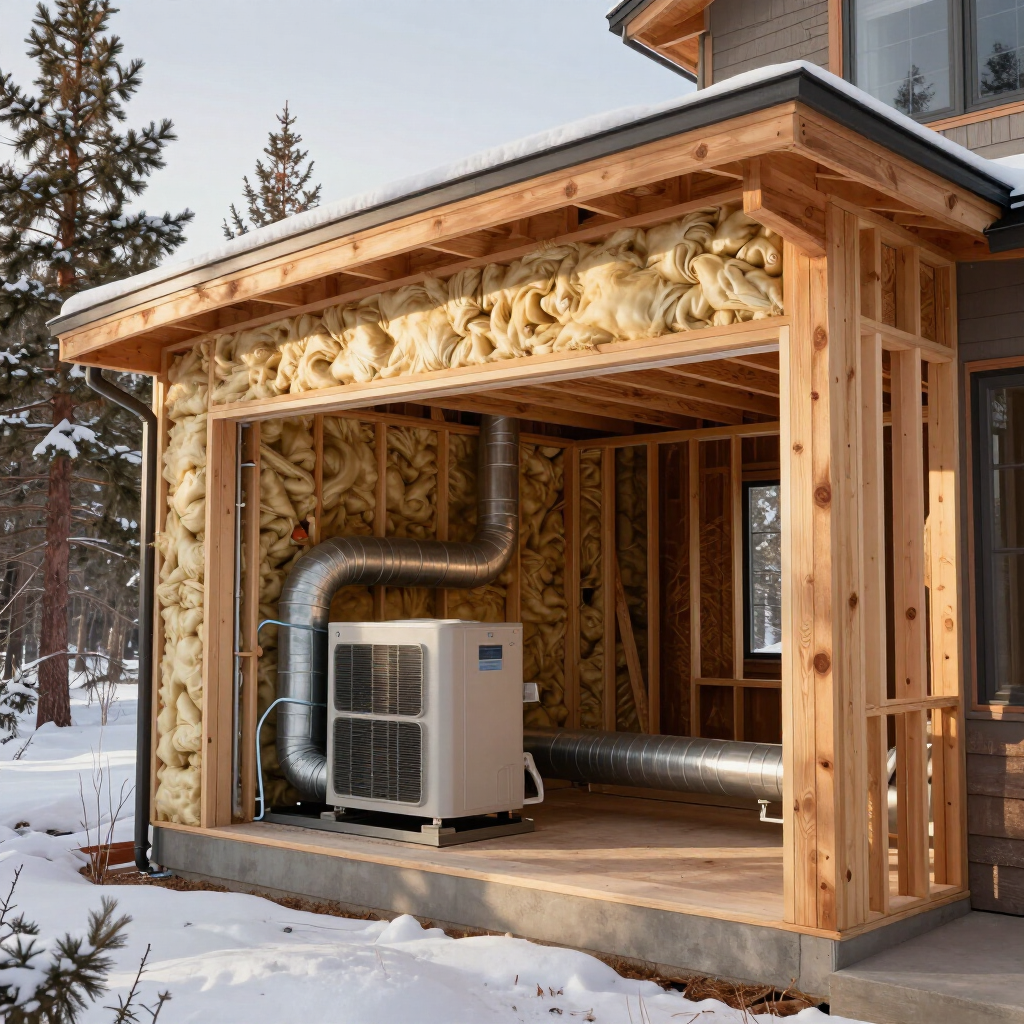
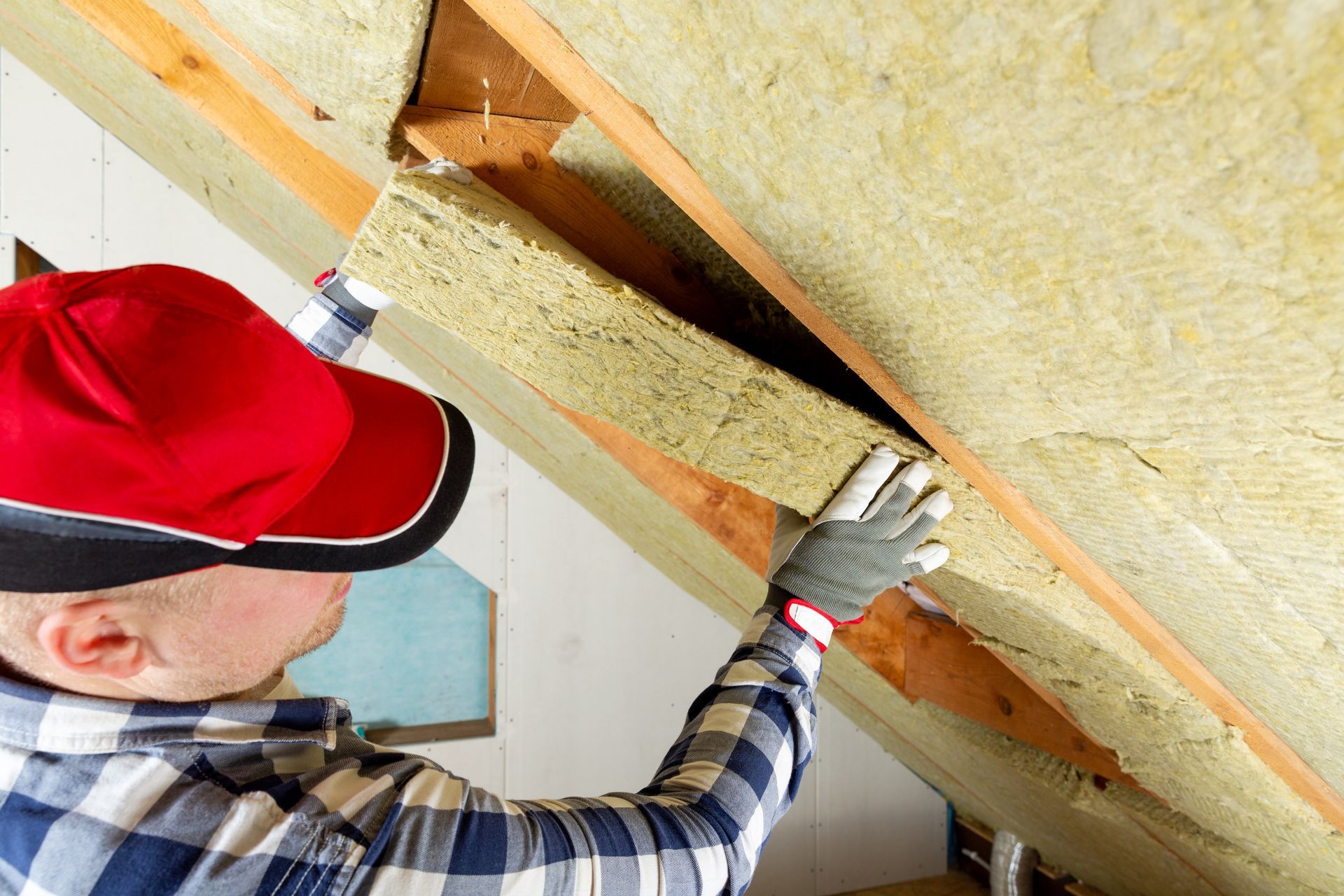
Traditional insulation materials like fiberglass batts may slow heat transfer, but they often fail to stop air movement. Even small gaps in insulation allow warm air to escape.
This is where spray foam insulation provides a major advantage.
How Spray Foam Insulation Prevents Ice Dams
1. Creates an Airtight Seal
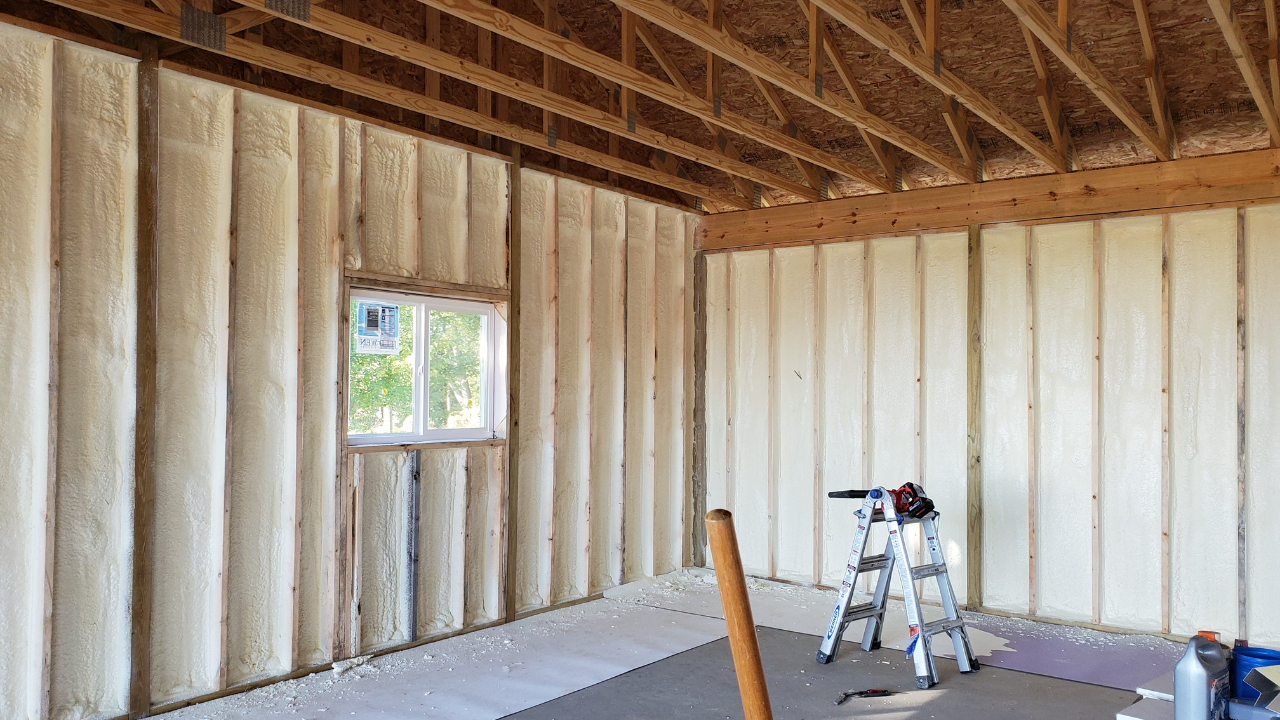
Spray foam insulation expands upon application and fills every crack, seam, and void. This prevents warm indoor air from escaping into the attic.
Unlike fiberglass or cellulose, spray foam acts as both:
By eliminating air leakage, attic temperatures remain closer to the outdoor temperature, preventing uneven roof warming.
2. Maintains Consistent Roof Temperatures
Ice dams occur when one section of the roof is warmer than another. Spray foam insulation minimizes temperature inconsistencies across the roof structure, helping snow melt evenly rather than refreezing at the edges.
This balanced thermal performance is especially important in Colorado’s freeze-thaw climate.
3. Reduces Moisture Problems
When warm indoor air reaches a cold attic, condensation can occur. Over time, this moisture damages insulation, wood framing, and drywall.
Closed-cell spray foam helps prevent condensation by sealing out humid air and resisting moisture absorption. This protects your attic from:
- Mold growth
- Wood rot
- Structural deterioration
4. Improves Energy Efficiency
Homes with spray foam insulation often experience:
- Lower heating costs
- Reduced furnace workload
- More stable indoor temperatures
- Fewer drafts
According to the U.S. Department of Energy, air sealing and insulation upgrades can reduce heating and cooling costs by up to 30%.
Best Areas to Apply Spray Foam for Ice Dam Prevention
Attic Roof Deck
Applying spray foam directly to the underside of the roof deck creates a conditioned attic space and prevents heat from escaping upward.
Attic Floor
In some homes, spray foam is used to seal penetrations and gaps in the attic floor before additional insulation is added.
Rim Joists
These areas are common sources of air leakage and heat transfer during winter.
Knee Walls and Vaulted Ceilings
Complex rooflines often contain hidden gaps that contribute to uneven roof temperatures.
Closed-Cell vs. Open-Cell Spray Foam
Both types of spray foam help reduce heat loss, but they serve slightly different purposes.