Introduction
Building a new home in Colorado is an exciting opportunity to create a space that is comfortable, energy-efficient, and built for long-term durability. One of the most important decisions during the construction process is choosing the right insulation system.
Many homeowners focus heavily on finishes, flooring, kitchens, and exterior design while overlooking one of the most critical components hidden behind the walls: insulation. However, insulation directly affects monthly energy costs, indoor comfort, moisture control, and even the lifespan of the home itself.
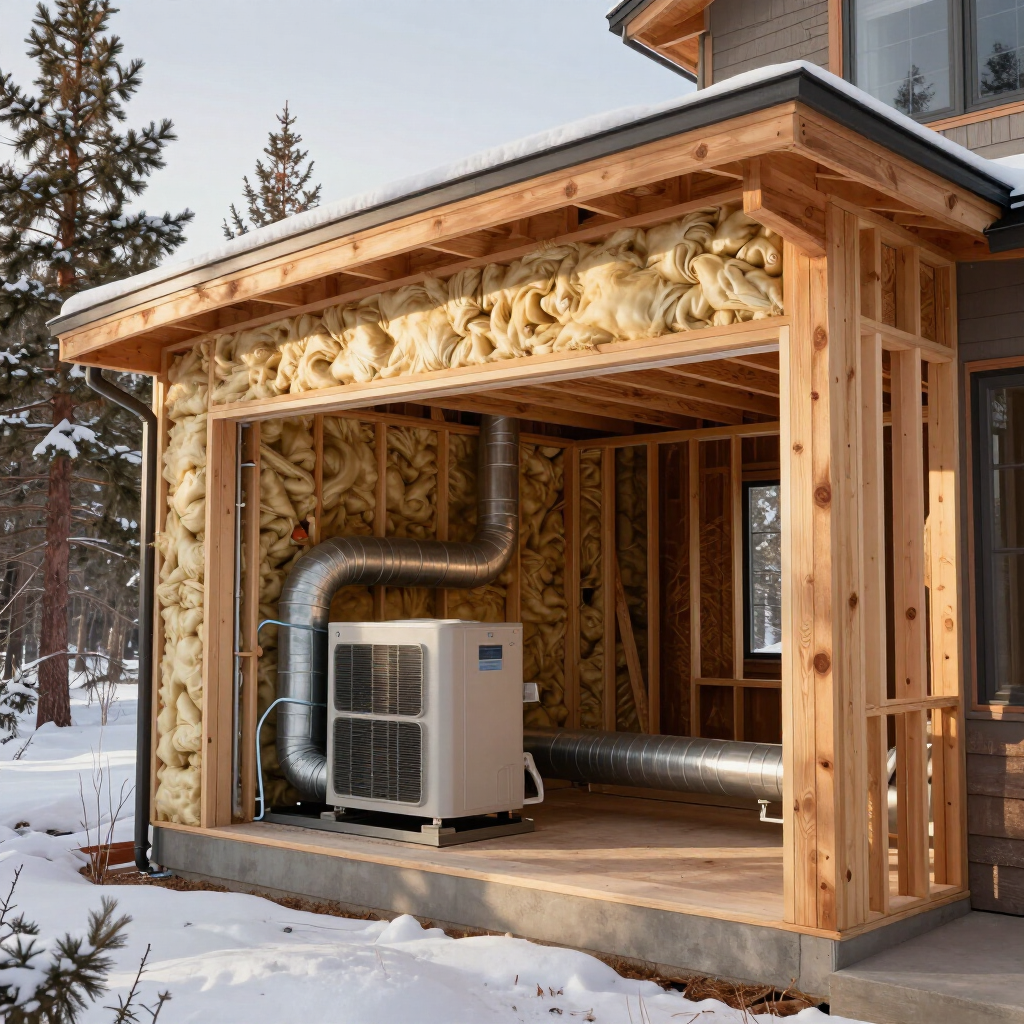
In Colorado’s demanding climate—where winter temperatures can plunge below freezing and summer afternoons can become surprisingly hot—high-performance insulation is essential for maintaining year-round efficiency. Modern insulation systems like
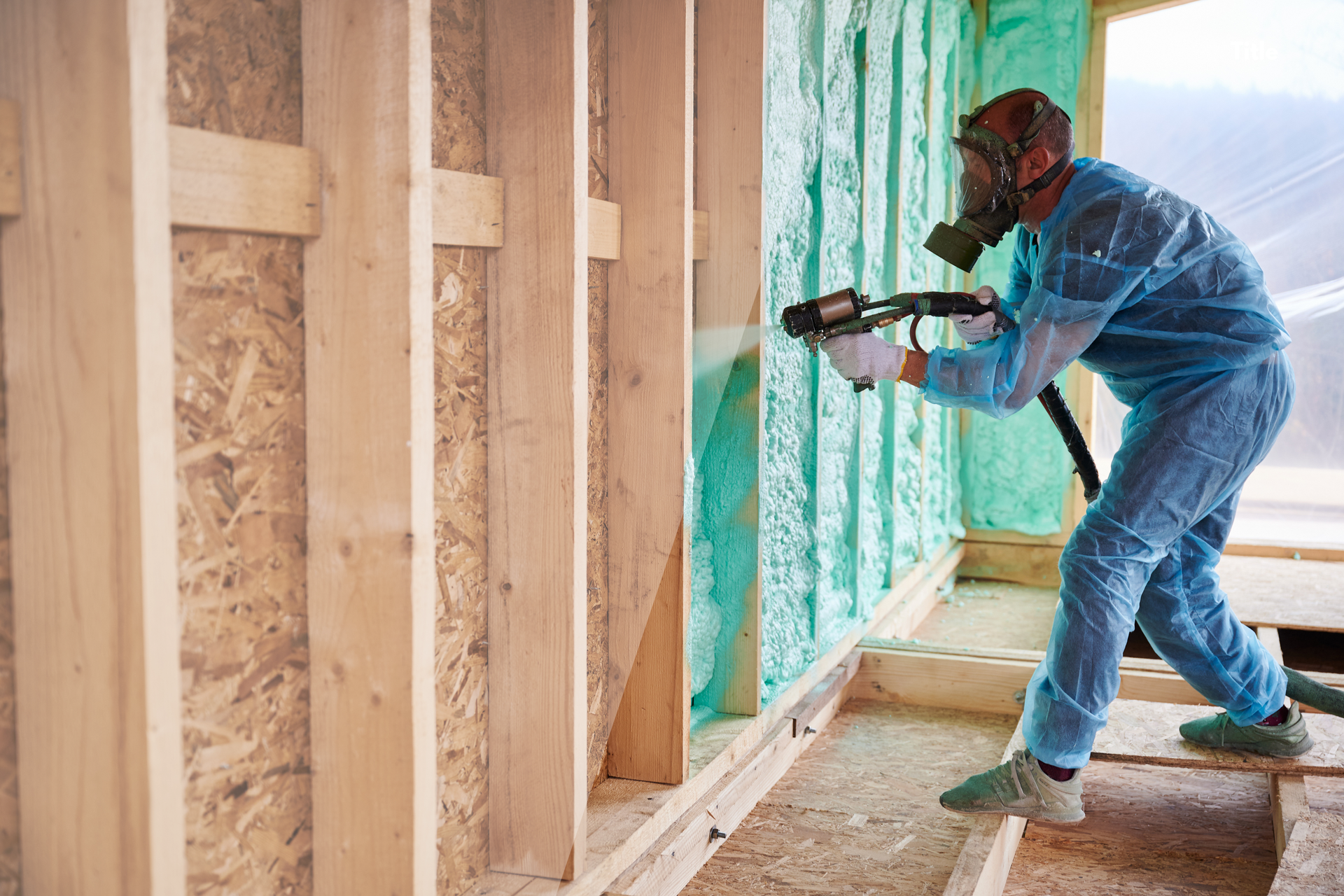
spray foam insulation,
blow-in insulation, and advanced air sealing techniques help new homes outperform older construction methods in nearly every category.
This guide explains why insulation matters so much in new construction homes and why builders and homeowners across
Fort Collins, Greeley, Loveland, Longmont, Windsor, and surrounding Northern Colorado communities are investing in high-performance insulation systems from the beginning.
Why Insulation Matters More in New Construction
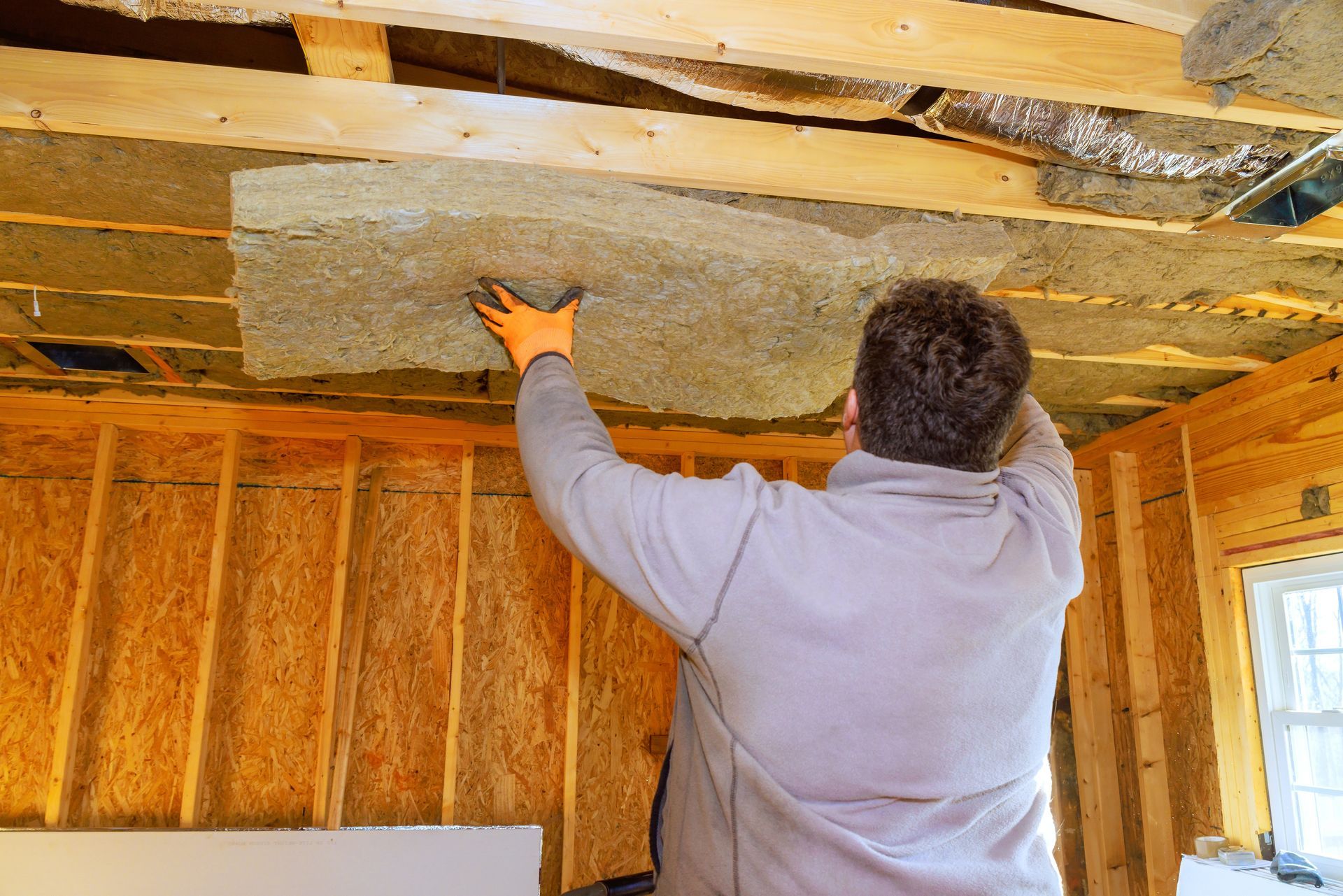
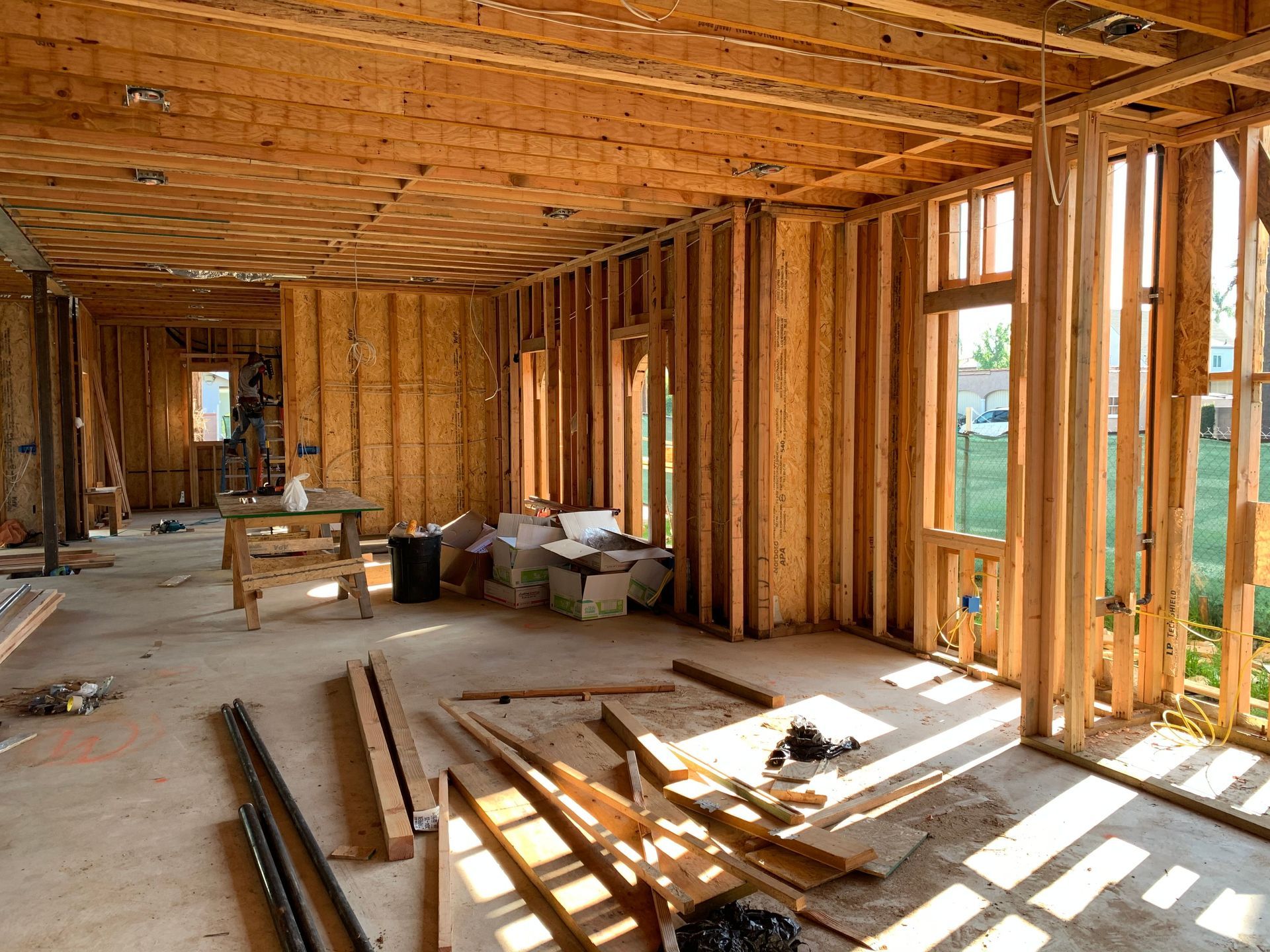
New construction provides a unique advantage: the ability to install insulation properly before drywall and finishes cover the framing. Unlike retrofit projects, builders can:
- Access every wall cavity
- Seal hidden air leaks
- Install continuous insulation systems
- Meet or exceed modern energy codes
This creates an opportunity to maximize efficiency and avoid expensive upgrades later.
A properly insulated new home offers:
- Lower utility bills
- Better indoor comfort
- Improved air quality
- Reduced environmental impact
- Greater resale value
Because insulation is installed during framing, it is also far more cost-effective to do it correctly the first time rather than upgrading after construction is complete.
Colorado’s Climate Creates Unique Challenges
Colorado homes experience a wide range of environmental conditions throughout the year:
- Cold winters with snow and freezing temperatures
- Dry air and strong winds
- Intense UV exposure at higher elevations
- Hot summer afternoons
- Rapid temperature swings between day and night
These conditions place heavy demands on heating and cooling systems. Without proper insulation and air sealing, homes lose energy quickly through:
- Attics
- Exterior walls
- Crawl spaces
- Rim joists
- Windows and roof penetrations
High-performance insulation helps stabilize indoor temperatures and reduces the stress placed on HVAC systems.
Understanding High-Performance Insulation
High-performance insulation goes beyond basic fiberglass batts. It focuses on:
- Air sealing
- Moisture control
- Thermal resistance
- Long-term durability
- Energy efficiency
Modern systems are designed to create a tightly sealed building envelope that minimizes heat transfer and air leakage.
The most effective insulation systems combine:
- High R-values
- Air barriers
- Moisture resistance
- Proper ventilation
Spray foam insulation excels in these categories, which is why it has become increasingly popular in Colorado new construction projects.
The Importance of Air Sealing in New Homes
One of the biggest sources of energy loss in homes is uncontrolled air leakage. Tiny gaps around framing, wiring, plumbing penetrations, and roof connections allow conditioned air to escape.
Even a well-insulated home can perform poorly if air leaks are not sealed properly.
Common Air Leak Locations
- Attic penetrations
- Top plates and wall joints
- Rim joists
- Around windows and doors
- Electrical outlets
- HVAC duct penetrations
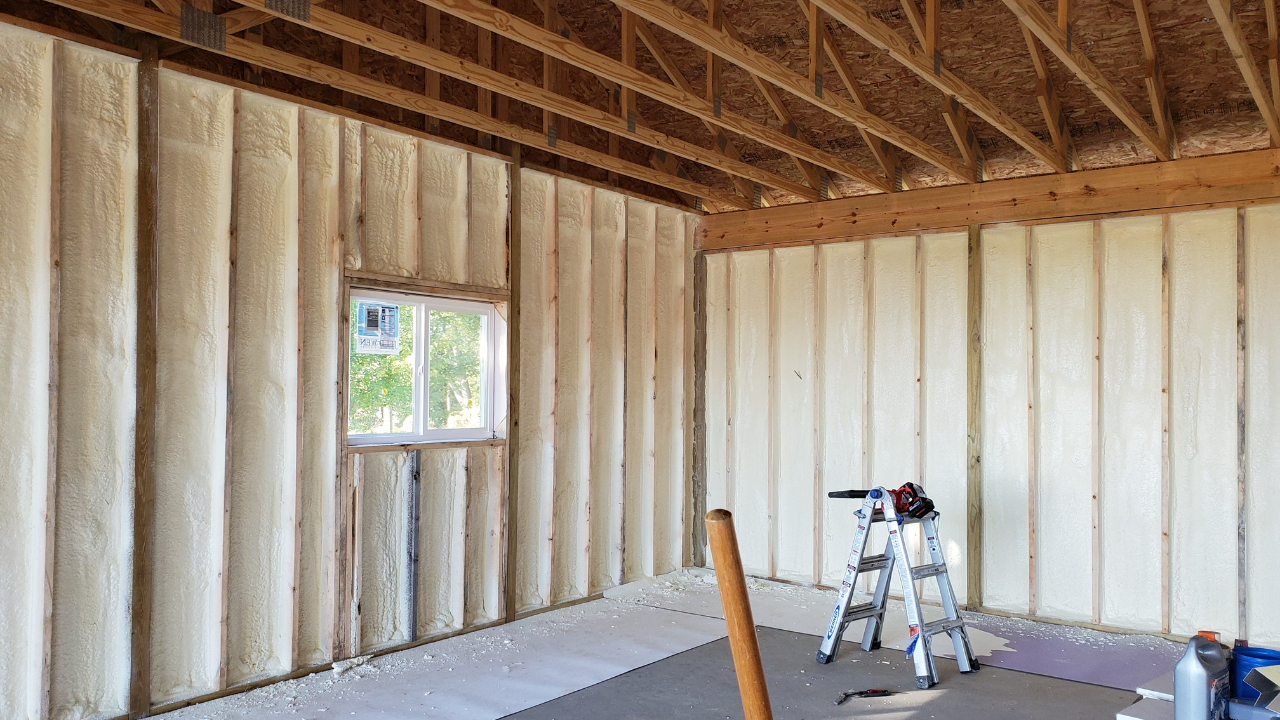
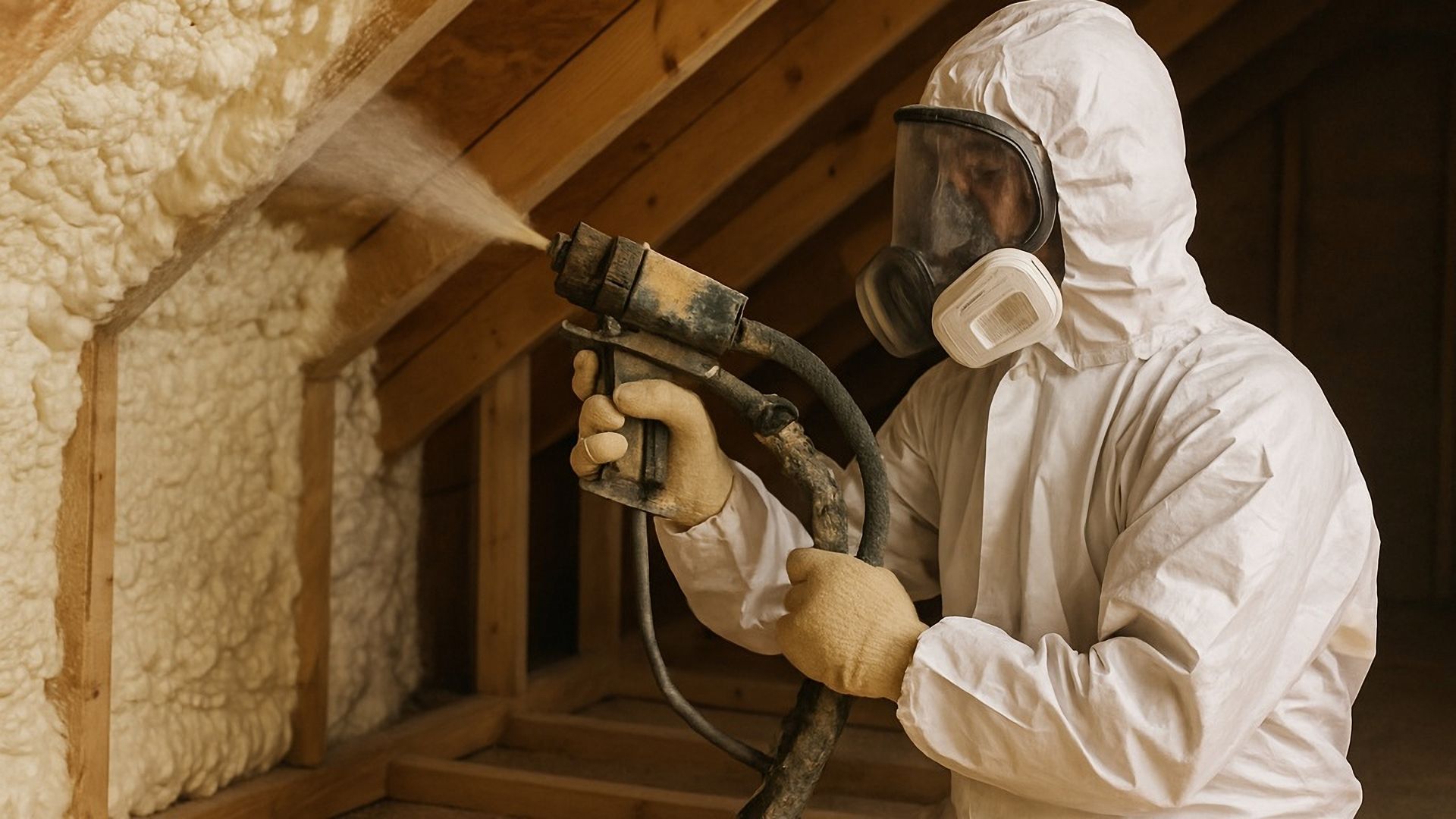
Spray foam insulation expands to fill these gaps, creating a continuous air barrier that traditional insulation materials cannot provide.
According to the U.S. Department of Energy, air sealing can reduce heating and cooling costs by up to 20%.
Best Insulation Types for New Construction Homes
1. Spray Foam Insulation
Spray foam is considered one of the most effective insulation systems available for modern homes.
Benefits of Spray Foam
- Superior air sealing
- High R-value per inch
- Moisture resistance
- Long lifespan
- Improved indoor comfort
- Reduced energy bills
Closed-Cell Spray Foam
Closed-cell foam is dense and rigid, providing:
- R-values around R-6 to R-7 per inch
- Moisture protection
- Added structural strength
Ideal for:
- Exterior walls
- Roof decks
- Crawl spaces
- Basements
Open-Cell Spray Foam
Open-cell foam is softer and expands more aggressively.
Benefits include:
- Excellent sound reduction
- Effective air sealing
- Lower material cost than closed-cell
Ideal for:
- Interior walls
- Ceilings
- Soundproofing applications
2. Blow-In Insulation
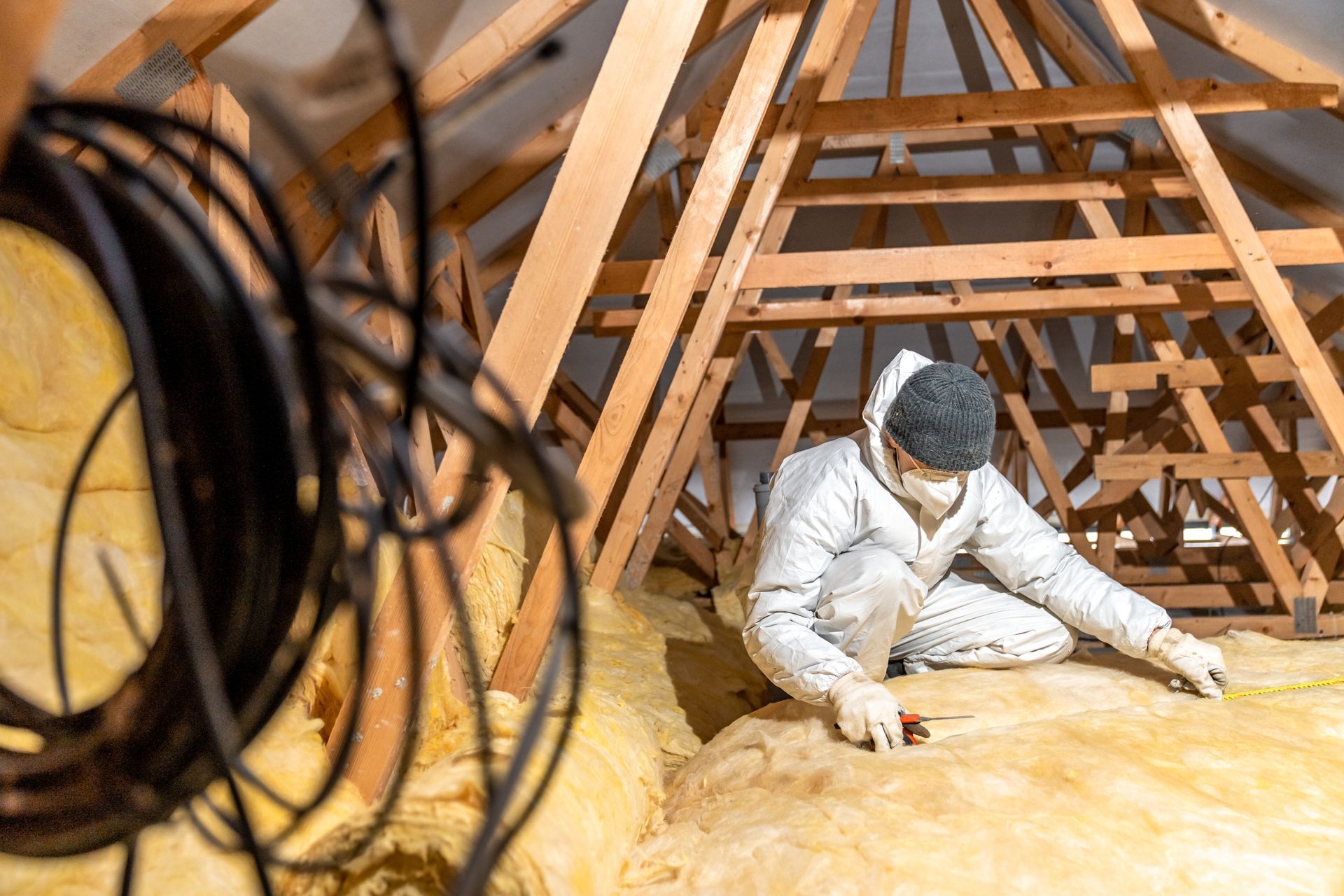
Blow-in fiberglass or cellulose insulation is commonly used in attics and wall systems.
Benefits
- Excellent coverage in irregular spaces
- Cost-effective
- Works well with air sealing systems
Blow-in insulation is often combined with spray foam for maximum performance.
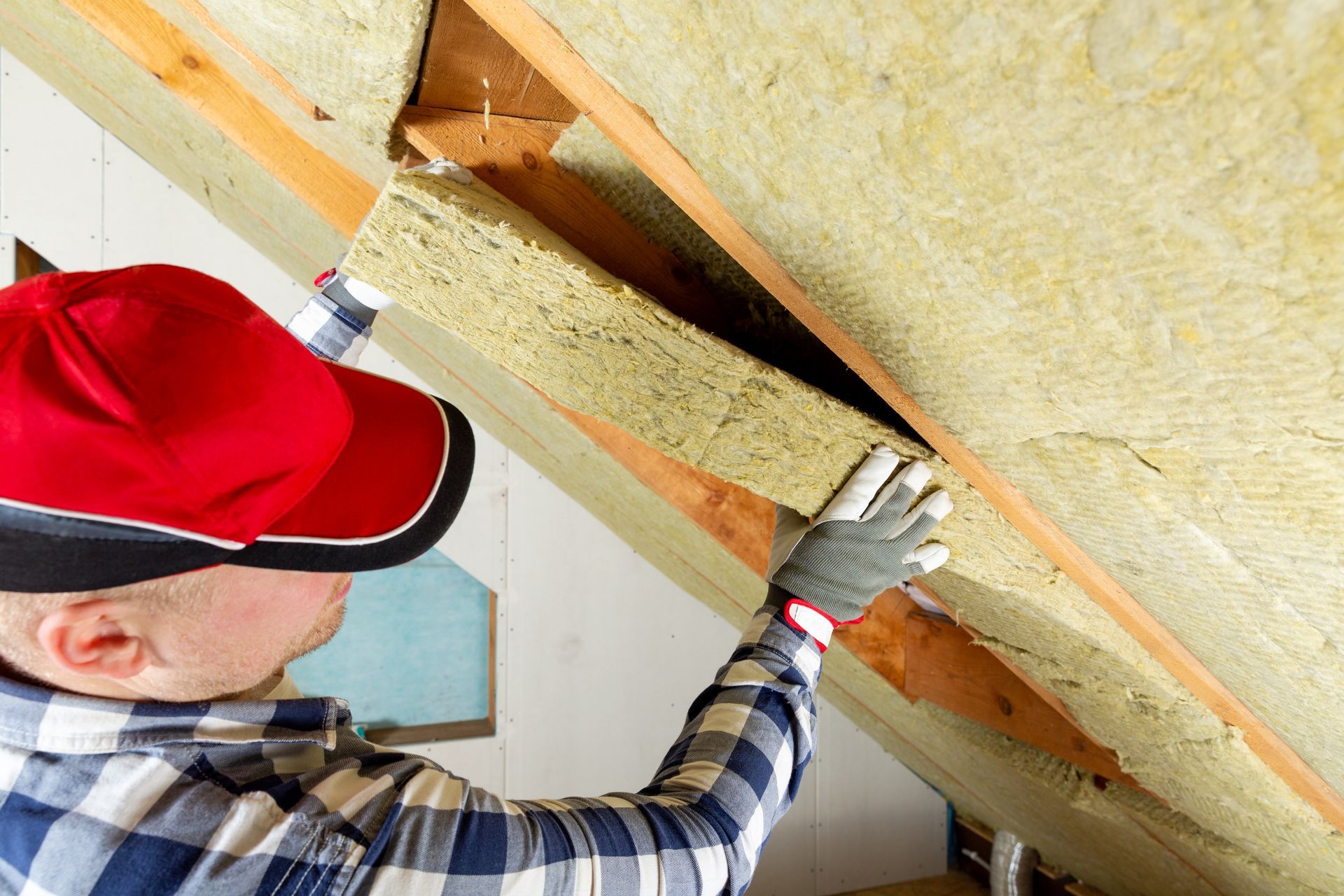
3. Fiberglass Batt Insulation
Fiberglass batts remain common in residential construction because of their affordability.
Benefits
- Lower upfront cost
- Easy installation in open framing
Limitations
- Does not stop air leaks
- Can leave gaps around framing
- Performance depends heavily on installation quality
Builders increasingly pair fiberglass batts with spray foam air sealing to improve performance.
Energy Code Requirements in Colorado
Modern building codes in Colorado require significantly higher insulation performance than older homes were built with.
Typical recommended R-values include:
- Attics: R-49 to R-60
- Walls: R-21 or higher
- Floors: R-30
Meeting these standards helps:
- Lower energy consumption
- Improve HVAC efficiency
- Increase home durability
Many builders now exceed minimum code requirements to create high-performance homes that attract energy-conscious buyers.
Moisture Control and Home Durability
Moisture is one of the leading causes of structural damage in homes. Poor insulation and air leakage can allow condensation to form inside walls and attics.
Over time, this can lead to:
- Mold growth
- Wood rot
- Damaged drywall
- Reduced insulation performance
Closed-cell spray foam helps prevent moisture intrusion by creating both an insulation layer and vapor barrier.
This is especially important in Colorado’s freeze-thaw climate, where condensation cycles can damage building materials over time.
Indoor Comfort and Temperature Consistency
One of the most noticeable benefits of high-performance insulation is improved comfort.
Proper insulation helps:
- Eliminate drafts
- Maintain even temperatures between rooms
- Reduce hot and cold spots
- Improve humidity control
This creates a more comfortable indoor environment throughout every season.
Noise Reduction Benefits
Modern insulation systems also improve sound control.
Spray Foam and Soundproofing
Open-cell spray foam absorbs airborne sound and helps reduce:
- Outdoor traffic noise
- Wind noise
- Noise transfer between rooms
This is especially valuable in growing Colorado communities where homes are built closer together.
Long-Term Cost Savings
Although high-performance insulation systems cost more upfront, they often provide significant long-term savings.
Potential Savings Include
- Lower monthly utility bills
- Reduced HVAC maintenance
- Fewer moisture-related repairs
- Increased home resale value
Many homeowners recover the added investment within several years through energy savings alone.
Builder and Homeowner Advantages
For Builders
- Easier compliance with energy codes
- Improved home performance ratings
- Increased buyer appeal
For Homeowners
- Better comfort
- Lower operating costs
- Increased home durability
- Improved indoor air quality
High-performance insulation has become a major selling point in modern Colorado homes.
Frequently Asked Questions
What is the best insulation for new construction homes in Colorado?
Closed-cell spray foam is often considered the best overall solution because of its high R-value, air sealing, and moisture resistance.
Is spray foam insulation worth the extra cost?
Yes. Most homeowners see long-term savings through reduced energy bills and improved comfort.
Can multiple insulation types be combined?
Absolutely. Many builders use hybrid systems combining spray foam with blow-in or fiberglass insulation.
How long does spray foam insulation last?
Spray foam insulation can last over 30 years without settling or degrading.
Does insulation affect indoor air quality?
Yes. Proper air sealing helps prevent dust, allergens, and outdoor pollutants from entering the home.
Professional New Construction Insulation in Northern Colorado
Building a new home is the ideal time to invest in energy efficiency, comfort, and long-term performance. Proper insulation protects your investment and ensures your home performs well in Colorado’s demanding climate.
Sprayfoam Solutions LLC provides professional insulation installation for new construction homes throughout
Fort Collins, Greeley, Loveland, Longmont, Windsor, and surrounding Colorado communities. Our experienced team specializes in spray foam insulation, blow-in insulation, fiberglass systems, and complete air sealing solutions tailored for modern home construction.
To schedule a consultation or request a new construction insulation estimate, visithttps://sprayfoamsolutionsllc.com/
or call
(970) 740-7780.