Introduction
For many homeowners in Colorado, the garage is more than just a place to park vehicles. It often serves as a workshop, storage area, home gym, hobby space, or entry point into the home. Despite this, garages are frequently one of the least insulated parts of the property.
An uninsulated garage can create major comfort and energy efficiency problems throughout the home. Cold air entering through garage walls, ceilings, and doors can spread into adjacent rooms, while excessive summer heat can make garages nearly unusable during warmer months. In Colorado’s climate, where winter temperatures routinely fall below freezing and summer afternoons can become surprisingly hot, garage insulation provides significant year-round benefits.
Whether you own a home in Fort Collins, Greeley, Loveland, Longmont, Windsor, or surrounding Northern Colorado communities, properly insulating your garage can improve comfort, reduce energy costs, protect stored belongings, and increase overall home efficiency.
This guide explains why garage insulation matters, the best insulation options available, and how homeowners can benefit from upgrading garage spaces with professional insulation systems.
Why Garage Insulation Matters
Many garages are built with minimal insulation or none at all. Since garages are not always considered conditioned living spaces, builders often prioritize insulation in the main home instead.
However, attached garages directly affect:
- Indoor temperatures
- HVAC efficiency
- Energy bills
- Indoor air quality
- Moisture control
An uninsulated garage acts as a thermal weak point in the building envelope, allowing outdoor temperatures to influence nearby rooms.
Common Problems Caused by Uninsulated Garages
1. Cold Rooms Adjacent to the Garage
Bedrooms, laundry rooms, or living spaces next to or above the garage often become noticeably colder during winter.
This happens because:
- Garage walls transfer cold temperatures inward
- Air leaks allow drafts into nearby rooms
- Garage ceilings lose heat rapidly
Proper insulation helps stabilize temperatures in connected living areas.
2. Excessive Summer Heat
Garages absorb a tremendous amount of heat during summer months.
Without insulation:
- Interior temperatures can become unbearable
- Heat transfers into the home
- Stored items may become damaged
Insulation helps block radiant heat and maintain more manageable indoor conditions.
3. Higher Energy Bills
Attached garages influence the efficiency of the entire home.
When garage walls and ceilings are poorly insulated:
- HVAC systems work harder
- Heat escapes more easily
- Cooling systems run longer in summer
This leads to increased heating and cooling costs throughout the year.
4. Frozen Pipes and Plumbing Risks
Some garages contain:
- Water heaters
- Plumbing lines
- Utility sinks
During freezing weather, poorly insulated garages increase the risk of frozen pipes and costly water damage.
5. Moisture and Condensation Problems
Colorado’s temperature swings can create condensation inside garages, especially around metal surfaces and concrete floors.
This can lead to:
- Mold growth
- Rusted tools or equipment
- Moisture damage
- Musty odors
Insulation and air sealing help regulate temperatures and reduce condensation buildup.
Benefits of Garage Insulation
1. Improved Energy Efficiency
Insulating garage walls, ceilings, and doors helps reduce heat transfer between the garage and living spaces.
This lowers:
- Heating costs during winter
- Cooling costs during summer
- HVAC workload
Energy-efficient insulation upgrades often pay for themselves through long-term utility savings.
2. More Comfortable Indoor Temperatures
Proper insulation creates more stable indoor conditions in:
- Rooms above garages
- Adjacent bedrooms
- Shared wall spaces
This helps eliminate cold spots and uneven temperatures throughout the home.
3. Better Garage Usability
Many homeowners use garages for:
- Workshops
- Home gyms
- Craft areas
- Storage
- Home offices
Insulation makes these spaces more comfortable year-round, especially during Colorado winters.
4. Noise Reduction
Garage insulation also helps reduce:
- Street noise
- Wind noise
- Noise from garage door operation
- Sound transfer into living spaces
Open-cell spray foam and mineral wool insulation are especially effective for sound reduction.
5. Protection for Stored Belongings
Extreme temperatures can damage:
- Paints and chemicals
- Electronics
- Sports equipment
- Wooden furniture
- Power tools
Insulation helps create a more stable environment for long-term storage.
Best Insulation Options for Garages
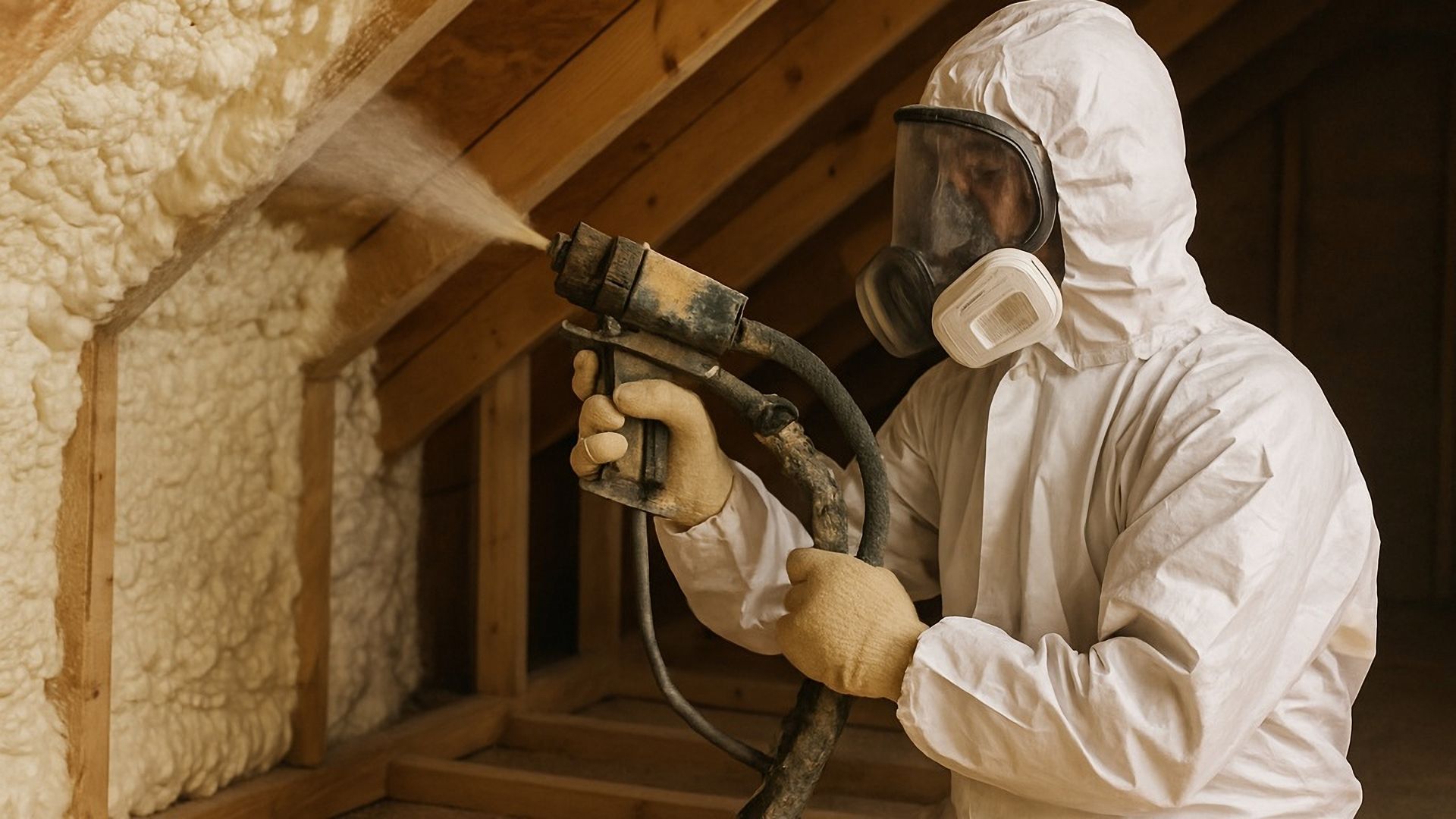
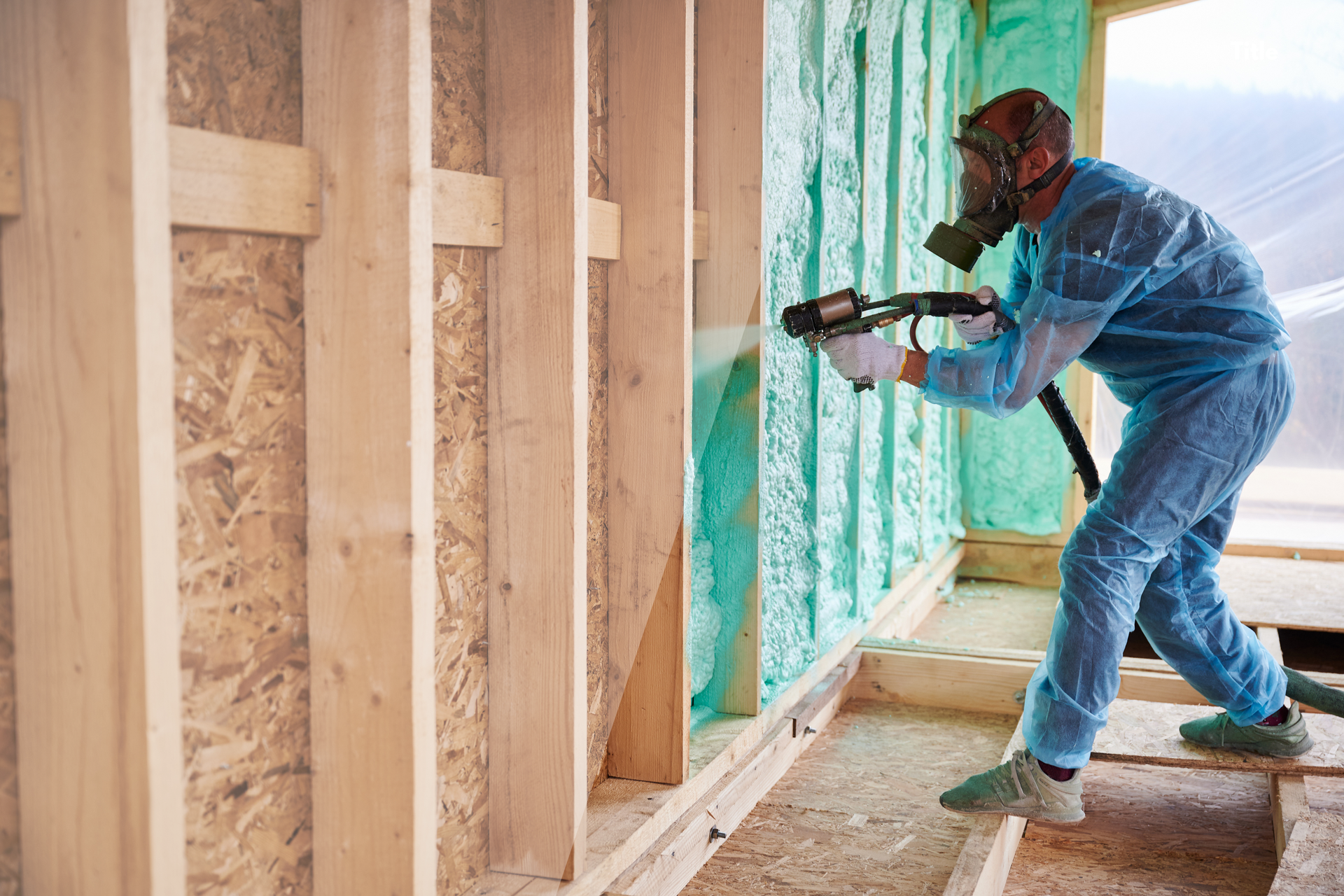
1. Spray Foam Insulation
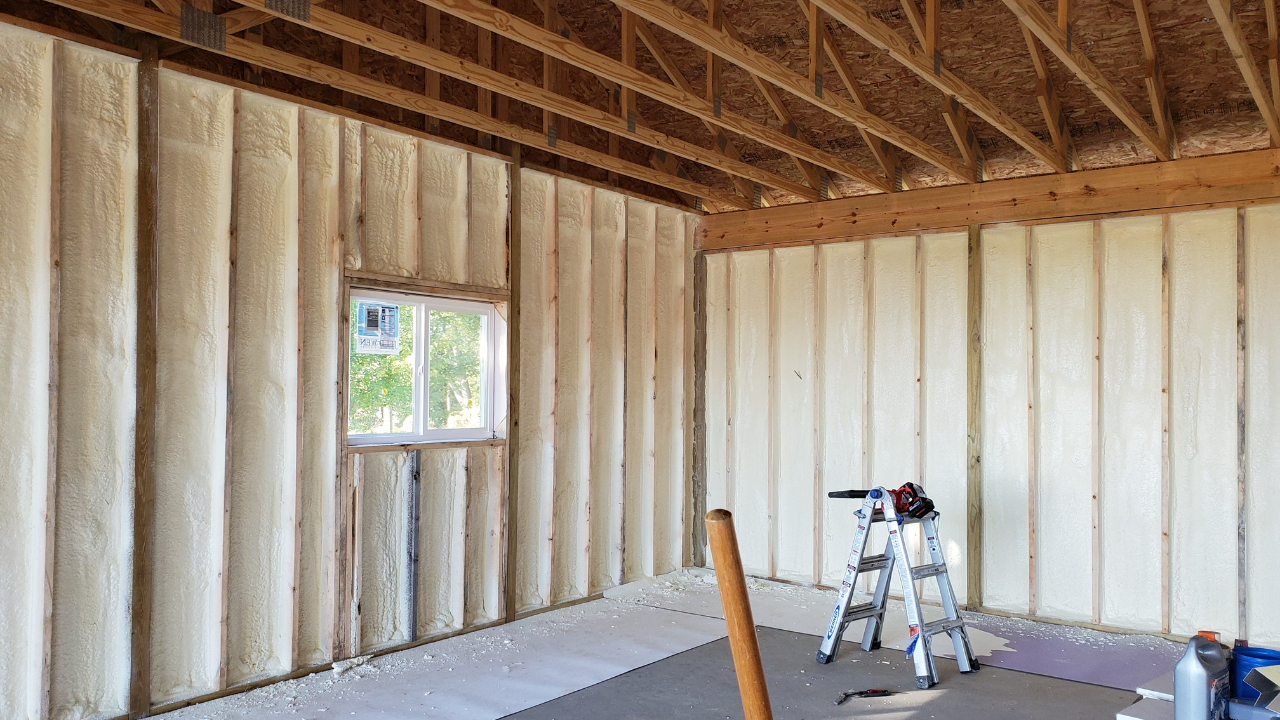
Spray foam insulation is one of the most effective solutions for garage spaces because it combines:
- High R-value
- Air sealing
- Moisture resistance
Closed-Cell Spray Foam
Closed-cell foam is ideal for garages because it:
- Provides excellent thermal resistance
- Resists moisture
- Adds structural strength
- Prevents air leakage
This makes it particularly valuable in Colorado’s cold climate.
Open-Cell Spray Foam
Open-cell foam offers:
- Strong sound reduction
- Effective air sealing
- Lower material cost
It works well for interior garage walls and ceilings.
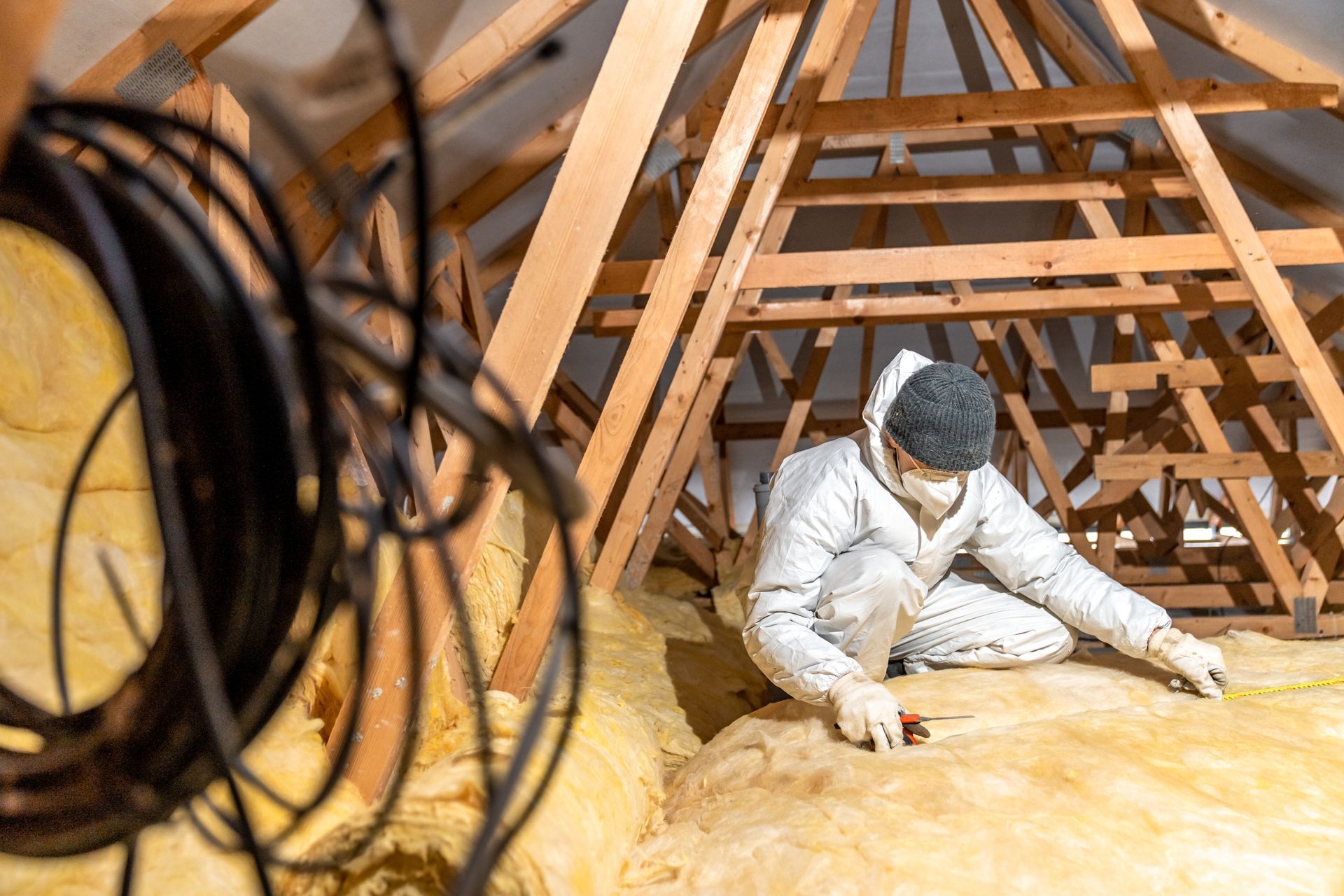
2. Fiberglass Batt Insulation
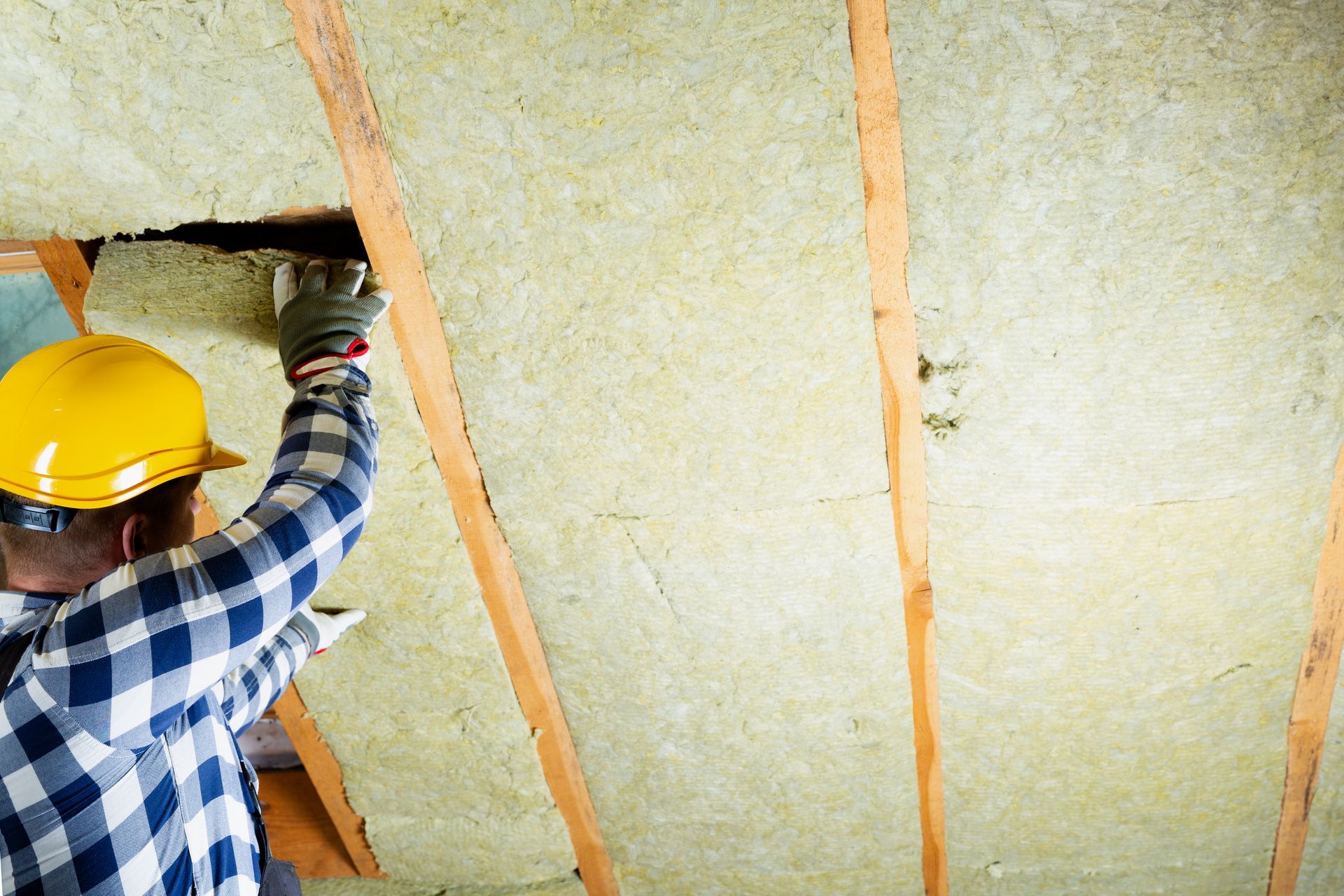
Fiberglass batts remain a common and affordable option.
Advantages
- Lower upfront cost
- Easy installation in framed walls
Limitations
- Does not stop air leaks
- Can lose effectiveness if compressed or exposed to moisture
Fiberglass performs best when paired with proper air sealing techniques.
3. Blow-In Insulation
Blow-in insulation works especially well for:
- Garage attics
- Ceiling cavities
- Existing finished garages
It provides:
- Consistent coverage
- Improved thermal performance
- Cost-effective attic upgrades
4. Rigid Foam Board Insulation
Rigid foam boards are commonly used on:
- Garage doors
- Concrete walls
- Detached structures
They provide:
- High R-values
- Moisture resistance
- Continuous thermal coverage
Garage Door Insulation
Even if garage walls are insulated, the garage door itself can remain a major source of heat loss.
Insulated Garage Doors Offer
- Better temperature control
- Reduced drafts
- Quieter operation
- Improved energy efficiency
Garage door insulation kits can help, but professionally insulated doors often provide better long-term performance.
Attached vs. Detached Garage Insulation
Attached Garages
Attached garages directly affect indoor comfort and HVAC performance. Insulating shared walls and ceilings is especially important.
Detached Garages
Detached garages still benefit from insulation if used as:
- Workshops
- Hobby spaces
- Storage buildings
- Home gyms
Insulation helps maintain usable temperatures and protects stored belongings.
Recommended R-Values for Colorado Garages
Typical insulation recommendations include:
- Garage walls: R-13 to R-21
- Garage ceilings: R-30 to R-49
Higher R-values improve thermal performance and comfort.
Air Sealing: The Missing Piece
Many homeowners add insulation without addressing air leaks.
Common garage air leak areas include:
- Around garage doors
- Wall penetrations
- Ceiling joints
- Rim joists
- Window frames
Spray foam insulation is especially effective because it seals these gaps while insulating simultaneously.
Energy Savings and Return on Investment
Garage insulation provides long-term financial benefits through:
- Reduced energy bills
- Lower HVAC strain
- Improved home efficiency
- Increased home value
In many cases, homeowners notice immediate comfort improvements after installation.
Garage Insulation and Indoor Air Quality
Poorly insulated garages can allow:
- Dust
- Vehicle fumes
- Outdoor pollutants
to enter living spaces through air leaks.
Air sealing and insulation help reduce contaminant infiltration and improve indoor air quality.
Common Garage Insulation Mistakes
1. Insulating Without Air Sealing
Air leaks reduce insulation effectiveness dramatically.
2. Ignoring Garage Doors
Uninsulated garage doors remain major thermal weak points.
3. Using the Wrong Insulation Type
Fiberglass may not perform well in damp or drafty conditions without additional sealing.
4. Overlooking Garage Ceilings
Rooms above garages require strong ceiling insulation for comfort.
5. DIY Installation Errors
Improper installation often leaves gaps and inconsistent coverage.
Frequently Asked Questions
Is garage insulation worth it in Colorado?
Yes. Colorado’s climate makes garage insulation highly beneficial for comfort, energy efficiency, and moisture control.
What is the best insulation for garages?
Closed-cell spray foam is often the best option because it provides insulation, air sealing, and moisture resistance.
Will garage insulation lower utility bills?
Yes. Insulation helps reduce heat transfer and HVAC workload.
Can garage insulation help rooms above the garage?
Absolutely. Proper insulation dramatically improves temperature consistency in adjacent rooms.
Should detached garages be insulated?
Yes, especially if they are used as workshops, storage spaces, or hobby areas.
Professional Garage Insulation Services in Northern Colorado
A properly insulated garage can improve comfort, reduce energy costs, and create a more functional space year-round. Whether you want to protect stored belongings, improve indoor temperatures, or create a more comfortable workshop, insulation is a smart long-term investment.
Sprayfoam Solutions LLC provides professional garage insulation services throughout Fort Collins, Greeley, Loveland, Longmont, Windsor, and surrounding Colorado communities. Our team specializes in spray foam insulation, fiberglass installation, blow-in insulation, garage air sealing, and complete energy-efficiency upgrades tailored for Colorado homes and buildings.
To schedule a garage insulation assessment or request a project estimate, visit https://sprayfoamsolutionsllc.com/ or call (970) 740-7780.