Introduction
Many homeowners in Colorado are unknowingly losing hundreds—or even thousands—of dollars every year because of poor insulation. While insulation problems are often hidden behind walls, attics, and crawl spaces, the effects are usually noticeable throughout the home.
Drafty rooms, rising energy bills, uneven temperatures, and overworked HVAC systems are all common signs that your home may not be properly insulated. In Colorado’s demanding climate, where freezing winters and warm summer afternoons create constant temperature shifts, insulation plays a major role in comfort and efficiency.
Unfortunately, many homes in Fort Collins, Greeley, Loveland, Longmont, Windsor, and surrounding Northern Colorado communities were built before modern energy codes existed. Older insulation systems often no longer provide adequate performance, especially when combined with air leaks and aging materials.
This guide explains the most common signs of poor insulation, how insulation problems affect your home, and what solutions can help improve comfort, efficiency, and long-term energy savings.
Why Insulation Matters
Insulation acts as a thermal barrier that slows the transfer of heat between the inside and outside of your home.
During winter:
- Insulation helps keep warm air inside
During summer:
- Insulation helps block outdoor heat from entering
Without adequate insulation, your heating and cooling system must work harder to maintain comfortable temperatures.
Good insulation also helps:
- Reduce drafts
- Improve indoor air quality
- Prevent moisture problems
- Reduce outside noise
- Protect HVAC systems from excessive wear
How Homes Lose Energy
Energy loss typically occurs in areas where insulation is missing, damaged, or poorly installed.
Most Common Problem Areas
- Attics
- Exterior walls
- Crawl spaces
- Rim joists
- Basements
- Around windows and doors
- Roof penetrations
Even small air leaks can significantly reduce efficiency over time.
According to the U.S. Department of Energy, heating and cooling account for roughly half of the average home’s energy use. Poor insulation dramatically increases those costs.
Top Signs Your Home Has Poor Insulation
1. High Energy Bills
One of the clearest signs of insulation problems is consistently high utility costs.
If your heating and cooling bills continue increasing despite:
- Regular HVAC maintenance
- Thermostat adjustments
- Moderate energy usage
your home may be losing conditioned air through poorly insulated areas.
Poor insulation forces HVAC systems to:
- Run longer
- Cycle more frequently
- Use more energy to maintain temperature
Colorado winters can become especially expensive when homes lose heat through attics and crawl spaces.
2. Uneven Room Temperatures
Do some rooms feel:
- Colder than others in winter?
- Hotter during summer afternoons?
Uneven temperatures are often caused by insulation gaps or inadequate thermal protection.
Common Problem Areas Include
- Rooms above garages
- Upstairs bedrooms
- Bonus rooms
- Attic-adjacent spaces
- Finished basements
When insulation is inconsistent, certain parts of the home struggle to maintain comfortable temperatures.
3. Drafts Around Floors, Walls, or Windows
Feeling cold air movement indoors is another major warning sign.
Drafts often occur because of:
- Air leaks around framing
- Poor attic insulation
- Unsealed crawl spaces
- Rim joist gaps
- Insufficient wall insulation
Traditional fiberglass insulation may slow heat transfer but often fails to stop air movement.
Spray foam insulation is especially effective because it:
- Insulates
- Air seals simultaneously
This helps eliminate drafts and stabilize indoor temperatures.
4. Ice Dams on the Roof
Ice dams are common in Colorado winters and usually indicate attic insulation problems.
How Ice Dams Form
- Warm air escapes into the attic
- Roof snow melts unevenly
- Melted water refreezes near roof edges
This creates dangerous ice buildup that can damage:
- Roof shingles
- Gutters
- Ceilings
- Interior walls
Proper attic insulation and air sealing help prevent the heat loss that causes ice dams.
5. HVAC Systems Running Constantly
If your furnace or air conditioner rarely shuts off, insulation problems may be forcing the system to overwork.
Poor insulation causes:
- Continuous heat loss in winter
- Excessive heat gain in summer
As a result, HVAC systems must operate longer to maintain comfort.
This increases:
- Utility costs
- Equipment wear and tear
- Repair frequency
6. Cold Floors During Winter
Cold floors are especially common in homes with:
- Uninsulated crawl spaces
- Poor basement insulation
- Rim joist air leaks
Even if the air temperature seems comfortable, cold floors often indicate major heat loss beneath the home.
Crawl space insulation and encapsulation can dramatically improve floor comfort during Colorado winters.
7. Excessive Dust Indoors
Poor insulation and air sealing allow outdoor air to enter the home through cracks and gaps.
This can increase:
- Dust accumulation
- Pollen infiltration
- Outdoor pollutants
- Allergens
Spray foam insulation helps create an airtight building envelope that reduces airborne contaminants.
8. Moisture or Mold Problems
Insufficient insulation can contribute to condensation and moisture buildup inside walls, attics, and crawl spaces.
Signs may include:
- Mold growth
- Musty odors
- Damp insulation
- Water stains
- Condensation on windows
Moisture problems can damage insulation and reduce indoor air quality over time.
Closed-cell spray foam insulation helps resist moisture infiltration and condensation.
9. Noisy Indoor Environment
Insulation also affects sound control.
Homes with poor insulation may experience:
- Traffic noise
- Wind noise
- Noise transfer between rooms
Open-cell spray foam and mineral wool insulation provide excellent sound reduction benefits.
10. Older Home Construction
Many homes built before the early 2000s have insulation systems that no longer meet modern standards.
Older homes often contain:
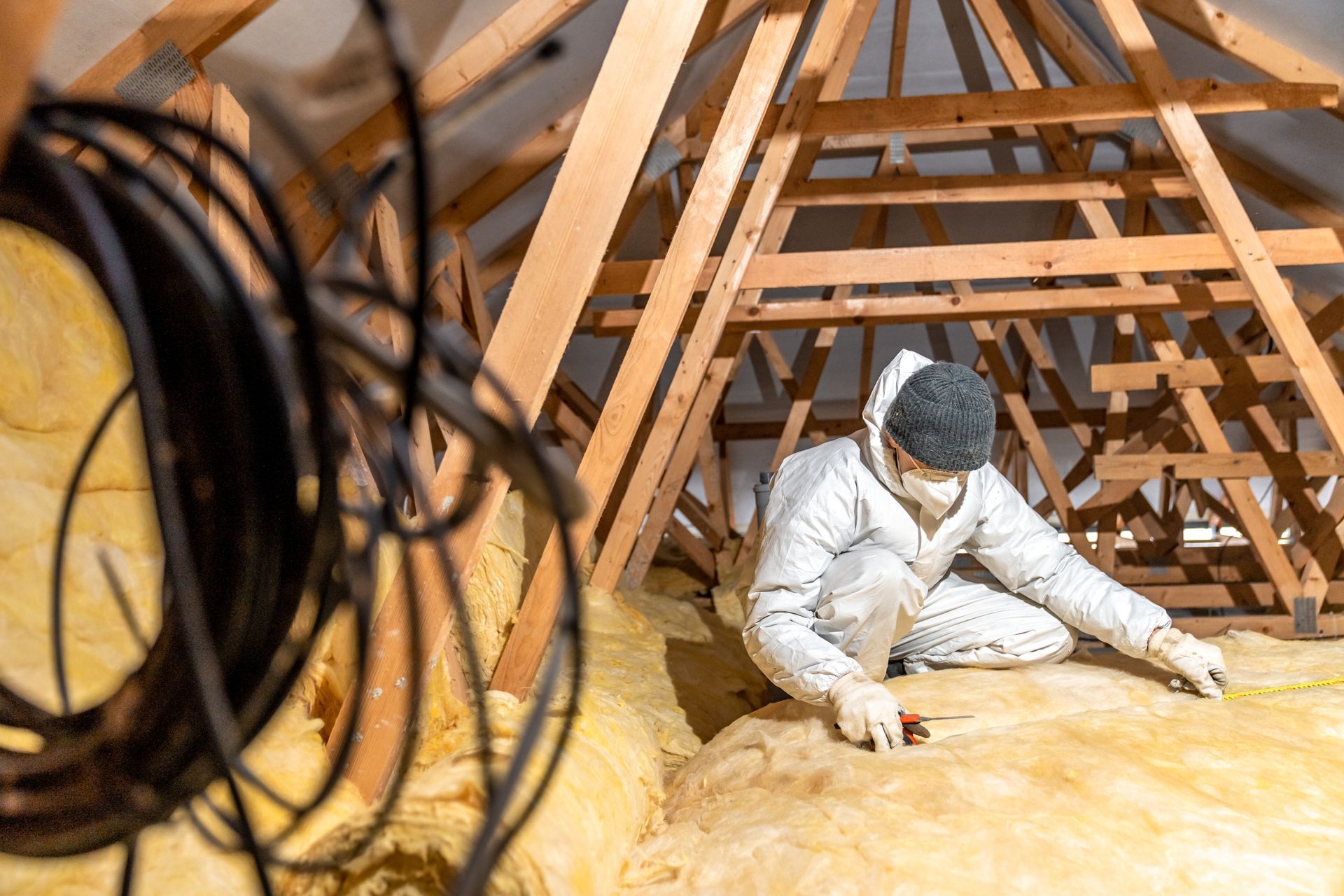
- Thin fiberglass batts
- Settled cellulose insulation
- Air leaks around framing
- Minimal attic insulation
Energy codes have improved significantly over the years, making insulation upgrades one of the most valuable improvements homeowners can make.
Attics: The Biggest Source of Heat Loss
The attic is one of the most common areas for insulation deficiencies.
Signs of Poor Attic Insulation
- Uneven snow melt on the roof
- Hot upstairs rooms
- Ice dams
- Drafty ceilings
- High heating bills
Recommended attic insulation levels in Colorado:
Many older homes fall far below these standards.
Crawl Spaces and Basements
Crawl spaces are another major source of energy loss.
Poorly insulated crawl spaces can cause:
- Frozen pipes
- Cold floors
- Moisture issues
- Increased HVAC demand
Encapsulation and spray foam insulation help create a conditioned space beneath the home.
Benefits of Upgrading Insulation
1. Lower Energy Bills
Reduced heat transfer means less HVAC usage.
2. Improved Comfort
Eliminates drafts and uneven temperatures.
3. Better Indoor Air Quality
Air sealing reduces dust and allergens.
4. Longer HVAC Lifespan
Reduced strain helps equipment last longer.
5. Noise Reduction
Improved insulation helps create quieter indoor spaces.
6. Increased Home Value
Energy-efficient homes are increasingly attractive to buyers.
Best Insulation Options for Colorado Homes
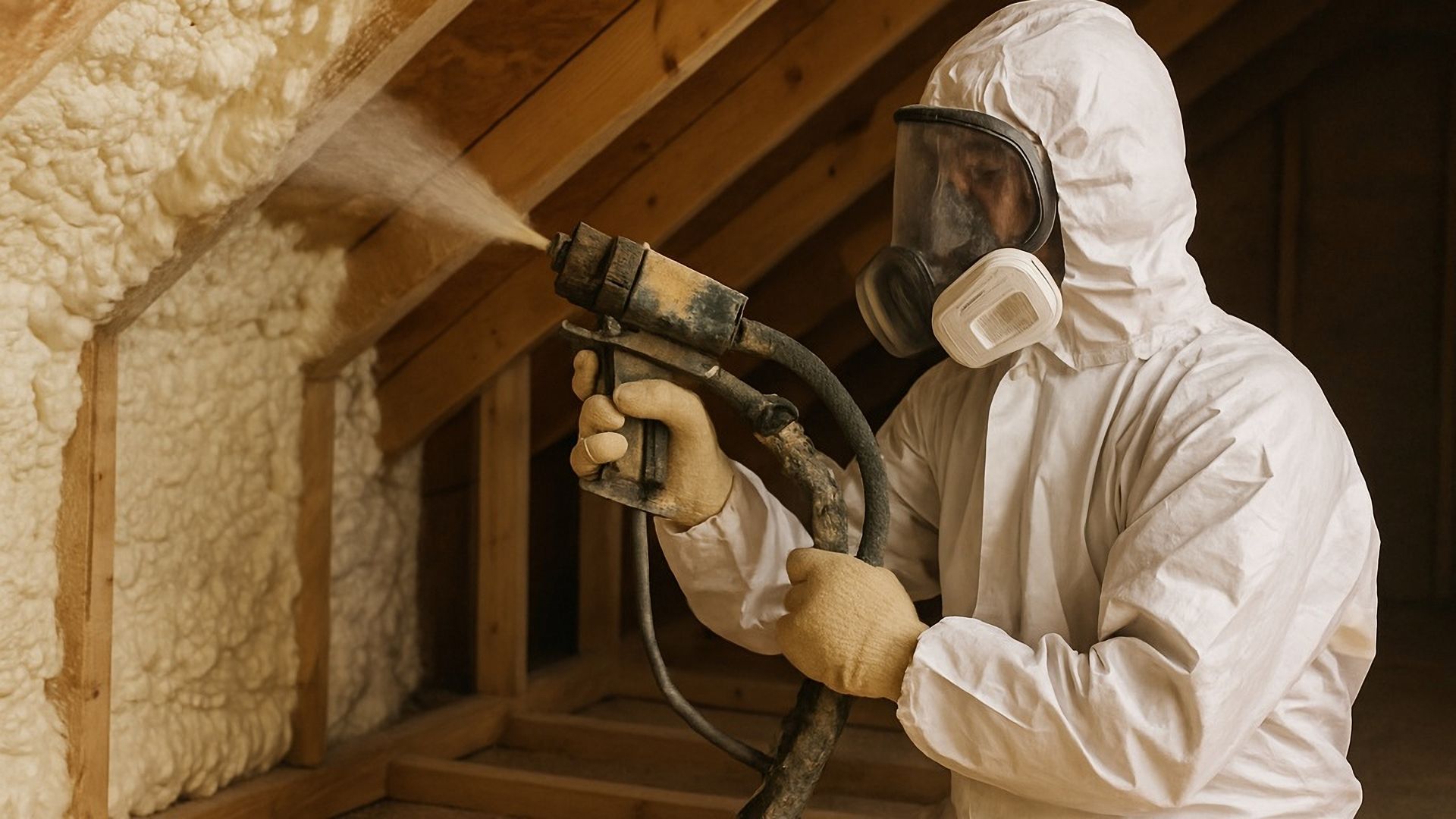
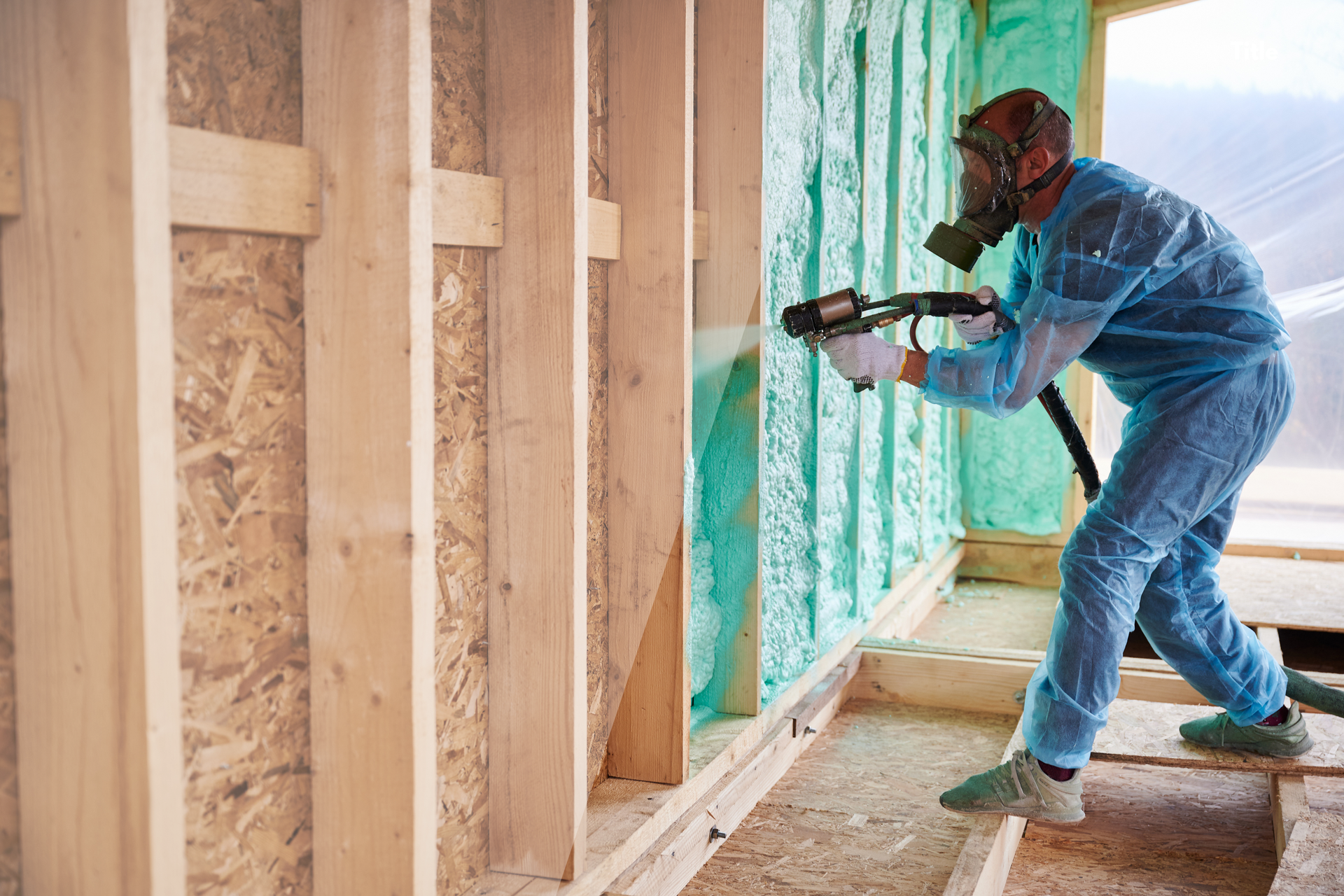
Spray Foam Insulation
- Best overall energy performance
- Air sealing and insulation combined
- Excellent moisture resistance
Blow-In Insulation
- Great for attic upgrades
- Consistent coverage
- Cost-effective retrofit solution
Fiberglass Batt Insulation
- Affordable option
- Common in new construction
- Best when paired with air sealing
Professional Energy Assessments
A professional insulation inspection can identify:
- Air leaks
- Insufficient insulation levels
- Moisture concerns
- Energy loss areas
Infrared imaging and blower door testing are often used to evaluate home performance.
Frequently Asked Questions
How do I know if my attic insulation is insufficient?
If you can see attic floor joists above the insulation or notice uneven temperatures, your attic likely needs upgrading.
Can insulation lower energy bills immediately?
Yes. Many homeowners notice lower utility costs shortly after upgrading insulation.
What insulation type performs best in Colorado?
Spray foam insulation offers the best combination of air sealing, moisture control, and thermal resistance.
Can poor insulation damage HVAC systems?
Yes. HVAC systems work harder in poorly insulated homes, increasing wear and repair frequency.
How long does insulation last?
Spray foam insulation can last over 30 years, while fiberglass and cellulose may settle or degrade over time.
Professional Insulation Services in Northern Colorado
If your home feels drafty, uncomfortable, or expensive to heat and cool, poor insulation may be the cause. Upgrading insulation is one of the most effective ways to improve comfort, reduce energy costs, and protect your home long-term.
Sprayfoam Solutions LLC provides professional insulation services throughout Fort Collins, Greeley, Loveland, Longmont, Windsor, and surrounding Colorado communities. Our team specializes in spray foam insulation, attic insulation, crawl space encapsulation, blow-in insulation, fiberglass installation, and complete air sealing solutions tailored for Colorado homes.