Introduction
Finished basements are becoming increasingly popular in Colorado homes. Whether used as family rooms, guest suites, home offices, gyms, or entertainment spaces, basements add valuable living space and increase property value. However, without proper insulation, finished basements can quickly become cold, damp, uncomfortable, and expensive to heat.
Colorado’s climate creates unique challenges for basement environments. Freezing winter temperatures, fluctuating humidity levels, and cold concrete surfaces can all contribute to heat loss and moisture problems below ground level. Many homeowners notice chilly floors, musty odors, or uneven temperatures in basement spaces because insulation was either overlooked or improperly installed during construction.
The right insulation system helps transform a basement into a comfortable, energy-efficient extension of the home. Proper basement insulation not only improves comfort but also reduces heating costs, protects against moisture damage, and improves indoor air quality.
This guide explains the best insulation options for finished basements and why homeowners throughout Fort Collins, Greeley, Loveland, Longmont, Windsor, and surrounding Northern Colorado communities are investing in high-performance insulation systems for below-grade spaces.
Why Basement Insulation Matters
Basements behave differently than above-ground living spaces because they are surrounded by soil and concrete. Concrete walls and floors naturally transfer heat, making basements cooler than the rest of the home.
Without proper insulation, basements can experience:
- Significant heat loss
- Cold floors and walls
- Condensation and moisture buildup
- Mold and mildew growth
- Increased HVAC workload
- Higher energy bills
Insulation creates a thermal barrier that helps regulate basement temperatures while controlling moisture and air leakage.
Common Basement Problems Caused by Poor Insulation
1. Cold Temperatures
Basements often feel colder because:
- Concrete transfers heat quickly
- Ground temperatures remain cool year-round
- Air leaks allow cold outdoor air inside
Poor insulation makes basement spaces uncomfortable during Colorado winters.
2. Moisture and Condensation
Moisture is one of the biggest concerns in basements.
Common sources include:
- Ground moisture
- Foundation wall condensation
- Humidity infiltration
- Air leaks
Without proper insulation and vapor control, moisture problems can lead to:
- Mold growth
- Musty odors
- Damaged drywall
- Rotting wood framing
3. High Energy Bills
Uninsulated basement walls and rim joists contribute to major heat loss during winter.
As warm air escapes:
- Furnaces run longer
- HVAC systems work harder
- Utility costs increase
Proper insulation significantly improves overall home energy efficiency.
4. Drafts and Uneven Temperatures
Poorly insulated basements often create:
- Drafty lower levels
- Cold floors upstairs
- Temperature imbalances throughout the home
This affects comfort not only in the basement but throughout adjacent living spaces.
Best Insulation Types for Finished Basements
1. Closed-Cell Spray Foam Insulation
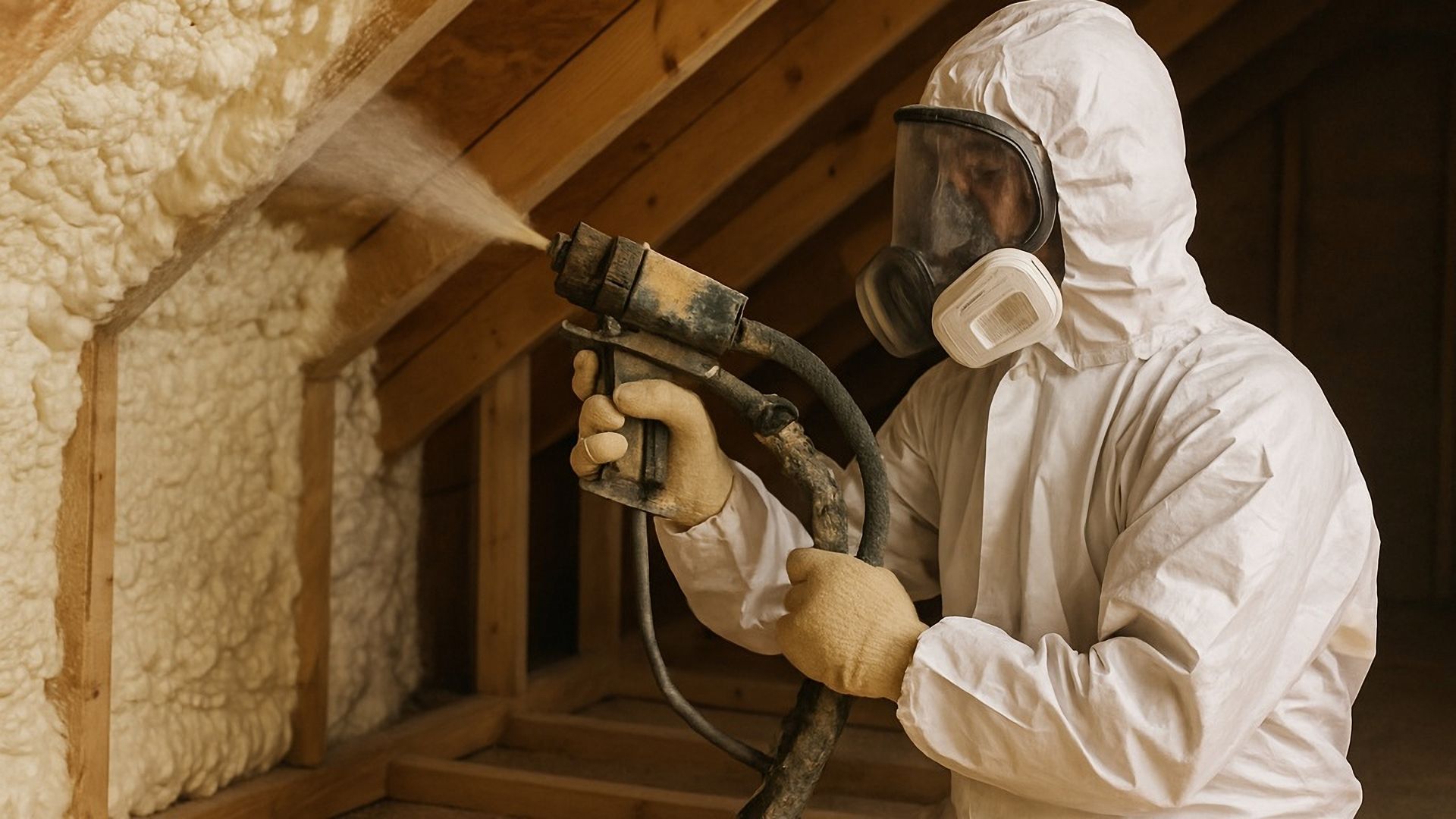
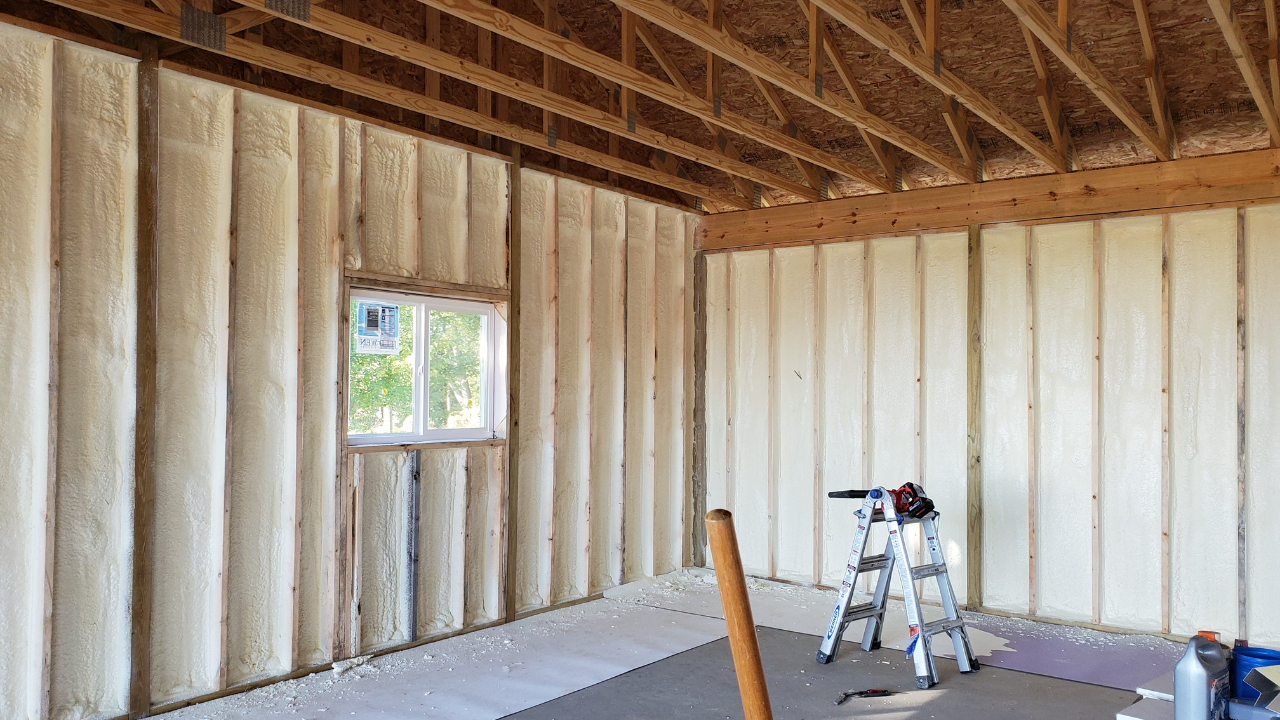
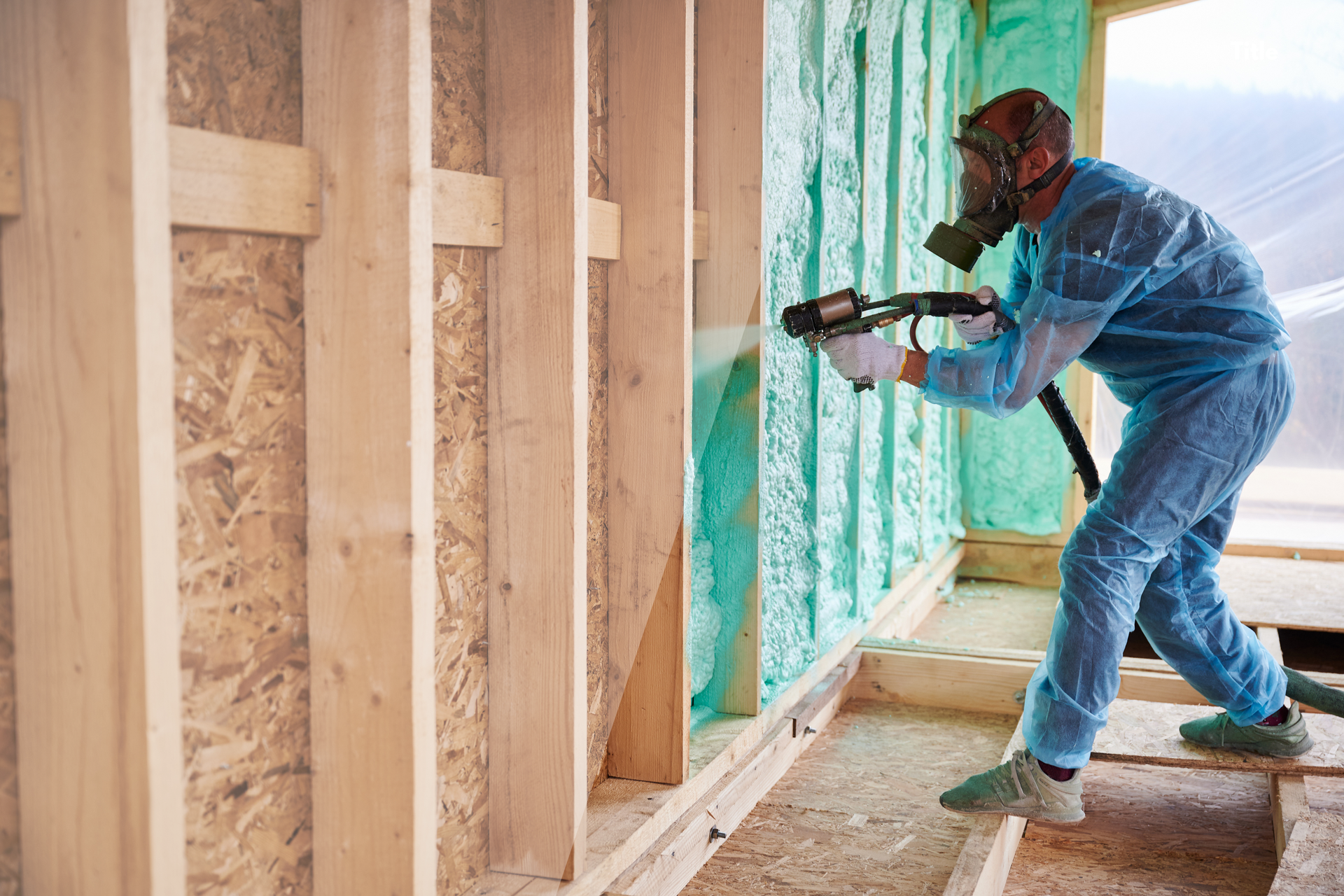
Closed-cell spray foam is widely considered one of the best insulation options for basements in Colorado.
Why Spray Foam Works So Well
- High R-value per inch
- Excellent moisture resistance
- Air sealing capabilities
- Long lifespan
- Prevents condensation
Unlike fiberglass, spray foam adheres directly to concrete walls and fills small cracks and gaps.
Benefits Include
- Improved energy efficiency
- Reduced moisture problems
- Better indoor comfort
- Protection against mold growth
Closed-cell spray foam is especially effective in below-grade environments because it acts as both:
2. Rigid Foam Board Insulation
Rigid foam board insulation is another excellent basement solution.
Common Types
- Extruded polystyrene (XPS)
- Polyisocyanurate
- Expanded polystyrene (EPS)
Benefits
- Strong moisture resistance
- Continuous insulation coverage
- High R-values
- Durable performance
Rigid foam boards are often installed directly against foundation walls before framing and drywall.
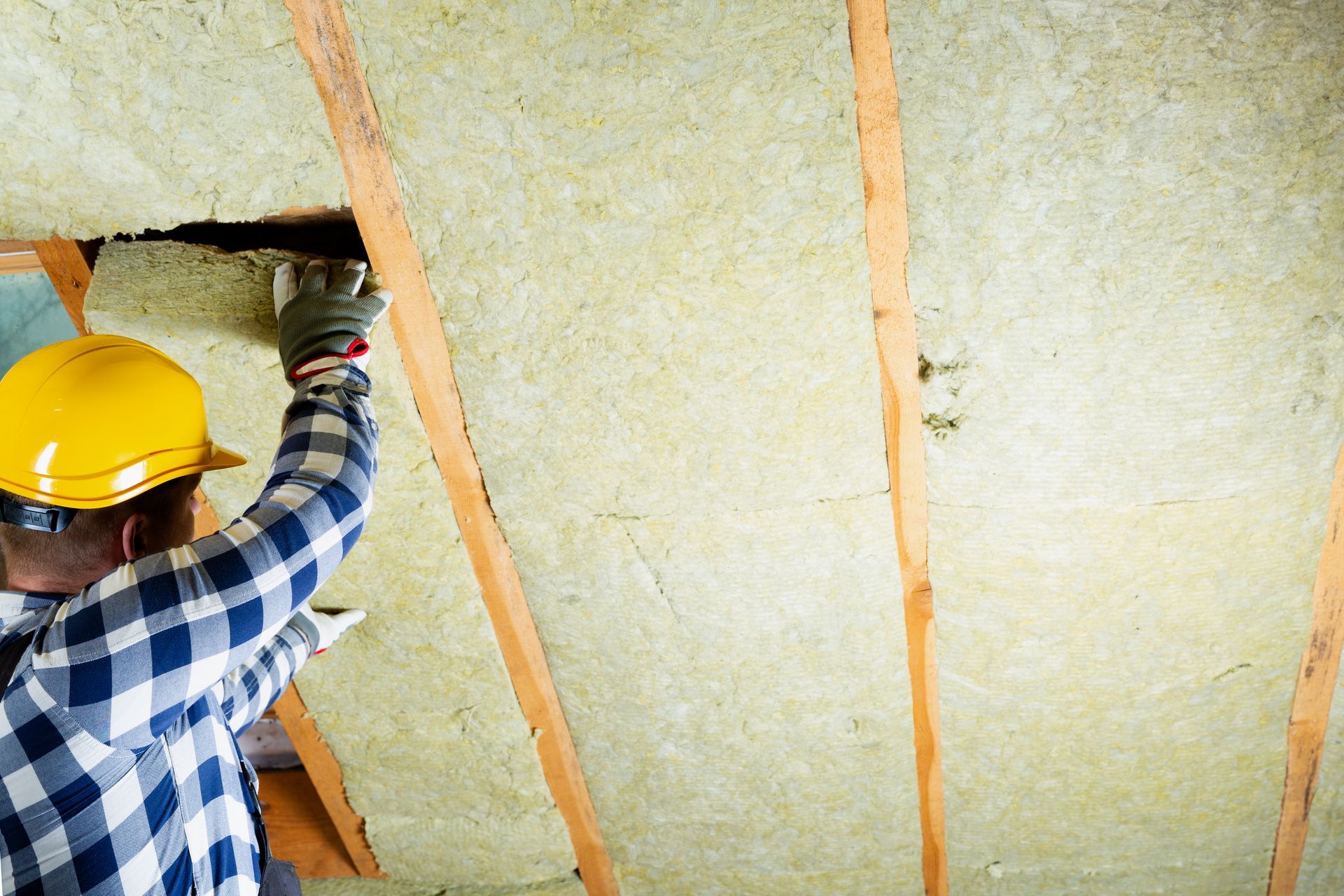
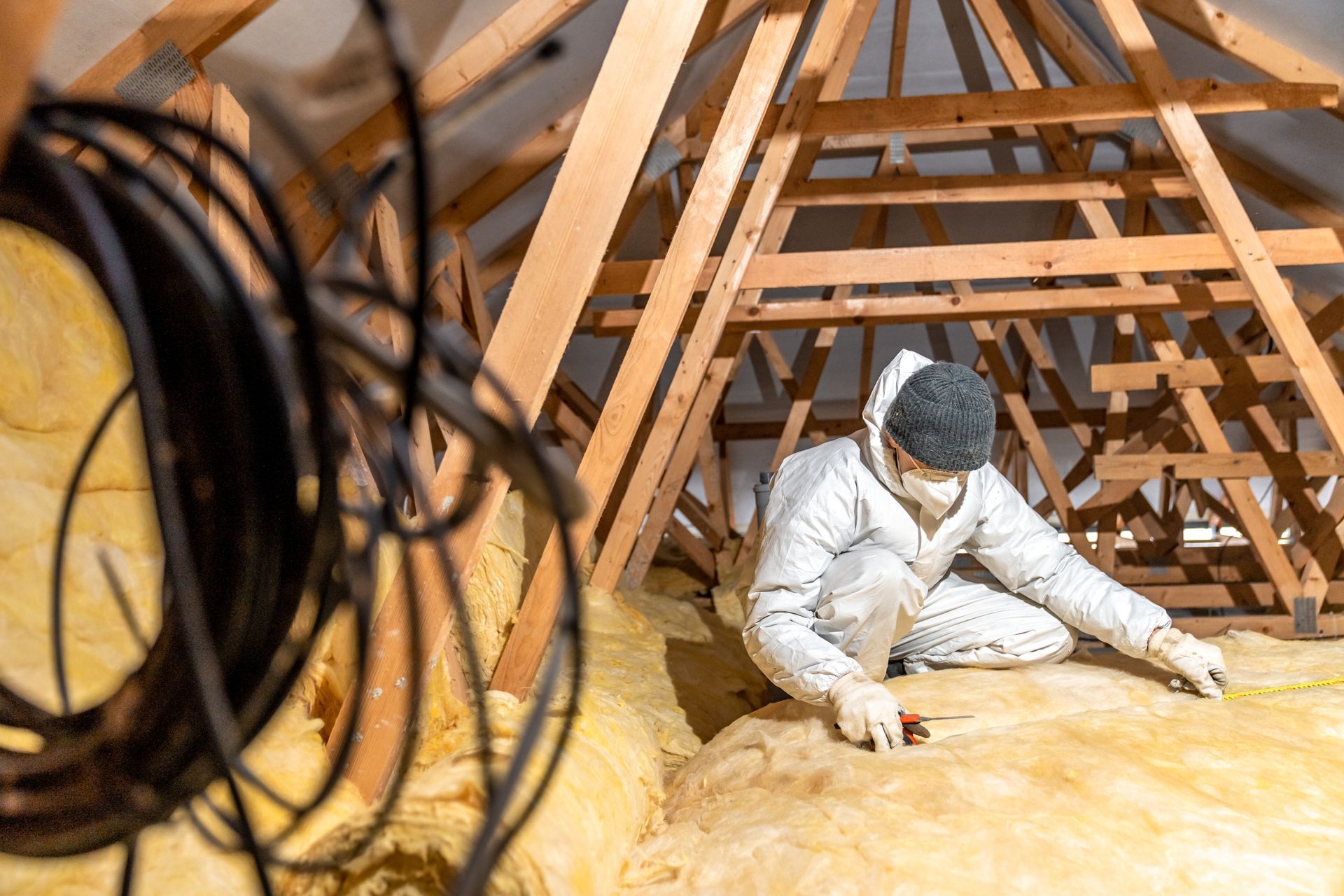
3. Fiberglass Batt Insulation
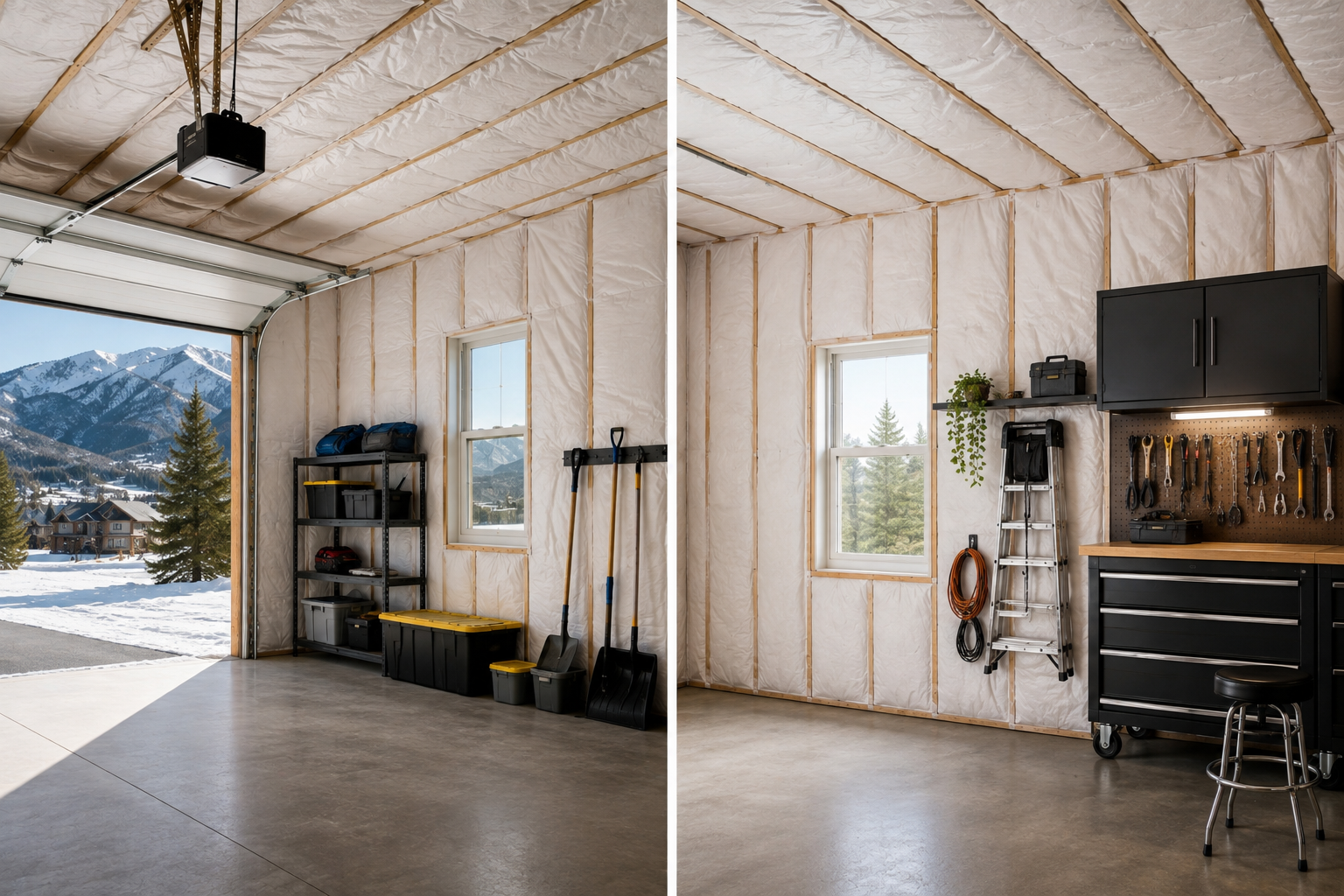
Fiberglass batts are commonly used in finished basements because they are affordable and widely available.
Advantages
- Lower upfront cost
- Easy installation between studs
Limitations
- Does not stop air leaks
- Vulnerable to moisture damage
- Can support mold growth if wet
Fiberglass should never be placed directly against concrete foundation walls without proper moisture protection.
4. Mineral Wool Insulation
Mineral wool offers excellent:
- Fire resistance
- Moisture resistance
- Soundproofing performance
It performs better than fiberglass in damp environments and is often used in basement wall assemblies.
Why Air Sealing Matters in Basements
Insulation alone is not enough. Air sealing is equally important for basement performance.
Common Basement Air Leak Areas
- Rim joists
- Foundation penetrations
- Utility openings
- Window frames
- Sill plates
Spray foam insulation is especially valuable because it combines:
- Thermal insulation
- Air sealing
This helps eliminate drafts and reduce energy loss.
Rim Joist Insulation: A Critical Upgrade
Rim joists are one of the biggest sources of basement heat loss.
Why Rim Joists Matter
- Thin wood framing transfers heat quickly
- Multiple penetrations often exist
- Air leakage is common
Closed-cell spray foam is ideal for rim joists because it:
- Seals gaps completely
- Resists moisture
- Provides high R-values in limited space
Insulating rim joists can dramatically improve basement comfort.
Moisture Control and Vapor Barriers
Moisture management is essential in any basement insulation project.
Problems Caused by Moisture
- Mold growth
- Odors
- Structural damage
- Reduced insulation effectiveness
Effective Moisture Control Methods
- Vapor barriers
- Spray foam insulation
- Foundation waterproofing
- Proper drainage systems
- Dehumidification
Closed-cell spray foam performs especially well because it resists water absorption.
Soundproofing Benefits
Basement insulation also improves sound control.
This is especially helpful for:
- Home theaters
- Music rooms
- Guest suites
- Home offices
Open-cell spray foam and mineral wool insulation provide excellent acoustic performance.
Energy Efficiency Benefits
Proper basement insulation helps:
- Reduce heat loss
- Lower utility bills
- Improve HVAC efficiency
- Stabilize indoor temperatures
According to the U.S. Department of Energy, insulating basement walls can significantly improve overall home efficiency in cold climates like Colorado.
Finished Basement Comfort Improvements
Insulated basements feel:
- Warmer during winter
- Less humid during summer
- More comfortable year-round
Homeowners often notice:
- Fewer drafts
- More consistent temperatures
- Reduced cold floors upstairs
This creates a more livable and enjoyable space.
Recommended R-Values for Colorado Basements
Typical basement insulation recommendations include:
- Basement walls: R-15 to R-19 continuous insulation
- Rim joists: High-density spray foam preferred
Professional contractors can determine the ideal insulation levels for specific homes and building designs.
Common Basement Insulation Mistakes
1. Installing Fiberglass Against Concrete
Fiberglass absorbs moisture and can trap condensation.
2. Ignoring Air Leaks
Unsealed rim joists reduce insulation performance significantly.
3. Skipping Moisture Control
Basement insulation should always include vapor management strategies.
4. Using Inadequate R-Values
Insufficient insulation leads to continued heat loss and discomfort.
5. DIY Installation Errors
Improper installation often leaves gaps and hidden moisture problems.
How Basement Insulation Increases Home Value
Finished basements with proper insulation:
- Improve usable square footage
- Increase buyer appeal
- Reduce energy costs
- Improve indoor comfort
Energy-efficient finished basements are highly attractive in Colorado’s real estate market.
Frequently Asked Questions
What is the best insulation for finished basements?
Closed-cell spray foam is often considered the best option because it provides insulation, air sealing, and moisture resistance.
Can fiberglass insulation be used in basements?
Yes, but only when combined with proper moisture barriers and air sealing.
Does basement insulation reduce energy bills?
Absolutely. Proper insulation helps reduce heat loss and lowers HVAC workload.
Should basement floors be insulated?
In some cases, yes—especially for basement finishing projects over cold concrete slabs.
How long does spray foam insulation last?
Spray foam insulation can last over 30 years without sagging or settling.
Professional Basement Insulation Services in Northern Colorado
A properly insulated basement can become one of the most comfortable and energy-efficient areas of your home. Whether you are finishing a basement for additional living space or upgrading an existing lower level, professional insulation helps protect your investment and improve year-round comfort.
Sprayfoam Solutions LLC provides expert basement insulation services throughout Fort Collins, Greeley, Loveland, Longmont, Windsor, and surrounding Colorado communities. Our team specializes in spray foam insulation, basement wall insulation, rim joist sealing, fiberglass installation, and complete moisture-control solutions designed specifically for Colorado homes.
To schedule a basement insulation assessment or request a project estimate, visit
https://sprayfoamsolutionsllc.com/
or call
(970) 740-7780.